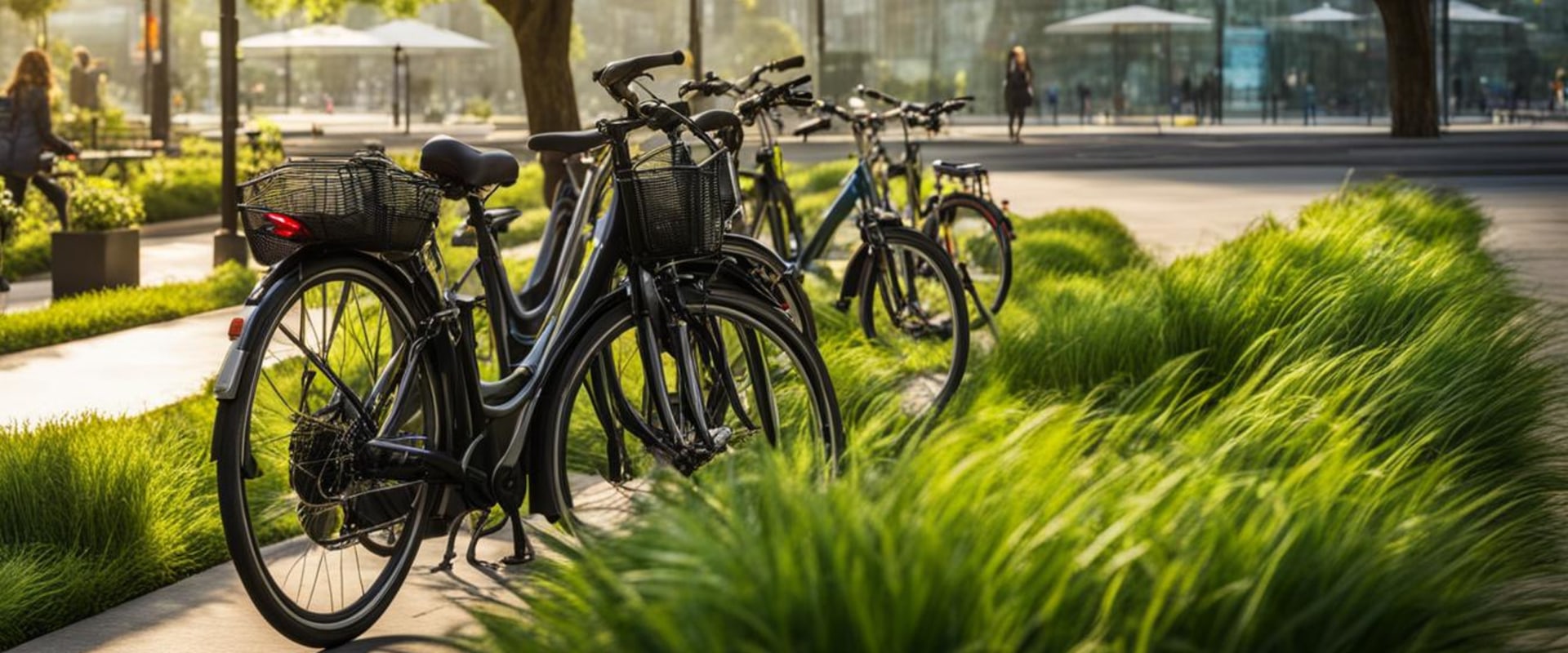
In an era where climate change and environmental degradation are pressing concerns, eco-friendly transportation has emerged as a vital component of sustainable living. Understanding the significance of adopting greener commuting options is essential for individuals looking to reduce their carbon footprints and contribute positively to the planet. By choosing sustainable commuting methods, we not only lessen our impact on the environment but also promote healthier lifestyles and communities. Eco-friendly transportation encompasses a variety of options, from public transit systems and cycling to walking and carpooling. Each of these alternatives offers unique benefits, such as reducing greenhouse gas emissions, decreasing traffic congestion, and improving air quality.
Moreover, embracing these methods can lead to significant cost savings over time, making them not only environmentally responsible but also economically advantageous. As we delve deeper into the various eco-friendly transportation options available for daily commutes, it becomes clear that making small changes in our travel habits can lead to substantial positive outcomes. By prioritizing eco-friendly living, we can foster a culture of sustainability that encourages others to follow suit, ultimately creating a ripple effect that benefits our planet and future generations.
Bicycles: The Greenest Mode of Transport
Choosing to commute by bicycle is one of the most effective ways to embrace eco-friendly living. Not only does cycling reduce your carbon footprint, but it also offers numerous personal benefits that enhance your daily life.Health Benefits of Cycling Regular cycling can significantly improve your physical health. It is an excellent cardiovascular exercise that strengthens your heart, lungs, and muscles.Additionally, cycling helps in maintaining a healthy weight and can reduce the risk of chronic diseases such as diabetes and hypertension. Mental health also sees a boost; the endorphins released during cycling can alleviate stress and anxiety.Cost Savings Commuting by bike can lead to substantial savings. With no need for fuel, parking fees, or public transport fares, the financial benefits quickly add up. Moreover, maintenance costs for bicycles are generally lower than those for cars.
Simple repairs and regular upkeep can keep your bike in excellent condition without breaking the bank.Environmental Impact Bicycles produce zero emissions, making them a sustainable choice for daily commuting. By opting for a bike instead of a car, you contribute to cleaner air and reduced traffic congestion. In fact, studies show that if more people chose cycling over driving, urban areas would experience significant improvements in air quality.Bike-Friendly Cities Many cities are becoming increasingly bike-friendly, implementing dedicated bike lanes and improving infrastructure to support cyclists. Cities like Amsterdam and Copenhagen are prime examples where cycling is integrated into daily life.
These cities not only promote cycling through infrastructure but also encourage community events that celebrate biking culture.Tips for Safe Cycling
- Always wear a helmet to protect yourself in case of falls.
- Use hand signals to indicate turns and stops to other road users.
- Stay visible by wearing bright clothing and using lights during low visibility conditions.
Public Transportation: A Collective Solution
Public transportation is a vital component of eco-friendly living, offering a sustainable alternative to individual car use. By utilizing options such as buses, trains, and subways, commuters can significantly reduce their carbon footprint while contributing to less traffic congestion.Public Transport Options
- Buses: Many cities have extensive bus networks that connect various neighborhoods and commercial areas. Modern buses are increasingly being equipped with eco-friendly technologies, such as hybrid or electric engines, which help minimize emissions.
- Trains: Commuter trains and light rail systems are efficient ways to travel longer distances.
They can carry a large number of passengers at once, making them a more sustainable choice compared to single-occupancy vehicles.
- Subways: In urban areas, subways provide a fast and reliable means of transportation. They operate underground, reducing surface traffic and pollution.
Benefits of Public Transportation
- Reduced Emissions: Public transport systems produce significantly lower greenhouse gas emissions per passenger compared to private vehicles.
- Cost-Effective: Using public transport can save money on fuel, parking, and maintenance costs associated with owning a car.
- Less Traffic Congestion: By encouraging more people to use public transport, cities can alleviate traffic jams, leading to shorter travel times for everyone.
Practical Tips for Using Public Transport Effectively
- Plan Your Route: Use apps or websites to find the best routes and schedules for your commute.
- Be Mindful of Peak Hours: Traveling during off-peak times can make your journey more comfortable and efficient.
- Stay Informed: Keep an eye on service alerts or changes in schedules to avoid delays.
Electric Vehicles: The Future of Commuting
As the world shifts towards more sustainable practices, electric vehicles (EVs) have emerged as a leading option for eco-friendly commuting. These vehicles not only reduce greenhouse gas emissions but also offer a range of benefits that make them an attractive choice for daily transportation.Benefits of Electric Vehicles
- Environmental Impact: EVs produce zero tailpipe emissions, significantly lowering air pollution levels in urban areas. By choosing an electric vehicle, commuters contribute to cleaner air and a healthier environment.
- Cost Savings: While the initial purchase price of an EV may be higher than that of a traditional gasoline vehicle, the long-term savings on fuel and maintenance can be substantial.
Electricity is generally cheaper than gasoline, and EVs have fewer moving parts, leading to lower maintenance costs.
- Performance: Electric vehicles are known for their quick acceleration and smooth driving experience. Many drivers find that EVs provide a more enjoyable commute compared to conventional vehicles.
Charging Infrastructure
The growth of charging infrastructure is crucial for the widespread adoption of electric vehicles. Many cities are investing in expanding their charging networks, making it easier for commuters to charge their vehicles at home, work, or public charging stations. Here are some key points regarding charging infrastructure:
- Home Charging: Installing a home charging station allows EV owners to charge their vehicles overnight, ensuring they start each day with a full battery.
- Public Charging Stations: The increasing number of public charging stations means that drivers can recharge their vehicles during the day, reducing range anxiety and making long commutes more feasible.
- Fast Charging Options: Many new charging stations offer fast charging capabilities, allowing drivers to recharge their batteries in a fraction of the time it takes with standard chargers.
With their environmental benefits, cost savings, and expanding charging infrastructure, they are poised to play a vital role in the future of eco-friendly transportation.
Walking: The Most Sustainable Option
Walking is not only the most sustainable mode of transportation, but it also offers a myriad of benefits for both individuals and communities. By choosing to walk to work, you contribute to reducing carbon emissions while simultaneously enhancing your personal health.Benefits of Walking to Work
Walking to work can significantly improve your physical and mental well-being. Here are some key benefits:- Improved Physical Health: Regular walking helps maintain a healthy weight, strengthens bones and muscles, and reduces the risk of chronic diseases such as heart disease and diabetes.
- Mental Clarity: Walking can boost your mood and reduce stress levels, leading to increased productivity and creativity throughout the day.
- Cost-Effective: Walking eliminates transportation costs, making it a budget-friendly option for daily commuting.
Pedestrian-Friendly Cities
Urban planning plays a crucial role in promoting walking as a viable commuting option. Cities that prioritize pedestrian-friendly infrastructure often see higher rates of walking among residents.Features that enhance walkability include:
- Wide Sidewalks: Ample space for pedestrians encourages walking and makes it safer.
- Crosswalks and Traffic Calming Measures: Well-marked crosswalks and speed bumps help protect pedestrians from traffic.
- Parks and Green Spaces: Access to parks not only beautifies neighborhoods but also provides pleasant walking routes.
Incorporating Walking into Your Daily Routine
If you're looking to make walking a part of your daily commute, consider these tips:- Plan Your Route: Identify the safest and most enjoyable paths to take.
- Set a Schedule: Allocate specific times for walking, whether it's part of your morning routine or during lunch breaks.
- Use Comfortable Footwear: Invest in good walking shoes to make your commute more enjoyable.
Innovative Solutions: E-Scooters and Bike Shares
As urban areas continue to grow, the need for eco-friendly transportation options becomes increasingly important. Among the most innovative solutions are e-scooters and bike share programs, which provide convenient alternatives for short-distance commuting.E-Scooters for Commuting
E-scooters have surged in popularity as a viable option for daily commutes, especially for those traveling short distances. They offer a quick and efficient way to navigate congested city streets without contributing to traffic or pollution.
Many cities have implemented e-scooter rental services, allowing users to easily access a scooter via a mobile app. This flexibility makes them an attractive choice for individuals looking to reduce their carbon footprint.
Benefits of E-Scooters:
- Convenience: E-scooters can be picked up and dropped off at various locations, making them ideal for last-mile solutions.
- Cost-Effective: Compared to owning a car, using e-scooters can significantly lower transportation costs.
- Environmentally Friendly: E-scooters produce zero emissions, contributing to cleaner air in urban environments.
Bike Share Programs
Bike share programs have also gained traction as an eco-friendly commuting option. These programs allow users to rent bicycles for short periods, making it easy to travel from one point to another without the need for a personal bike. Many cities have established extensive networks of bike-sharing stations, promoting cycling as a sustainable mode of transport.
Advantages of Bike Shares:
- Health Benefits: Cycling is not only good for the environment but also promotes physical fitness.
- Reduced Traffic Congestion: By opting for bikes over cars, commuters help alleviate traffic jams in busy areas.
- Sustainability: Bike shares encourage a culture of sustainability and reduce reliance on fossil fuels.
By incorporating these innovative solutions into daily commutes, individuals can contribute to a more sustainable future while enjoying the convenience they offer.
Challenges and Considerations in Eco-Friendly Commuting
Adopting eco-friendly transportation options can significantly reduce your carbon footprint, but it is not without its challenges. Understanding these barriers is crucial for anyone looking to make a sustainable shift in their daily commute. One of the primary challenges is the availability of infrastructure. In many urban areas, public transportation systems may be underdeveloped or unreliable, making it difficult for commuters to rely on them. Additionally, the lack of bike lanes or safe walking paths can deter individuals from choosing these options. Another significant barrier is cost.While some eco-friendly options like biking or walking are low-cost, others, such as electric vehicles (EVs), can require a substantial initial investment. Furthermore, the cost of maintaining these vehicles and installing necessary charging stations can add to the financial burden. Time constraints also play a critical role in commuting choices. Many people feel that using public transport or biking takes longer than driving a car, leading to a preference for less sustainable options. This perception can be addressed by highlighting the potential time savings associated with avoiding traffic congestion and parking hassles. To overcome these challenges, consider the following solutions:
- Advocate for better infrastructure: Engage with local government to support initiatives that improve public transport and create safe biking and walking paths.
- Explore financial incentives: Research available subsidies or tax credits for purchasing electric vehicles or using public transport.
- Plan your commute: Use apps that provide real-time information on public transport schedules and traffic conditions to optimize your travel time.
FAQs About Eco-Friendly Transportation Options
When considering eco-friendly transportation options, many people have questions about their effectiveness, practicality, and impact.Here are some frequently asked questions that can help clarify these concerns:
What are the most common eco-friendly transportation options?
The most popular options include:- Bicycles: A zero-emission mode of transport that promotes physical health.
- Public Transit: Buses and trains reduce the number of individual vehicles on the road, lowering overall emissions.
- Carpooling: Sharing rides with others decreases the number of cars needed for commuting.
- Electric Vehicles (EVs): These produce no tailpipe emissions and can be powered by renewable energy sources.
Are electric vehicles really better for the environment?
While electric vehicles (EVs) do not emit greenhouse gases during operation, their environmental impact depends on how the electricity is generated. If charged using renewable energy, they can significantly reduce carbon footprints. However, it's essential to consider the entire lifecycle of the vehicle, including battery production and disposal.Is biking safe for commuting?
Biking can be safe if proper precautions are taken. Always wear a helmet, follow traffic laws, and use designated bike lanes when available.Many cities are improving infrastructure to make biking safer and more accessible.
What are some misconceptions about public transportation?
- Myth: Public transit is always unreliable.
- Fact: Many urban areas have efficient public transit systems that run on time and are well-maintained.
- Myth: Public transport is only for low-income individuals.
- Fact: People from all walks of life use public transit for its convenience and cost-effectiveness.