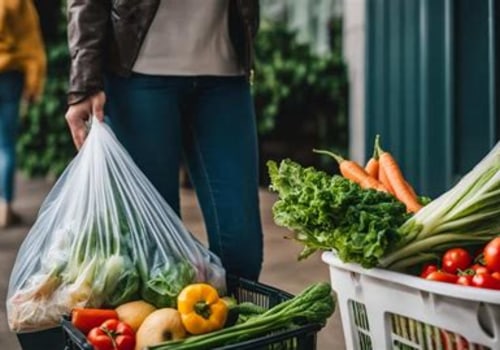
In recent years, the movement towards eco-friendly living has gained significant momentum, with many individuals seeking ways to reduce their environmental footprint. One of the most impactful choices consumers can make is to support locally grown produce. This practice not only fosters a connection between consumers and their food sources but also plays a crucial role in promoting sustainability and protecting our planet. When we choose to buy local, we are directly contributing to a reduction in greenhouse gas emissions associated with long-distance transportation. Produce that travels thousands of miles to reach grocery store shelves requires substantial energy, often resulting in increased carbon emissions.
By opting for fruits and vegetables grown in our own communities, we minimize this impact and support a more sustainable food system. Moreover, local produce is often fresher and more nutrient-dense than items that have been shipped from afar. This freshness not only enhances the flavor of our meals but also encourages healthier eating habits. Additionally, local farmers typically employ more sustainable farming practices, which can lead to improved soil health and biodiversity. As we delve deeper into the environmental benefits of buying locally, it becomes clear that this simple choice can have profound implications for both our health and the health of our planet. is often fresher and more nutrient-dense than items that have been shipped from afar. This freshness not only enhances the flavor of our meals but also encourages healthier eating habits. Additionally, local farmers typically employ more sustainable farming practices, which can lead to improved soil health and biodiversity. As we delve deeper into the environmental benefits of buying locally, it becomes clear that this simple choice can have profound implications for both our health and the health of our planet.
Reduced Carbon Footprint
One of the most significant advantages of buying locally grown produce is the reduction in carbon footprint.When food is sourced from nearby farms, it travels a much shorter distance to reach consumers. This decrease in transportation not only minimizes the use of fossil fuels but also significantly lowers transportation emissions, which are a major contributor to greenhouse gases.Consider the journey of food that is shipped across the country or even internationally. The average meal in the United States travels over 1,500 miles from farm to plate. This extensive travel contributes to high levels of carbon emissions due to the fuel consumed during transportation.
In contrast, locally sourced food often travels less than 100 miles, drastically cutting down on these emissions.Moreover, local farms typically employ more sustainable practices compared to large-scale industrial farms. Many local producers focus on organic farming methods, which not only enhance soil health but also reduce reliance on chemical fertilizers and pesticides that can harm the environment. By supporting these local growers, consumers are indirectly promoting sustainable practices that benefit the ecosystem.Additionally, buying locally can lead to fresher produce, which often means less spoilage and waste. When food is transported over long distances, it may require preservatives and packaging to maintain its freshness, contributing further to environmental degradation.
In contrast, local produce can be harvested at its peak ripeness and delivered quickly, resulting in less waste and a more nutritious product.In summary, choosing locally grown produce is a powerful way to reduce your carbon footprint. By minimizing transportation emissions and supporting sustainable farming practices, consumers can play a vital role in fostering an eco-friendly living environment.
Support for Local Ecosystems
Buying locally grown produce plays a crucial role in supporting local ecosystems and enhancing biodiversity. When consumers choose to purchase food from nearby farms, they contribute to a system that prioritizes the health of the environment over mass production. This practice not only reduces the carbon footprint associated with transporting food over long distances but also fosters a connection between the community and its natural resources.One of the primary benefits of supporting local agriculture is the promotion of sustainable agricultural practices.Local farmers are often more invested in their communities and are likely to employ methods that are less harmful to the environment. These practices may include:
- Crop rotation: This technique helps maintain soil health and reduces pest outbreaks, minimizing the need for chemical pesticides.
- Organic farming: Many local producers opt for organic methods, which avoid synthetic fertilizers and pesticides, thus protecting local wildlife and water sources.
- Diverse planting: By growing a variety of crops, local farms can enhance biodiversity, which is essential for resilient ecosystems.
It creates opportunities for education about sustainable practices and encourages consumers to be more mindful of their impact on the planet. By choosing locally grown produce, individuals can actively participate in a movement that values ecological balance and sustainability.
Seasonal Eating and Its Environmental Advantages
Eating seasonally is not just a trend; it’s a powerful way to support local food systems and promote eco-friendly living. When you choose to consume fruits and vegetables that are in season, you significantly reduce the environmental impact associated with food production and transportation.One of the primary advantages of seasonal eating is the reduction in resource use. Foods that are grown out of season often require extensive resources, including water, fertilizers, and energy for heating greenhouses or transporting them over long distances.By opting for locally grown produce that is in season, you help minimize these resource demands. This not only conserves energy but also reduces greenhouse gas emissions associated with food transport.Moreover, seasonal produce tends to be fresher and more flavorful. When fruits and vegetables are harvested at their peak ripeness, they are not only tastier but also packed with nutrients. This enhances your overall health while supporting local farmers who practice sustainable agriculture.
- Supports Local Economies: Buying seasonal produce from local farmers helps keep money within the community, fostering economic resilience.
- Reduces Carbon Footprint: Seasonal foods require less transportation, which means lower carbon emissions.
- Encourages Biodiversity: Eating a variety of seasonal foods promotes agricultural diversity and helps maintain healthy ecosystems.
By prioritizing local produce, you not only enjoy better flavors but also play a crucial role in protecting our environment.
Minimizing Food Waste Through Local Sourcing
One of the most significant advantages of buying locally grown produce is its potential to minimize food waste. When consumers purchase fruits and vegetables from local farms, they are often selecting items that are harvested at their peak ripeness. This not only enhances the flavor and nutritional value but also reduces the likelihood of spoilage that typically occurs during long-distance transportation.Local sourcing contributes to shorter supply chains, which means that produce spends less time in transit. According to studies, food can travel an average of 1,500 miles before reaching the consumer's plate.This lengthy journey increases the chances of food waste due to spoilage, bruising, and other forms of degradation. By choosing local options, consumers can significantly reduce this waste.Additionally, local farmers often sell their products directly to consumers through farmers' markets or community-supported agriculture (CSA) programs. This direct connection allows for better communication regarding the freshness and availability of produce, enabling consumers to make informed choices about what they purchase. As a result, they are less likely to buy more than they can consume, further reducing waste.
Sustainability Practices
- Seasonal Eating: Local produce is typically seasonal, encouraging consumers to adapt their diets based on what is available.
This practice not only supports local agriculture but also minimizes the environmental impact associated with out-of-season imports.
- Community Engagement: Buying locally fosters a sense of community and encourages sustainable practices among local farmers. When consumers support these farmers, they contribute to a system that prioritizes sustainability over mass production.
- Composting Opportunities: Many local farms offer composting programs for unsold produce or scraps, turning potential waste into valuable resources for soil health.
Economic Benefits of Supporting Local Farmers
Supporting local farmers not only fosters a sense of community but also brings significant economic benefits that can enhance the resilience and sustainability of local economies. When consumers choose to buy locally grown produce, they are directly investing in their community, which can lead to a multitude of positive outcomes.- Job Creation: Local farms often employ residents, providing jobs that contribute to the local economy.
This helps reduce unemployment rates and keeps money circulating within the community.
- Increased Local Revenue: Money spent on local produce tends to stay within the community, as local farmers are more likely to purchase supplies and services from other local businesses. This creates a multiplier effect, boosting overall economic activity.
- Support for Sustainable Practices: Many local farmers engage in sustainable farming practices that not only benefit the environment but also promote long-term economic viability. By supporting these farmers, consumers encourage environmentally friendly methods that can lead to healthier ecosystems.
In times of crisis, such as natural disasters or global supply chain disruptions, communities with strong local food systems are better equipped to withstand challenges.In conclusion, buying locally grown produce is a powerful way to support local farmers and stimulate economic growth. By making conscious choices about where we source our food, we contribute to a thriving community that values sustainability and resilience.
FAQs About Buying Locally Grown Produce
Buying locally grown produce is not only a delicious choice but also an eco-friendly one. Here are some frequently asked questions that can help you understand the environmental benefits of supporting local farmers.- What are the environmental benefits of buying local produce?
Purchasing locally grown food reduces the carbon footprint associated with transportation. When you buy from nearby farms, the distance food travels is significantly shorter, which means less fuel consumption and lower greenhouse gas emissions. - How does local produce support sustainable farming practices?
Local farmers often engage in sustainable practices that are better for the environment.They may use organic methods, crop rotation, and other techniques that preserve soil health and biodiversity, contributing to a healthier ecosystem.
- Can buying local produce help reduce food waste?
Yes! Local produce is typically fresher and has a longer shelf life compared to items that have traveled long distances. This freshness can lead to less spoilage and waste, making it a more sustainable option. - How can I find local produce in my area?
Look for farmers' markets, community-supported agriculture (CSA) programs, or local grocery stores that prioritize sourcing from nearby farms. Many online resources and apps can also help you locate local produce options. - Is buying local produce more expensive?
While some local products may be priced higher than mass-produced items, the benefits often outweigh the costs. Supporting local economies and reducing environmental impact can justify the price difference for many consumers.
Making informed choices is a key aspect of eco-friendly living.
Conclusion: Embracing Eco-Friendly Living Through Local Choices
In conclusion, choosing to buy locally grown produce is a significant step towards eco-friendly living. By supporting local farmers, we not only contribute to the economy but also reduce our carbon footprint. The benefits of this practice extend beyond personal health and wellness; they play a crucial role in fostering a sustainable environment. Throughout this article, we explored several key points that highlight the importance of local produce:- Reduced Transportation Emissions: Locally sourced food travels shorter distances, which means less fuel consumption and lower greenhouse gas emissions.
- Seasonal Eating: Buying local encourages us to eat in harmony with the seasons, promoting biodiversity and reducing the need for energy-intensive farming practices.
- Support for Local Economies: Investing in local agriculture strengthens community ties and ensures that more money stays within the local economy.
- Freshness and Nutritional Value: Local produce is often harvested at its peak ripeness, ensuring better flavor and higher nutritional content compared to items that have traveled long distances.
As consumers, we hold the power to drive change by prioritizing eco-friendly living through our purchasing habits. Ultimately, embracing local choices is not just about food; it’s about fostering a lifestyle that respects our planet and promotes a healthier future for generations to come. Let us commit to making these choices and inspire others to do the same.