In recent years, the proliferation of single-use plastics has become a pressing environmental concern. These items, designed for one-time use, contribute significantly to the growing problem of plastic pollution. From water bottles to shopping bags, these products often end up in landfills or, worse, in our oceans, where they can take hundreds of years to decompose. The impact on wildlife is devastating; marine animals often mistake plastic for food, leading to injury or death.
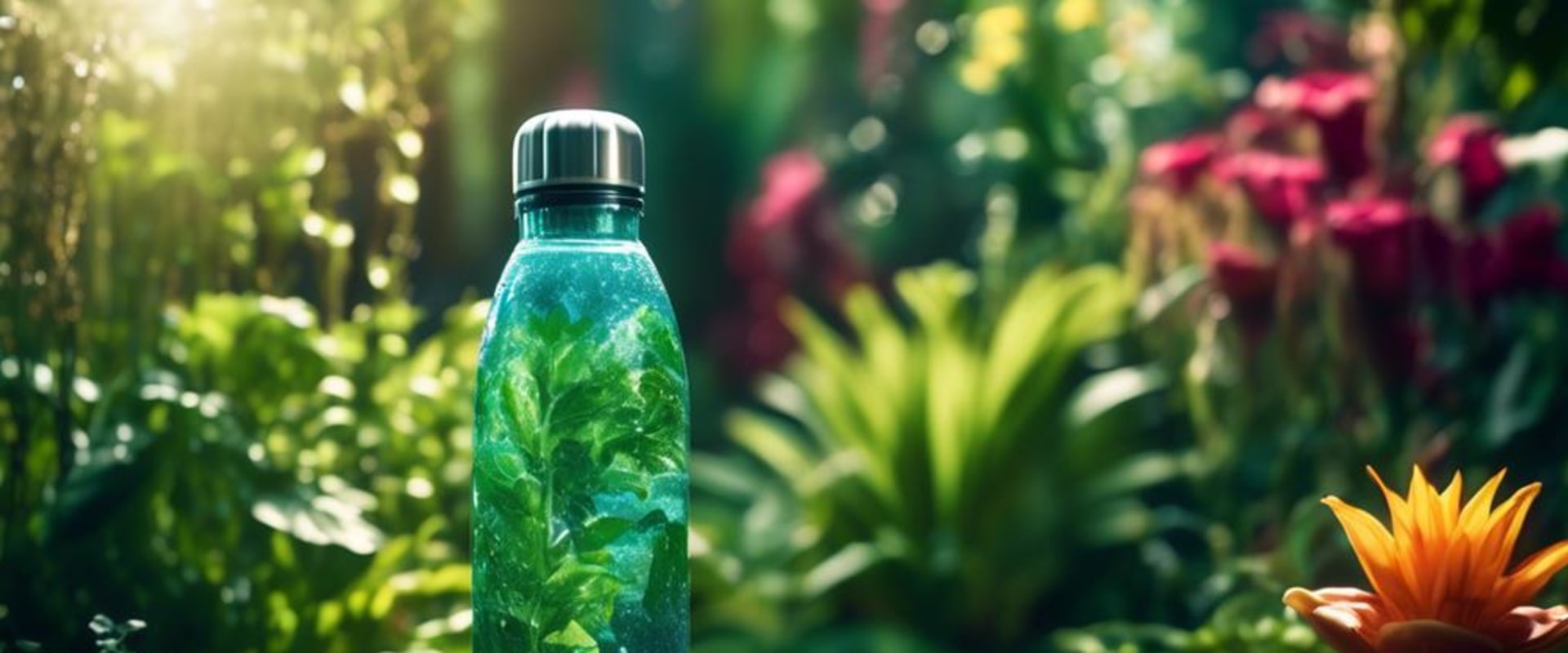
Furthermore, as plastics break down into microplastics, they infiltrate our ecosystems and food chains, posing risks not only to wildlife but also to human health. The environmental footprint of single-use plastics extends beyond their physical presence. The production process itself is resource-intensive, requiring vast amounts of fossil fuels and water. This contributes to greenhouse gas emissions and exacerbates climate change. As awareness grows about the detrimental effects of plastic waste, it becomes increasingly clear that we must seek alternatives that promote eco-friendly living.One effective solution is the adoption of reusable water bottles.
By choosing to refill rather than discard, individuals can significantly reduce their reliance on single-use plastics. This simple switch not only helps decrease plastic waste but also encourages a more sustainable lifestyle. Understanding the environmental impact of single-use plastics is crucial in motivating change and fostering a culture that values sustainability over convenience.
How Reusable Water Bottles Reduce Plastic Waste
In recent years, the environmental impact of single-use plastics has become a pressing concern. One of the most significant contributors to this issue is the widespread use of plastic water bottles.By switching to reusable water bottles, individuals can play a crucial role in reducing plastic waste and promoting sustainable practices.According to studies, over 1 million plastic bottles are purchased every minute worldwide, and a staggering percentage ends up in landfills or the ocean. This not only harms wildlife but also contributes to the growing problem of microplastics in our ecosystems. By opting for a reusable water bottle, you can help mitigate this crisis in several ways:
- Less Plastic Production: Each reusable bottle replaces hundreds, if not thousands, of single-use bottles over its lifetime. This reduction in demand for new plastic directly decreases the amount of plastic produced.
- Waste Management Efficiency: Reusable bottles contribute to better waste management practices by reducing the volume of waste that needs to be processed.
Less waste means less strain on recycling systems and landfills.
- Encouraging Sustainable Habits: Using a reusable water bottle promotes a culture of sustainability. When individuals make conscious choices about their consumption, it encourages others to follow suit, creating a ripple effect.
The Carbon Footprint of Bottled Water vs.
Reusable BottlesThe environmental impact of bottled water is significant, primarily due to its carbon footprint. The production and distribution of bottled water involve several processes that contribute to greenhouse gas emissions. From the extraction of water to the manufacturing of plastic bottles, each step adds to the overall carbon output.To illustrate, consider the following:
- Extraction and Processing: Water is often sourced from natural springs or municipal supplies, requiring energy for extraction and purification. This process can consume substantial amounts of fossil fuels.
- Manufacturing: The production of plastic bottles is energy-intensive.
It involves the use of petroleum, which not only contributes to carbon emissions but also depletes non-renewable resources.
- Transportation: Once bottled, water must be transported to retailers. This distribution process often involves long-distance trucking, further increasing the carbon footprint associated with bottled water.
- Lower Energy Consumption: Reusable bottles are designed for long-term use, meaning they require far less energy over their lifespan compared to single-use plastic bottles.
- Reduced Waste: By opting for a reusable bottle, individuals help decrease the volume of plastic waste that ends up in landfills and oceans, where it can take hundreds of years to decompose.
- Sustainable Materials: Many reusable bottles are made from eco-friendly materials such as stainless steel or glass, which have a lower environmental impact during production and disposal.
Health Benefits of Using Reusable Water Bottles
Using reusable water bottles not only contributes to environmental sustainability but also offers significant health benefits that are often overlooked.One of the primary concerns with single-use plastic bottles is the presence of harmful chemicals, such as BPA (bisphenol A), which can leach into the water and pose health risks.
Understanding BPA and Its Risks
- BPA is an industrial chemical used in the production of certain plastics and resins.
- Exposure to BPA has been linked to various health issues, including hormonal disruptions, reproductive problems, and increased risk of certain cancers.
- By choosing a BPA-free reusable water bottle, you can significantly reduce your exposure to this harmful chemical.
Additional Health Benefits
- Hydration: Carrying a reusable water bottle encourages regular hydration, which is essential for maintaining overall health.
- Cost-Effective: Investing in a reusable bottle can save you money in the long run by reducing the need to purchase bottled water.
- Customization: Many reusable bottles come with features like insulation, making it easy to enjoy cold or hot beverages without compromising taste or safety.
Choosing the Right Reusable Water Bottle for Eco-Friendly Living
When it comes to eco-friendly living, choosing the right reusable water bottle is crucial. With a plethora of options available, understanding the materials and designs can help you make an informed decision that aligns with your sustainability goals.Materials Comparison
Reusable water bottles come in various materials, each with its own environmental impact:- Stainless Steel: Highly durable and resistant to corrosion, stainless steel bottles are an excellent choice for long-term use.
They are recyclable and do not leach harmful chemicals into your water.
- Borosilicate Glass: This type of glass is known for its resistance to thermal shock, making it a safe option for both hot and cold beverages. Glass is fully recyclable and does not retain flavors or odors.
- BPA-Free Plastic: While plastic bottles are lightweight and often more affordable, it’s essential to choose BPA-free options to avoid harmful chemicals. However, plastic has a shorter lifespan compared to metal or glass.
- Silicone: Flexible and lightweight, silicone bottles are great for travel. They are often collapsible, making them easy to store.
Ensure they are made from food-grade silicone to guarantee safety.
Design Considerations
In addition to material, the design of the bottle plays a significant role in its usability and sustainability:- Insulation: Double-walled insulated bottles keep beverages hot or cold for extended periods, reducing the need for multiple bottles throughout the day.
- Size and Portability: Consider how you plan to use your bottle. A larger capacity may be beneficial for outdoor activities, while a smaller, more portable design might suit daily commutes.
- Lid Type: Look for leak-proof lids and easy-to-clean designs. Some bottles come with built-in straws or wide mouths for easy filling and cleaning.
Incorporating Reusable Water Bottles into Your Daily Routine
Integrating reusable water bottles into your daily routine is a simple yet impactful way to embrace eco-friendly living.Here are some practical tips to help you make this sustainable habit a part of your everyday life:
- Choose the Right Bottle: Select a reusable water bottle that fits your lifestyle. Consider factors like size, material (stainless steel, glass, or BPA-free plastic), and insulation properties. A bottle that keeps your drinks cold or hot can enhance your experience.
- Set Reminders: If you often forget to carry your bottle, set reminders on your phone or place sticky notes in visible areas. This will help you remember to fill it up before heading out.
- Keep It Accessible: Store your reusable water bottle in a convenient location, such as your bag, car, or desk.
The easier it is to access, the more likely you are to use it.
- Make It a Habit: Incorporate filling your bottle into your daily routine. For example, fill it every morning before work or school. Over time, this will become a natural part of your day.
- Encourage Others: Share the benefits of using reusable water bottles with friends and family. When others see you making an effort, they may be inspired to adopt similar eco-friendly habits.
Not only will this practice reduce plastic waste, but it will also promote a culture of sustainability within your community.
FAQs About Reusable Water Bottles and Their Environmental Impact
As more individuals embrace eco-friendly living, questions about the use of reusable water bottles and their environmental impact frequently arise. Here are some common concerns and answers that can help clarify their benefits.1.How do reusable water bottles reduce plastic waste?
Every year, millions of plastic bottles end up in landfills and oceans, contributing to pollution and harming wildlife. By switching to a reusable water bottle, you can significantly decrease the demand for single-use plastics. For instance, if one person uses a reusable bottle instead of buying bottled water, they can prevent approximately 167 plastic bottles from being discarded each year.2.Are reusable water bottles safe to use?
Many people worry about the safety of materials used in reusable water bottles.Most high-quality options are made from stainless steel, glass, or BPA-free plastic, which are safe for daily use. It's essential to choose bottles that are labeled as food-grade and free from harmful chemicals.
3.How do I clean my reusable water bottle?
Maintaining cleanliness is crucial for health. Most reusable water bottles can be easily cleaned with warm soapy water or placed in the dishwasher. Regular cleaning helps prevent bacteria buildup, ensuring that your drinking experience remains safe and pleasant.4.What are the long-term environmental benefits?
The long-term benefits of using a reusable water bottle extend beyond just reducing plastic waste.By minimizing reliance on single-use plastics, we can help conserve natural resources, reduce greenhouse gas emissions associated with plastic production, and promote a culture of sustainability.
5.Can I save money by using a reusable water bottle?
Absolutely! Investing in a reusable water bottle can lead to significant savings over time. Instead of purchasing bottled water regularly, you can refill your bottle at home or at public water stations, which is not only cost-effective but also environmentally responsible.In conclusion, addressing these common questions about reusable water bottles highlights their vital role in promoting eco-friendly living. By making informed choices, we can all contribute to a healthier planet.Conclusion: The Collective Impact of Choosing Reusable Water Bottles
In conclusion, the choice to use reusable water bottles is a significant step towards promoting eco-friendly living and fostering environmental sustainability. Throughout this article, we have explored the myriad ways in which these simple yet effective tools can contribute to a healthier planet.By opting for a reusable water bottle, individuals can:- Reduce plastic waste: Each reusable bottle can replace hundreds, if not thousands, of single-use plastic bottles over its lifetime.
- Conserve resources: The production of plastic bottles consumes vast amounts of energy and natural resources.
Reusable bottles help mitigate this impact.
- Encourage sustainable habits: Using a reusable bottle promotes a culture of sustainability, inspiring others to make eco-conscious choices.
By making this small change in our daily lives, we can collectively drive significant progress towards a cleaner, healthier world for future generations.