Food waste is a pressing issue that affects not only our households but also the environment at large. In the United States alone, approximately 40% of food produced is wasted, which translates to millions of tons of edible food ending up in landfills each year. This staggering statistic highlights the need for awareness and action, especially in the context of eco-friendly living. When food is discarded, it doesn't just disappear; it decomposes and releases harmful greenhouse gases like methane, contributing to climate change and environmental degradation.
Proper hazardous materials disposal is crucial to mitigate these impacts. Understanding the impact of food waste is crucial for anyone looking to adopt a more sustainable lifestyle. The resources used in food production—water, energy, labor—are all squandered when food is thrown away. Moreover, the economic implications are significant; families can save hundreds of dollars annually by reducing their food waste. By recognizing the environmental and financial costs associated with wasted food, we can begin to appreciate the importance of making conscious choices in our kitchens. Reducing food waste is not merely an individual responsibility; it’s a collective effort that can lead to substantial positive change. Proper hazardous materials disposal is crucial to mitigate these impacts. Understanding the impact of food waste is crucial for anyone looking to adopt a more sustainable lifestyle. The resources used in food production—water, energy, labor—are all squandered when food is thrown away. Moreover, the economic implications are significant; families can save hundreds of dollars annually by reducing their food waste. By recognizing the environmental and financial costs associated with wasted food, we can begin to appreciate the importance of making conscious choices in our kitchens. Reducing food waste is not merely an individual responsibility; it’s a collective effort that can lead to substantial positive change.
By implementing simple strategies at home, we can contribute to a more sustainable future while embracing the principles of eco-friendly living. This article will explore practical tips and methods for minimizing food waste, empowering you to make a difference in your household and beyond.
Planning Your Meals Effectively
Effective meal planning is a crucial step in reducing food waste at home. By taking the time to plan your meals, you can ensure that you purchase only what you need and use ingredients efficiently.Start with a Weekly Meal Plan
- Begin by outlining your meals for the week. Consider using a calendar or a meal planning app to visualize your meals.
- Incorporate versatile ingredients that can be used in multiple dishes.
For example, if you buy spinach, plan to use it in salads, smoothies, and omelets.
- Be mindful of expiration dates and prioritize using items that are nearing their end.
Create a Detailed Grocery List
- Once your meal plan is set, create a grocery list based on the ingredients needed for each meal. This helps prevent impulse buys and ensures you only purchase what you will use.
- Organize your list by category (produce, dairy, grains) to make shopping more efficient and reduce the time spent in-store.
Understand Portion Sizes
- One of the biggest contributors to food waste is cooking too much food. Familiarize yourself with appropriate portion sizes for each meal. This can vary based on age, activity level, and dietary needs.
- If you're unsure about portion sizes, consider using measuring cups or a food scale until you get a better sense of how much to prepare.
Remember, every small change counts towards achieving an eco-friendly home!
Smart Shopping Habits
Adopting smart shopping habits is essential for reducing food waste at home. By making informed choices while grocery shopping, you can significantly cut down on the amount of food that goes uneaten.Plan Your Meals
Before heading to the store, take some time to plan your meals for the week. This not only helps you create a focused shopping list but also ensures that you buy only what you need. Consider using a meal planning app or a simple notepad to jot down your ideas.Buy in Bulk Wisely
Buying in bulk can be a great way to save money, but it’s important to do so wisely.Focus on non-perishable items like grains, pasta, and canned goods that have a long shelf life. For perishable items, only buy in bulk if you are confident that you will consume them before they spoil. If you find yourself with excess perishables, consider freezing them for later use.
Understand Expiration Dates
Many consumers misinterpret expiration dates, leading to unnecessary food waste. Familiarize yourself with the different types of dates:- Sell By: This date is meant for retailers and indicates when a product should be sold or removed from shelves.
- Best By: This date suggests when the product will be at its peak quality but is still safe to consume after this date.
- Use By: This is the last date recommended for the use of the product while at peak quality.
However, many items are still safe to eat after this date if stored properly.
Proper Food Storage Techniques
Proper food storage is essential for reducing spoilage and maximizing the lifespan of your groceries. By implementing effective food storage techniques, you can significantly cut down on food waste at home.- Know Your Fridge Zones: Different areas of your refrigerator have varying temperatures. Store items like dairy and eggs in the coldest part, usually near the back, while fruits and vegetables should be kept in designated crisper drawers to maintain optimal humidity levels.
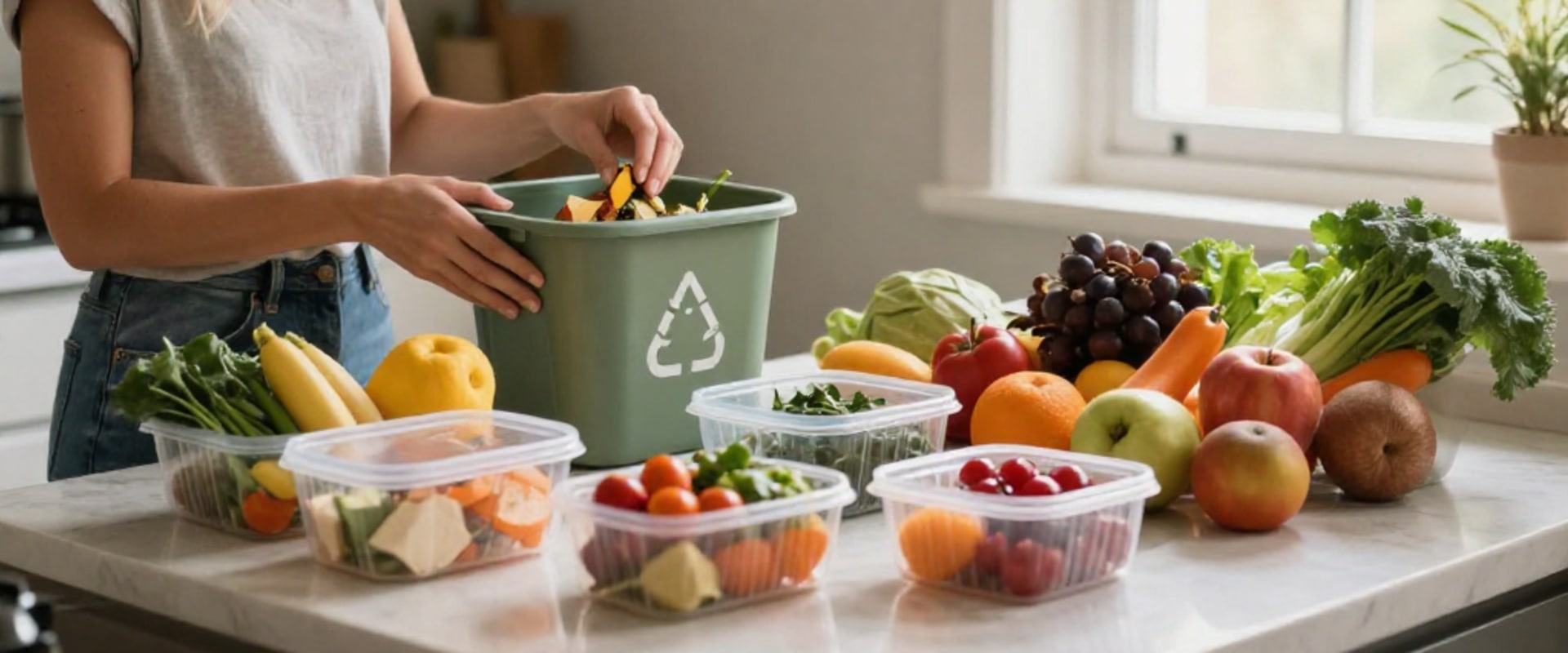
- Use Airtight Containers: Transfer opened packages of snacks, grains, and leftovers into airtight containers.
This helps to keep moisture and air out, preventing spoilage and extending freshness.
- Label and Date: When storing leftovers or bulk items, label containers with the contents and date. This practice not only helps you keep track of what you have but also encourages you to use older items first, reducing the chance of them going bad.
- Freeze Wisely: Freezing is a great way to preserve food. Make sure to use freezer-safe bags or containers, and remove as much air as possible before sealing. Foods like bread, fruits, and cooked meals can last for months in the freezer.
- Store Produce Properly: Some fruits and vegetables emit ethylene gas, which can speed up spoilage in other produce.
Keep ethylene-producing items like apples and bananas separate from sensitive items like leafy greens to prolong their freshness.
Creative Ways to Use Leftovers
Reducing food waste at home can be both fun and rewarding, especially when it comes to using leftovers creatively. Here are some innovative ideas to transform your leftover meals and food scraps into delicious new dishes.1.Leftover Stir-Fry
One of the easiest ways to use up leftover vegetables, meats, and grains is by making a stir-fry. Simply toss your scraps in a hot pan with some oil, add soy sauce or your favorite seasoning, and stir until heated through.This method not only minimizes waste but also allows you to create a unique dish every time.
2.Vegetable Broth from Scraps
Instead of throwing away vegetable peels, stems, and other scraps, save them in a bag in your freezer. When you have enough, simmer them in water with herbs and spices to create a flavorful vegetable broth. This homemade broth can be used in soups, stews, or as a base for sauces.3.Creative Casseroles
Casseroles are a fantastic way to combine various leftovers into one hearty meal. Mix together leftover proteins, vegetables, and grains with a binding agent like eggs or cheese, then bake until golden.This not only reduces waste but also provides a comforting dish that can feed the whole family.
4.Smoothies with Overripe Fruits
If you have overripe fruits that are no longer appealing to eat raw, blend them into smoothies. Combine them with yogurt or milk and add some greens for a nutritious drink that helps reduce food waste while boosting your health.5.Bread Crumbs from Stale Bread
Don’t let stale bread go to waste! Instead, turn it into bread crumbs. Simply pulse the bread in a food processor until it reaches your desired consistency. Use these crumbs for breading proteins or as a topping for casseroles and baked dishes.By incorporating these creative recipes into your cooking routine, you can significantly reduce food waste at home while enjoying delicious meals.Embracing these practices not only supports eco-friendly living but also encourages resourcefulness in the kitchen.
Composting: Turning Waste into Resource
Composting is an effective way to reduce food waste at home while contributing to a more sustainable environment. By transforming food scraps into nutrient-rich compost, you not only minimize landfill contributions but also enhance your garden's health.Benefits of Composting
- Reduces Landfill Waste: Composting diverts organic materials from landfills, where they would otherwise decompose anaerobically, producing harmful greenhouse gases.
- Improves Soil Health: The compost created from food scraps enriches the soil, providing essential nutrients that promote plant growth and improve soil structure.
- Saves Money: By using compost in your garden, you can reduce the need for chemical fertilizers and save on gardening costs.
- Encourages Eco-Friendly Practices: Composting fosters a mindset of sustainability, encouraging individuals and families to be more mindful of their consumption and waste habits.
Getting Started with Composting at Home
Starting a compost bin at home is easier than you might think. Here are some simple steps to begin:
- Choose a Compost Bin: Select a bin that suits your space—this could be a store-bought composter or a DIY option made from pallets or wire mesh.
- Add the Right Materials: Include a mix of green materials (like fruit and vegetable scraps) and brown materials (such as dried leaves and cardboard) to create a balanced compost.
- Maintain Your Compost: Turn the pile regularly to aerate it and speed up the decomposition process. Keep it moist but not soggy.
It's a small change that can lead to substantial environmental benefits.
Educating Your Family on Food Waste Reduction
Reducing food waste at home is not just an individual effort; it requires the involvement of the entire family. By educating your family members about the impact of food waste, you can foster a culture of sustainability that extends beyond the kitchen.Start with Awareness
- Discuss the environmental and economic consequences of food waste. Explain how wasted food contributes to greenhouse gas emissions and affects our planet.
- Share statistics about food waste, such as how much food is thrown away each year and how it could feed those in need.
Engage Children in the Process
- Involve kids in meal planning and grocery shopping. This helps them understand portion sizes and encourages them to think critically about what they really need.
- Make it a fun activity by turning it into a game.
For example, challenge them to come up with recipes that use leftovers or ingredients that are about to expire.
Teach Sustainable Habits
- Encourage your family to practice mindful eating. Teach them to serve smaller portions and go back for seconds if they’re still hungry.
- Implement a "first in, first out" system in your pantry and fridge. This ensures older items are used before newer ones, reducing spoilage.
Lead by Example
Your actions speak louder than words. Show your family how you prioritize reducing food waste by:
- Composting scraps instead of throwing them away.
- Using creative methods to repurpose leftovers into new meals.
Remember, every small effort counts!
Frequently Asked Questions About Reducing Food Waste
Reducing food waste at home is a common concern for many families striving for eco-friendly living. Here are some frequently asked questions that can help guide your efforts:What are some simple tips for reducing food waste?
- Plan your meals: Create a weekly meal plan to avoid buying unnecessary items.
- Make a shopping list: Stick to your list to prevent impulse purchases that may go unused.
- Store food properly: Learn the best ways to store fruits and vegetables to extend their shelf life.
- Use leftovers creatively: Transform leftover ingredients into new meals, such as soups or stir-fries.
How can families involve children in reducing food waste?
- Teach them about food: Explain where food comes from and the importance of not wasting it.
- Involve them in cooking: Let children help prepare meals, which can increase their appreciation for food.
- Create a composting project: Show kids how to compost food scraps, turning waste into valuable soil.
What should I do with expired food?
If food has expired but is still safe to eat, consider using it in recipes or freezing it for later use. If it’s no longer edible, composting is a great way to minimize waste while enriching your garden soil.By addressing these common questions and implementing these tips, families can significantly reduce their food waste and contribute to a more sustainable lifestyle. Remember, every small effort counts towards achieving eco-friendly living.Conclusion: Embracing a Sustainable Lifestyle at Home
In conclusion, adopting a sustainable lifestyle at home is not just a trend; it is a necessary shift towards a healthier planet.By implementing the tips discussed throughout this article, you can significantly reduce your food waste and contribute to a more eco-friendly living environment.Start by being mindful of your purchasing habits. Planning meals and creating shopping lists can help you buy only what you need, minimizing the chances of food spoilage. Additionally, understanding expiration dates and proper food storage techniques can extend the life of your groceries.Another effective strategy is to embrace creativity in the kitchen. Utilize leftovers in new recipes or transform them into delicious meals.
This not only reduces waste but also encourages you to explore new culinary skills.Moreover, consider composting as a practical solution for organic waste. Composting not only diverts food scraps from landfills but also enriches your garden soil, promoting a cycle of sustainability.Finally, share your journey towards eco-friendly living with family and friends. Encourage them to adopt similar practices, creating a ripple effect that can lead to broader community change.By making small adjustments in our daily routines, we can collectively make a significant impact on reducing food waste and fostering a more sustainable future. Embrace these changes today and be part of the solution for a greener tomorrow.