Understanding energy consumption in the home is crucial for anyone looking to embrace eco-friendly living. Every household contributes to energy use, which not only affects monthly expenses but also has a significant impact on the environment. By recognizing how much energy we consume and where it goes, we can make informed decisions that lead to more sustainable living practices. In the United States, residential energy use accounts for a substantial portion of total energy consumption. This includes everything from heating and cooling systems to appliances and lighting.
Understanding home energy use is the first step toward improving energy efficiency. For instance, many homeowners are unaware that simple changes, such as switching to LED bulbs or using smart thermostats, can drastically reduce their energy bills while minimizing their carbon footprint. The significance of reducing energy consumption extends beyond personal savings; it plays a vital role in combating climate change. As we become more aware of our environmental responsibilities, adopting practices that lower our energy usage becomes not just beneficial but essential. This article will explore various simple yet effective strategies to help you reduce your energy consumption at home, paving the way for a more sustainable future.
Assessing Your Current Energy Usage
To effectively reduce energy consumption at home, the first step is to assess your current energy usage.This process involves understanding how much energy your household consumes and identifying areas where you can make improvements. One of the most effective methods for this is conducting an energy audit.An energy audit can be performed by a professional or done DIY-style. During an audit, you will evaluate various aspects of your home, including:
- Heating and cooling systems: Check for efficiency and ensure they are functioning properly.
- Insulation: Inspect walls, attics, and basements for adequate insulation to prevent heat loss.
- Appliances: Review the energy ratings of your appliances and consider replacing older models with more efficient ones.
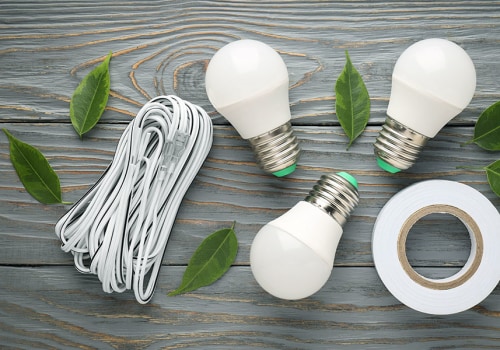
- Lighting: Assess your lighting choices; switching to LED bulbs can significantly reduce energy use.
This information can be invaluable in making informed decisions about your energy habits.Once you have a clear picture of your energy consumption, you can prioritize changes that will have the most significant impact. For instance, if your audit reveals that heating costs are high due to poor insulation, investing in better insulation could lead to substantial savings. Similarly, if you find that certain appliances are energy hogs, replacing them with more efficient models can drastically cut down on your overall consumption.By regularly assessing your energy usage and making adjustments based on your findings, you can take meaningful steps towards eco-friendly living, ultimately leading to lower utility bills and a reduced carbon footprint.
Implementing Energy-Efficient Appliances
Upgrading to energy-efficient appliances is one of the most effective strategies for reducing energy consumption at home. These appliances are designed to use less energy while providing the same level of performance as their traditional counterparts.By making this switch, homeowners can significantly lower their utility bills and contribute to a more sustainable environment.When selecting eco-friendly appliances, look for products that have the ENERGY STAR label. This certification indicates that the appliance meets strict energy efficiency guidelines set by the U.S. Environmental Protection Agency. Here are some common types of energy-efficient appliances to consider:
- Refrigerators: Modern refrigerators consume up to 50% less energy than older models.
- Washing Machines: High-efficiency washers use less water and energy, making laundry day more eco-friendly.
- Dishwashers: Newer models are designed to clean effectively while using less water and electricity.
- Heating and Cooling Systems: Energy-efficient HVAC systems can drastically reduce heating and cooling costs.
The long-term savings from these appliances often outweigh the initial investment, making them a wise choice for any homeowner.To maximize your savings, consider the following tips when upgrading:
- Assess Your Needs: Determine which appliances are most in need of replacement based on age and efficiency.
- Research Models: Compare different brands and models to find the best combination of efficiency and features.
- Check for Rebates: Many local utilities offer rebates for purchasing energy-efficient appliances, further reducing costs.
Smart Home Technology for Energy Savings
In the quest for eco-friendly living, integrating smart home technology can significantly reduce energy consumption while enhancing convenience. These technologies not only streamline daily tasks but also optimize energy use, leading to substantial savings on utility bills.Smart thermostats
are among the most effective tools for managing home energy consumption. Unlike traditional thermostats, smart thermostats learn your schedule and preferences, adjusting the temperature automatically.For instance, they can lower heating or cooling when you’re away from home and resume comfortable settings before you return. This feature alone can lead to a reduction of up to 10-15% on heating and cooling costs.Another valuable aspect of smart home technology is home automation systems. These systems allow you to control various devices remotely through your smartphone or tablet. By automating lighting, heating, and even appliances, you can ensure that energy is used only when necessary.
For example, smart lighting systems can be programmed to turn off when no one is in the room or adjust based on natural light levels.
- Energy Monitoring: Many smart home devices come with energy monitoring features that provide insights into your consumption patterns. This data can help identify areas where you can cut back.
- Smart Plugs: These devices allow you to control power to appliances remotely. You can schedule them to turn off during peak hours or when not in use.
- Smart Appliances: Investing in energy-efficient smart appliances can further reduce consumption. These appliances often have eco-modes that optimize their performance while using less energy.
The integration of smart home technology is a practical step towards achieving a more eco-friendly lifestyle.
Simple Behavioral Changes to Save Energy
Adopting simple behavioral changes in your daily routine can significantly contribute to reducing energy consumption at home. These small adjustments not only help the environment but also lower your utility bills. Here are some effective habits to consider:- Unplug Devices: Many electronics consume energy even when turned off. Unplug chargers, appliances, and devices when not in use to prevent phantom energy loss.
- Use Natural Light: Take advantage of daylight by opening curtains and blinds during the day. This reduces the need for artificial lighting and creates a warm, inviting atmosphere.
- Adjust Thermostat Settings: Lowering your thermostat by just a few degrees in winter and raising it in summer can lead to substantial energy savings.
Consider investing in a programmable thermostat to automate these adjustments.
- Limit Hot Water Use: Shorten showers and fix leaks promptly. Additionally, washing clothes in cold water can save energy compared to using hot water.
- Turn Off Lights: Make it a habit to turn off lights when leaving a room. Consider using timers or motion sensors for outdoor lighting to ensure they are only on when needed.
Enhancing Home Insulation and Sealing Leaks
Proper home insulation and sealing leaks are crucial steps in enhancing your home's energy efficiency.By ensuring that your home is well-insulated, you can maintain a comfortable temperature year-round while significantly reducing your heating and cooling costs.One of the first areas to assess is your attic. A poorly insulated attic can lead to substantial energy loss. Consider adding or upgrading insulation to meet recommended R-values for your region. This will help keep warm air in during winter and cool air in during summer.Next, check for leaks around windows and doors.
Air leaks can account for a significant portion of energy waste in homes. Here are some practical tips to seal those leaks:
- Weatherstripping: Apply weatherstripping around doors and windows to create a tight seal.
- Caulking: Use caulk to fill gaps and cracks in walls, around window frames, and at the base of doors.
- Door Sweeps: Install door sweeps on exterior doors to prevent drafts from entering.
Regular maintenance, including changing filters and sealing ductwork, can enhance efficiency and reduce energy consumption.By focusing on insulation and sealing leaks, you not only improve your home's comfort but also contribute to a more sustainable lifestyle through eco-friendly living. These simple yet effective measures can lead to significant savings on energy bills while reducing your carbon footprint.
Utilizing Renewable Energy Sources
Incorporating renewable energy sources into your home is a powerful way to reduce energy consumption and promote eco-friendly living. Two of the most popular options are solar panels and wind turbines, both of which can significantly lower your utility bills while contributing to a sustainable future.Solar Panels
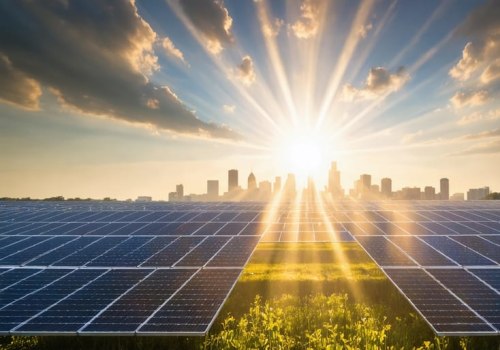
Solar panels harness sunlight and convert it into electricity, making them an excellent choice for homeowners looking to reduce their reliance on fossil fuels. Here are some key benefits:- Cost Savings: By generating your own electricity, you can lower your monthly energy bills.
Many homeowners report savings of 50% or more.
- Tax Incentives: Federal and state governments often provide tax credits and rebates for solar panel installations, making the initial investment more affordable.
- Increased Home Value: Homes equipped with solar energy systems typically see an increase in property value, making it a wise long-term investment.
Wind Energy for Homes
If you live in an area with consistent wind patterns, installing a small wind turbine can be another effective way to generate renewable energy. Consider the following advantages:- Sustainable Energy Source: Wind energy is abundant and renewable, providing a clean alternative to traditional energy sources.
- Energy Independence: By producing your own wind energy, you can become less dependent on the grid and protect yourself from rising energy costs.
- Low Operating Costs: Once installed, wind turbines require minimal maintenance and have low operating costs compared to conventional power sources.
FAQs About Reducing Energy Consumption at Home
Reducing energy consumption at home is a common concern for many individuals looking to adopt eco-friendly living practices. Here are some frequently asked questions that can help guide your efforts:- What are the easiest ways to save energy at home?
Simple actions like turning off lights when not in use, unplugging devices, and using energy-efficient appliances can significantly reduce your energy consumption.Additionally, consider switching to LED bulbs, which use less energy and last longer than traditional incandescent bulbs.
- How can I improve my home's insulation?
Proper insulation is key to maintaining a comfortable temperature in your home without over-relying on heating or cooling systems. Check for drafts around windows and doors, and use weather stripping or caulking to seal any gaps. Adding insulation to your attic and walls can also help. - Is it worth investing in energy-efficient appliances?
Yes! While the initial cost may be higher, energy-efficient appliances often lead to lower utility bills over time. Look for the Energy Star label when purchasing new appliances to ensure they meet strict efficiency guidelines. - What role does smart technology play in energy savings?
Smart thermostats and home automation systems allow you to monitor and control your energy usage more effectively.For example, a smart thermostat can adjust the temperature based on your schedule, ensuring that you’re not heating or cooling an empty house.
- How can I reduce water heating costs?
Water heating can account for a significant portion of your energy bill. To save on these costs, consider lowering the thermostat on your water heater to 120°F, insulating your water heater and pipes, and using cold water for laundry whenever possible.
Conclusion: Embracing Eco-Friendly Living at Home
In conclusion, embracing eco-friendly living at home is not just a trend; it is a necessary shift towards sustainability and energy conservation. By implementing the simple strategies discussed, you can significantly reduce your energy consumption while contributing to a healthier planet. To recap, here are some effective ways to lower your energy usage:- Upgrade to energy-efficient appliances: Investing in appliances with the ENERGY STAR label can lead to substantial savings on your utility bills.
- Utilize natural light: Make the most of daylight by opening curtains and blinds during the day, which reduces the need for artificial lighting.
- Seal and insulate: Properly sealing windows and doors, along with adding insulation, can prevent heat loss in winter and keep your home cool in summer.
- Adopt smart technology: Smart thermostats and energy monitors help you track and manage your energy consumption more effectively.
- Practice mindful consumption: Being conscious of your energy use—like turning off lights when leaving a room or unplugging devices—can make a significant difference.
As we collectively strive for eco-friendly living, we pave the way for future generations to enjoy a cleaner, greener world.