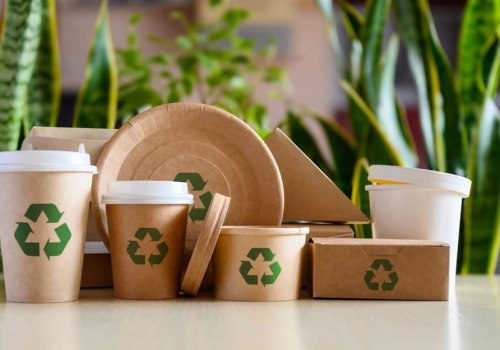
In today's consumer-driven society, food packaging waste has become a pressing issue that significantly impacts our environment. Every year, millions of tons of packaging materials—ranging from plastic to cardboard—end up in landfills, contributing to pollution and harming wildlife. The convenience of pre-packaged foods often overshadows the long-term consequences of these choices, making it essential to understand the implications of our shopping habits. The environmental impact of food packaging waste is profound. Not only does it contribute to the growing problem of landfill overflow, but it also plays a role in greenhouse gas emissions during production and decomposition.
As we strive for eco-friendly living, recognizing the importance of reducing packaging waste is crucial. By making conscious decisions about the products we purchase and how they are packaged, we can significantly lessen our ecological footprint. Moreover, the shift towards sustainable practices is not just beneficial for the planet; it also encourages a healthier lifestyle. By opting for fresh, unpackaged foods and supporting brands that prioritize sustainable packaging solutions, consumers can lead by example. This section will explore various strategies to minimize food packaging waste while grocery shopping, empowering individuals to make informed choices that align with their values and contribute to a more sustainable future.
Plan Your Grocery List Wisely
One of the most effective strategies for reducing food packaging waste is to plan your grocery list wisely.By taking the time to create a detailed list before heading to the store, you can minimize impulse purchases that often lead to unnecessary packaging waste. Here are some tips to help you craft an eco-friendly grocery list:
- Assess Your Needs: Start by evaluating what you already have in your pantry and fridge. This helps prevent buying duplicates and reduces the chance of food spoilage.
- Focus on Whole Foods: Prioritize items that come with minimal or no packaging, such as fresh fruits, vegetables, grains, and bulk items. These choices not only reduce waste but also promote healthier eating.
- Plan Meals: Create a meal plan for the week.
This allows you to buy only what you need for specific recipes, reducing the likelihood of purchasing excess items that may end up in the trash.
- Use Reusable Bags: When shopping, bring your own reusable bags. This simple action can significantly cut down on plastic bag usage and encourages a more sustainable shopping experience.
Choose Bulk and Loose Items
One of the most effective ways to reduce food packaging waste while grocery shopping is by choosing bulk and loose items.This approach not only minimizes the amount of plastic and cardboard that ends up in landfills but also offers several other benefits.
Benefits of Bulk Buying
- Cost Savings: Purchasing in bulk often leads to significant savings. Many stores offer discounts for larger quantities, allowing you to save money over time.
- Less Packaging: Bulk items typically come with minimal packaging, which means less waste. For example, buying grains, nuts, or dried fruits from bulk bins can drastically cut down on plastic use.
- Customization: When buying in bulk, you can choose the exact amount you need, reducing the likelihood of food waste at home.
Shopping for Loose Produce
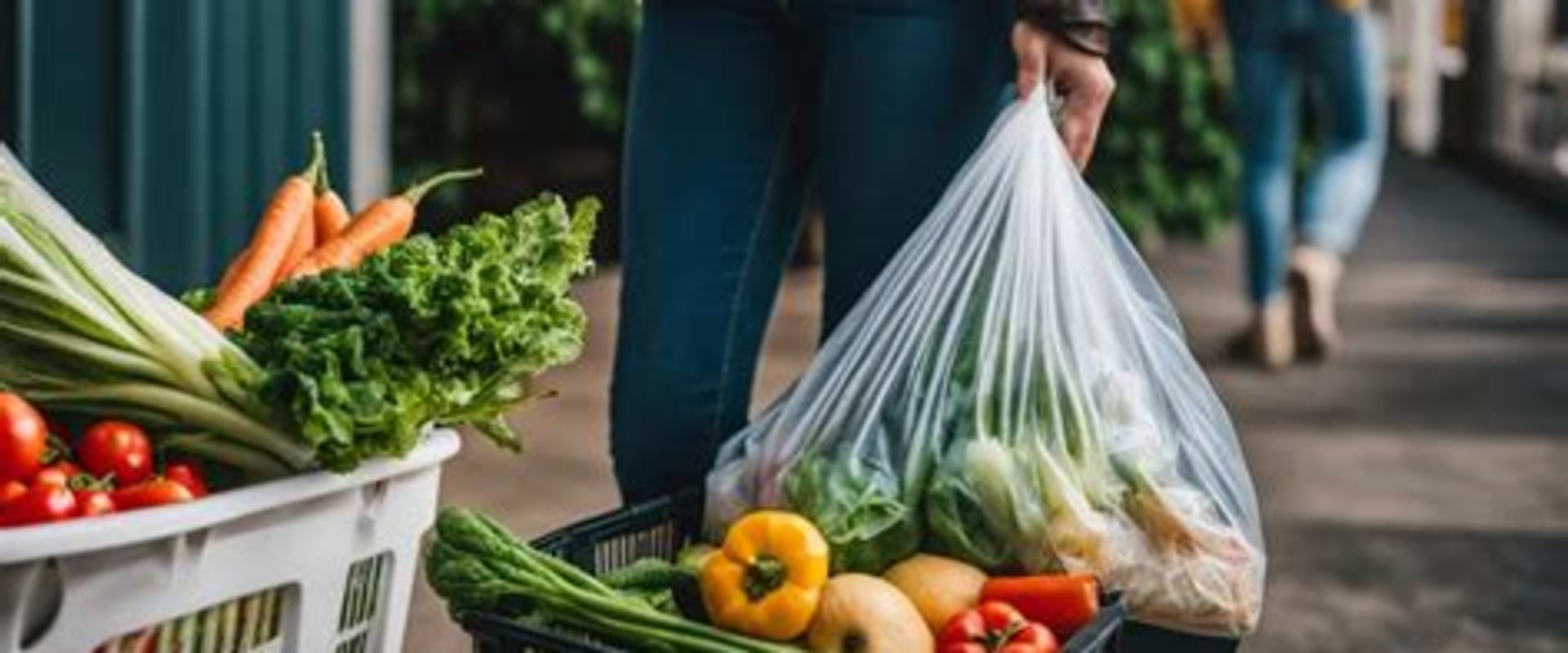
Another excellent way to embrace eco-friendly living is by opting for loose produce instead of pre-packaged fruits and vegetables. Here are some tips to help you make the most of this practice:- Bring Your Own Bags: Always carry reusable produce bags or containers to store your loose items.
This not only helps reduce plastic use but also encourages you to buy only what you need.
- Visit Local Farmers' Markets: These markets often sell fresh produce without packaging. Supporting local farmers not only reduces your carbon footprint but also promotes sustainable practices. These markets often sell fresh produce without packaging. Supporting local farmers not only reduces your carbon footprint but also promotes sustainable practices.
- Choose Seasonal Items: Seasonal fruits and vegetables are often available loose and are fresher, tastier, and more environmentally friendly.
Bring Your Own Reusable Bags and Containers
One of the simplest yet most effective ways to reduce food packaging waste while grocery shopping is to bring your own reusable bags and containers. This practice not only minimizes the reliance on single-use plastics but also promotes a more sustainable lifestyle.Reusable Bags:
Investing in high-quality, durable reusable bags can significantly cut down on plastic waste.
Many grocery stores now offer discounts for customers who bring their own bags, making it a financially savvy choice as well. When selecting reusable bags, look for options made from recycled materials or organic cotton, which are both eco-friendly and sturdy.
Eco-Friendly Containers:
In addition to bags, consider bringing your own containers for bulk items or fresh produce. Many stores have bulk sections where you can fill your own containers with grains, nuts, and other products. This not only reduces packaging waste but also allows you to buy only what you need, minimizing food waste.
- Glass containers are excellent for storing liquids or deli items, as they are reusable and easy to clean.
- Stainless steel containers are perfect for carrying snacks or meals, ensuring they stay fresh without the need for plastic wrap.
- Cloth produce bags can replace plastic bags for fruits and vegetables, allowing you to shop sustainably.
Remember to keep your reusable bags and containers in your car or by the door so that you never forget them when heading out for groceries. Making this small change can lead to a significant positive impact on the environment.
Support Local Farmers and Markets
Supporting local farmers and markets is a powerful way to reduce food packaging waste while also promoting sustainable practices within your community. When you purchase directly from local producers, you often find that they prioritize minimal packaging, using biodegradable or reusable materials instead of plastic.Here are some key benefits of shopping at local farmers' markets:- Freshness and Quality: Local produce is typically harvested at its peak, ensuring better flavor and nutritional value.
- Reduced Transportation Emissions: Buying locally means less distance for your food to travel, which decreases the carbon footprint associated with transportation.
- Support for Local Economy: Your purchases help sustain local farmers and contribute to the economic health of your community.
- Seasonal Eating: Shopping at farmers' markets encourages you to eat in season, which can lead to a more varied and nutritious diet.
This practice not only cuts down on waste but also fosters a closer relationship between consumers and producers.In addition to farmers' markets, consider joining a Community Supported Agriculture (CSA) program. CSAs allow you to buy shares of a farm's harvest in advance, often resulting in weekly deliveries of fresh produce with minimal packaging. This model not only supports local agriculture but also encourages you to try new foods and recipes.By choosing to support local farmers and markets, you actively participate in a movement towards sustainable living, making a positive impact on both the environment and your community. Every small step counts in the journey towards reducing food packaging waste!
Opt for Eco-Friendly Brands and Products
One of the most effective ways to reduce food packaging waste while grocery shopping is to opt for eco-friendly brands and products.Many companies are now prioritizing sustainability, offering products that come in minimal or biodegradable packaging. By choosing these brands, you not only support environmentally responsible practices but also contribute to a larger movement towards reducing waste.When shopping, look for labels that indicate sustainable packaging. This can include:
- Recyclable materials: Packaging made from materials that can be recycled helps keep waste out of landfills.
- Biodegradable options: Products packaged in biodegradable materials break down more easily in the environment.
- Refillable containers: Some brands offer refill stations or reusable containers, which significantly cut down on single-use packaging.
Additionally, consider supporting local businesses that prioritize sustainability; they often use less packaging and have a smaller carbon footprint.Another way to enhance your green shopping choices is by utilizing apps and websites dedicated to rating products based on their environmental impact. These resources can guide you toward brands that align with your values and help you avoid those that contribute significantly to waste.In conclusion, by consciously selecting eco-friendly brands and sustainable products, you play a crucial role in reducing food packaging waste. Every small choice adds up, leading to a more sustainable future for our planet.
Educate Yourself on Recycling Options
Understanding how to recycle food packaging effectively is crucial for anyone looking to embrace eco-friendly living. Many consumers are unaware that not all packaging materials are recyclable, and improper disposal can lead to increased waste in landfills.To make a positive impact, it’s essential to educate yourself on local recycling guidelines.
Know Your Local Recycling Rules
- Check with your local waste management authority to understand what materials are accepted in your area.
- Familiarize yourself with the recycling symbols on packaging, as they indicate whether an item can be recycled.
- Be aware that some items, like certain types of plastic or food-soiled containers, may not be recyclable.
Tips for Recycling Food Packaging
- Clean Before You Recycle: Rinse out containers to remove food residue. Contaminated items can spoil entire batches of recyclables.
- Separate Materials: If a package is made of multiple materials (like a chip bag), separate them if possible, as they may need to be processed differently.
- Avoid Wishcycling: Don’t place items in the recycling bin just because you hope they can be recycled. This can lead to contamination and increased costs for recycling facilities.
Remember, every small effort counts towards a larger goal of reducing waste and living more sustainably.
Frequently Asked Questions About Reducing Food Packaging Waste
Reducing food packaging waste is a common concern for many individuals striving for eco-friendly living. Here are some frequently asked questions that can help clarify how to minimize waste while grocery shopping:What types of packaging should I avoid?
When shopping, try to steer clear of products that come in excessive or non-recyclable packaging. This includes:- Single-use plastics, such as plastic bags and wrappers.
- Styrofoam containers, which are not recyclable in most areas.
- Excessive cardboard, like multi-layered boxes that are difficult to recycle.
How can I identify eco-friendly products?
Look for labels that indicate the product is made from recycled materials or is biodegradable. Additionally, many brands now highlight their commitment to sustainability on their packaging.Researching brands online can also provide insights into their environmental practices.
Are there any tips for reducing waste while shopping?
Absolutely! Here are some practical tips:- Bring your own bags: Use reusable shopping bags to eliminate the need for plastic bags.
- Buy in bulk: Purchase items in bulk to reduce the amount of packaging per unit.
- Choose fresh produce: Opt for loose fruits and vegetables instead of pre-packaged ones.
- Support local markets: Farmers' markets often have less packaging and more sustainable practices.
Conclusion: Embracing Eco-Friendly Grocery Shopping Habits
In conclusion, adopting eco-friendly grocery shopping habits is essential for reducing food packaging waste and promoting a sustainable lifestyle. By implementing the strategies discussed, such as using reusable bags, choosing bulk items, and selecting products with minimal packaging, consumers can significantly lessen their environmental impact. Moreover, supporting local farmers and businesses not only helps reduce packaging waste but also fosters community relationships and encourages sustainable practices within the local economy. When we prioritize eco-friendly living, we contribute to a healthier planet for future generations. It’s important to remember that every small change counts.Here are some key takeaways to keep in mind:
- Plan your shopping trips: Create a list to avoid impulse purchases that often come with excessive packaging.
- Invest in reusable containers: Bring your own containers for bulk items or deli products to minimize single-use plastics.
- Choose fresh over processed: Opt for whole foods that typically have less packaging compared to pre-packaged items.
- Educate yourself: Stay informed about brands and products that prioritize sustainability in their packaging choices.