Plastic packaging waste has become a pervasive issue, significantly impacting our environment and health. Each year, millions of tons of plastic are produced, with a staggering portion ending up in landfills and oceans. This plastic pollution not only harms wildlife but also disrupts ecosystems, leading to long-term environmental degradation. The statistics are alarming: according to recent studies, approximately 8 million metric tons of plastic enter the oceans annually, contributing to the growing problem of marine debris and threatening marine life. The environmental effects of plastic packaging are far-reaching.
As plastics break down into microplastics, they infiltrate our food chain, posing potential health risks to humans and animals alike. These tiny particles can absorb harmful chemicals and toxins, which may then be ingested by fish and other marine organisms, ultimately making their way onto our plates. The implications for public health are concerning, as the long-term effects of consuming microplastics remain largely unknown. Understanding the impact of plastic packaging waste is crucial for fostering a culture of eco-friendly living. By recognizing the scale of this issue, we can begin to explore effective strategies for reducing our reliance on plastic packaging.
This not only benefits the environment but also promotes a healthier lifestyle for ourselves and future generations. As we delve deeper into this topic, we will uncover practical solutions that can help mitigate the effects of plastic waste and encourage sustainable practices.
Embracing Reusable Alternatives
In the quest for eco-friendly living, embracing reusable alternatives is a powerful step towards reducing plastic packaging waste. By opting for products designed for multiple uses, we can significantly lessen our environmental impact.Reusable Packaging Options
- Reusable Bags: Ditching single-use plastic bags in favor of durable cloth or canvas bags can make a substantial difference. These bags are not only sturdy but also often foldable, making them easy to carry.
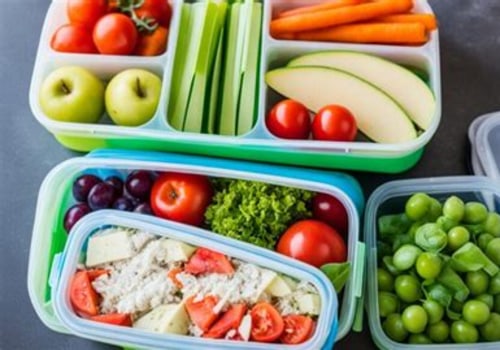
- Glass Containers: For food storage, glass containers are an excellent alternative.
They are free from harmful chemicals found in some plastics and can be used in the microwave and dishwasher.
- Beeswax Wraps: Instead of plastic wrap, consider using beeswax wraps. These wraps are biodegradable and can be reused multiple times, making them a sustainable choice for covering food.
- Stainless Steel or Silicone Straws: Replacing disposable straws with stainless steel or silicone options not only reduces plastic waste but also adds a touch of style to your beverages.
Benefits of Reusable Containers
The benefits of switching to reusable containers extend beyond just reducing waste. They often save money in the long run, as investing in quality reusable products means fewer purchases of single-use items. Additionally, many reusable options are designed to be more durable and efficient, keeping food fresher for longer periods.Eco-Friendly Alternatives to Plastic
Choosing eco-friendly alternatives to plastic packaging is essential for sustainable living.Many companies now offer products made from materials like bamboo, recycled paper, and plant-based plastics that decompose more easily than traditional plastics. By supporting these brands, consumers can drive demand for more sustainable practices in the packaging industry.In conclusion, by embracing reusable alternatives such as bags, containers, and wraps, we can take significant strides towards reducing plastic packaging waste and promoting a healthier planet.
Choosing Bulk Purchases to Minimize Packaging
One of the most effective strategies for reducing plastic packaging waste is to embrace bulk purchases. By buying in larger quantities, consumers can significantly cut down on the amount of packaging materials used, which often contribute to environmental pollution.Benefits of Bulk Buying
- Less Packaging: Bulk items typically come with minimal packaging compared to their individually packaged counterparts. This means fewer plastic wrappers, boxes, and containers end up in landfills.
- Cost Savings: Purchasing in bulk often leads to lower prices per unit, allowing you to save money while also making a positive impact on the environment.
- Reduced Frequency of Shopping: Buying in bulk means fewer trips to the store, which not only saves time but also reduces your carbon footprint associated with transportation.
How to Buy in Bulk
- Identify Your Needs: Start by assessing which products you use frequently and can buy in larger quantities without risking spoilage.
- Choose the Right Store: Look for local co-ops, warehouse clubs, or online retailers that offer bulk options.
Many stores now provide bulk bins for grains, nuts, and other dry goods.
- Bring Your Own Containers: To further minimize waste, consider bringing your own reusable containers or bags when shopping for bulk items. This practice not only reduces plastic use but also encourages others to adopt similar habits.
Supporting Brands with Sustainable Practices
In the quest for eco-friendly living, one of the most impactful actions individuals can take is to support brands that prioritize sustainable practices. By choosing to purchase from companies that utilize sustainable packaging, consumers can significantly reduce their plastic waste footprint.Many brands are now committed to using materials that are either biodegradable, recyclable, or made from recycled content.This shift not only helps in minimizing plastic waste but also encourages other companies to adopt similar practices. Here are some ways to identify and support these eco-conscious brands:
- Research Brand Values: Look for companies that openly communicate their commitment to sustainability. Check their websites for information on their packaging materials and production processes.
- Look for Certifications: Certifications such as Fair Trade, USDA Organic, or Cradle to Cradle can indicate a brand's dedication to sustainable practices.
- Read Reviews: Customer reviews can provide insights into a brand's sustainability efforts and the effectiveness of their eco-friendly packaging.
- Follow Eco-Friendly Blogs and Influencers: Many bloggers and social media influencers focus on sustainable living and often highlight brands that prioritize eco-friendly practices.
By choosing to shop locally, you not only support your community but also contribute to a more sustainable economy.In conclusion, supporting brands with sustainable practices is a powerful way to promote eco-friendly living. By making informed choices about where you spend your money, you can help drive demand for sustainable packaging solutions and encourage more companies to adopt environmentally responsible practices.
DIY Solutions for Eco-Friendly Packaging
Reducing plastic packaging waste can be both fun and rewarding, especially when you embrace DIY eco-friendly packaging solutions. Here are some creative ideas to help you get started:- Reusable Fabric Bags: Instead of using plastic bags, consider making your own reusable fabric bags. You can repurpose old clothes or fabric scraps to create custom-sized bags for groceries or gifts.
Simply cut the fabric into the desired shape, sew the edges, and add a drawstring for easy closure.
- Newspaper Wrapping: Use old newspapers or magazines to wrap gifts. This not only reduces waste but also adds a unique touch to your presents. You can even decorate the newspaper with stamps or drawings to make it more personal.
- Glass Jars: Instead of buying new containers, reuse glass jars for storage or gifting. They are perfect for holding homemade jams, sauces, or even as decorative vases.
Just clean them thoroughly and remove any labels before use.
- Biodegradable Packing Peanuts: If you need cushioning for shipping items, consider making your own biodegradable packing peanuts using cornstarch. Simply mix cornstarch with water, mold it into shapes, and let it dry. These can be used as an eco-friendly alternative to traditional packing materials.
- Seed Paper: Create your own seed paper by blending paper scraps with water and adding seeds. Once dried, this paper can be used for cards or gift tags that can later be planted in the garden.
By incorporating these ideas into your daily life, you contribute to a more sustainable future while enjoying the process of making something unique and useful.Remember, every small step counts in the journey towards eco-friendly living. So gather your materials and start crafting your own packaging solutions today!
Educating Others About Plastic Waste Reduction
Reducing plastic waste is not just an individual effort; it requires a collective movement.Educating others
about the impact of plastic pollution is crucial in fostering a community that prioritizes sustainability. Here are some effective ways to spread awareness and encourage action:- Host Workshops and Seminars: Organize events in your community to discuss the effects of plastic waste and share practical solutions.
Invite local experts to speak on topics such as recycling, composting, and sustainable living.
- Create Informative Materials: Develop brochures, flyers, or digital content that highlight the importance of reducing plastic use. Distribute these materials in schools, community centers, and local businesses.
- Utilize Social Media: Leverage platforms like Facebook, Instagram, and Twitter to share tips on reducing plastic waste. Use engaging visuals and hashtags to reach a broader audience.
- Start a Community Initiative: Form or join local groups focused on reducing plastic waste. Initiatives could include neighborhood clean-up days, recycling drives, or campaigns to encourage businesses to adopt eco-friendly practices.
When you actively practice eco-friendly living, others are more likely to follow suit. Share your journey towards reducing plastic use with friends and family, showcasing the positive changes you’ve made.Engaging with local schools can also be impactful. Consider collaborating with educators to incorporate lessons on environmental stewardship into the curriculum. This not only raises awareness among students but also empowers them to take action within their families and communities.Ultimately, spreading awareness about plastic pollution is about creating a culture of sustainability.
By educating others and fostering community initiatives, we can collectively make significant strides towards reducing plastic packaging waste.
Frequently Asked Questions About Reducing Plastic Waste
Reducing plastic waste is a common concern for many individuals looking to adopt eco-friendly living practices. Here are some frequently asked questions that can help guide your efforts:- What are some simple ways to reduce plastic packaging in my daily life?
- Opt for products with minimal or no packaging, such as bulk items.
- Choose glass, metal, or cardboard alternatives instead of plastic containers.
- Bring your own reusable bags when shopping to avoid plastic bags.
- How can I encourage businesses to reduce their plastic use?
- Support companies that prioritize sustainable packaging.
- Provide feedback to businesses about their packaging choices.
- Participate in local initiatives that promote eco-friendly practices.
- Are there any effective recycling tips for plastic waste?
- Always check local recycling guidelines to ensure proper disposal.
- Clean and dry plastic containers before recycling them.
- Avoid wish-cycling; only recycle items that are accepted in your area.
- What role does education play in reducing plastic waste?
- Educating yourself and others about the impact of plastic waste can inspire change.
- Share information on social media to raise awareness about eco-friendly alternatives.
- Attend workshops or community events focused on sustainability practices.
Conclusion: Taking Action Towards a Plastic-Free Future
As we conclude our exploration of ways to reduce plastic packaging waste, it is essential to recognize that every small action contributes to a larger movement towards eco-friendly living. By adopting sustainable practices, we can significantly lessen our environmental impact and pave the way for a healthier planet.Throughout this article, we have discussed various strategies, including:- Choosing reusable alternatives such as cloth bags, glass containers, and stainless steel bottles.
- Supporting brands that prioritize sustainable packaging and transparency in their supply chains.
- Reducing single-use plastics by opting for bulk purchases and products with minimal packaging.
- Educating ourselves and others about the importance of reducing plastic waste and advocating for policy changes.
It is crucial to remember that change starts at the individual level. By making conscious decisions in our daily lives, we can inspire others to follow suit.To take actionable steps towards a plastic-free future, consider implementing the following:
- Create a personal plan: Identify specific areas in your life where you can reduce plastic use and set achievable goals.
- Engage with your community: Participate in local clean-up events or workshops focused on sustainability.
- Share your journey: Use social media platforms to share tips and successes in reducing plastic waste, encouraging others to join the movement.