In our quest for eco-friendly living, it is crucial to understand the significant impact that traditional paper products have on the environment. From the deforestation of vital forests to the energy-intensive processes involved in paper production, the consequences are far-reaching. Each year, millions of trees are cut down to meet the demand for paper, leading to habitat destruction and loss of biodiversity. Furthermore, the production of paper contributes to greenhouse gas emissions, exacerbating climate change and its associated challenges.
Embracing alternatives like sustainable architecture in simple words can help mitigate these effects. As consumers become more aware of these environmental issues, the need for Embracing alternatives like sustainable architecture in simple words can help mitigate these effects. As consumers become more aware of these environmental issues, the need for sustainability in household products has never been more pressing. Traditional paper products, such as paper towels, napkins, and toilet paper, often come from unsustainable sources and are not biodegradable. This results in a significant amount of waste ending up in landfills, where it can take years to decompose. The cycle of consumption and disposal creates a burden on our planet that we can no longer ignore. Transitioning to eco-friendly alternatives is not just a trend; it is a necessary step towards reducing our ecological footprint.
By choosing products made from recycled materials or sustainably sourced fibers, we can help mitigate the negative effects of paper consumption. This shift not only supports responsible forestry practices but also encourages manufacturers to adopt greener methods of production. Understanding the impact of our choices is essential in fostering a more sustainable future for generations to come.
Types of Eco-Friendly Paper Products
When it comes to eco-friendly living, choosing the right paper products can significantly reduce your environmental footprint. Here are some of the most popular types of eco-friendly paper products available today:- Recycled Paper: This is one of the most common sustainable options.
Made from post-consumer waste, recycled paper helps to conserve natural resources and reduce landfill waste. Look for products that contain at least 30% recycled content for maximum impact.
- Bamboo Paper: Bamboo is a fast-growing plant that requires minimal resources to cultivate. Products made from bamboo paper are not only biodegradable but also incredibly strong and durable, making them an excellent alternative to traditional wood-based papers.
- Tree-Free Paper: As the name suggests, tree-free paper is made from alternative fibers such as hemp, cotton, or agricultural waste. These materials are often more sustainable than traditional wood pulp and can be produced with less environmental impact.
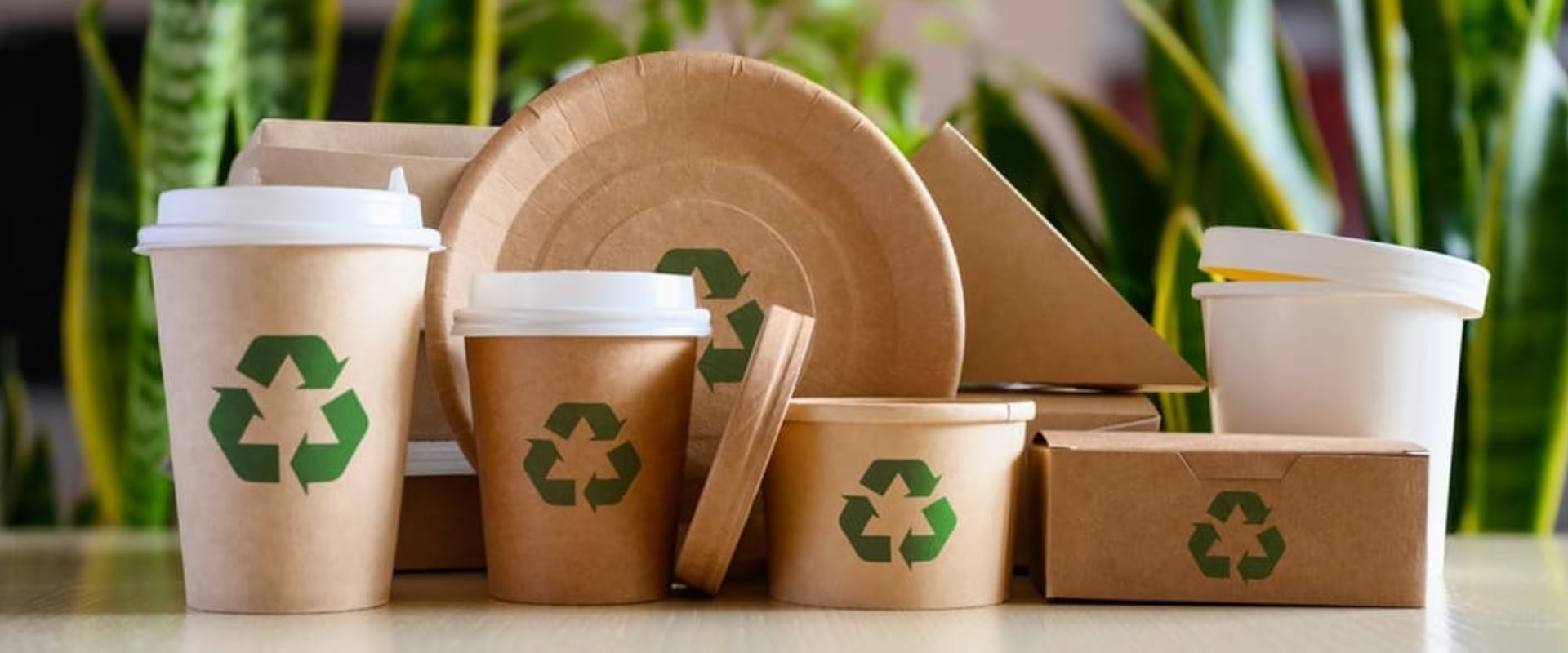
- Compostable Paper Products: Many brands now offer compostable options that break down naturally in composting environments.
These products are ideal for those looking to minimize waste and contribute to a circular economy.
- Unbleached Paper: Unbleached paper is produced without harmful chemicals, making it a safer choice for both the environment and human health. It retains its natural color and is often available in various forms, including napkins and wrapping paper.
Benefits of Using Eco-Friendly Paper Products
Switching to eco-friendly paper products offers numerous benefits that extend beyond just personal convenience. By making this change, you contribute positively to the environment, your health, and even your wallet.Environmental Benefits
One of the most significant advantages of using sustainable paper products is their reduced impact on the environment.Traditional paper production often involves deforestation, which leads to habitat loss and increased carbon emissions. In contrast, eco-friendly options are typically made from recycled materials or sustainably sourced fibers, minimizing the need for new trees and preserving natural ecosystems.
Health Advantages
Many conventional paper products are treated with harmful chemicals that can pose health risks. Eco-friendly paper products, on the other hand, are often free from these toxic substances. This means that when you use items like recycled toilet paper or biodegradable napkins, you reduce your exposure to potentially harmful chemicals, creating a healthier home environment.Economic Benefits
While some may perceive eco-friendly options as more expensive, they can actually lead to long-term savings.Many sustainable paper products are designed for durability and efficiency, meaning you may use less over time. Additionally, as demand for eco-friendly products increases, prices are likely to become more competitive.
- Reduced waste: By choosing recycled or biodegradable options, you help decrease landfill waste.
- Support for sustainable practices: Purchasing eco-friendly products encourages companies to adopt greener practices.
- Improved air quality: Less chemical exposure contributes to better indoor air quality.
How to Choose Eco-Friendly Paper Products for Your Home
Choosing eco-friendly paper products for your home is an essential step towards sustainable living. Here are some practical tips to help you make informed decisions:- Look for Recycled Content: When selecting paper products, check for those made from post-consumer recycled materials.
This reduces the need for virgin resources and minimizes waste.
- Opt for Sustainable Sourcing: Choose products that are certified by organizations like the Forest Stewardship Council (FSC). This ensures that the paper is sourced from responsibly managed forests.
- Avoid Bleached Products: Many paper products are bleached using harmful chemicals. Look for unbleached or chlorine-free options to reduce environmental impact.
- Consider Biodegradability: Select paper items that are biodegradable, which means they can break down naturally without harming the environment.
- Evaluate Packaging: Pay attention to the packaging of paper products. Opt for brands that use minimal or recyclable packaging materials.
- Product Lifespan: Choose durable products that will last longer, reducing the frequency of replacement and waste.
- Local Production: Support local manufacturers to decrease transportation emissions and promote community sustainability.
- Multi-Functionality: Look for products that serve multiple purposes, which can help reduce the overall number of items you need in your home.
DIY Eco-Friendly Paper Products: A Sustainable Approach
Creating DIY eco-friendly paper products is not only a fun and creative endeavor but also a significant step towards sustainable living.By using materials you already have at home, you can reduce waste and contribute to a healthier planet. Here are some ideas to get you started:
- Homemade Recycled Paper: Gather used paper, such as old newspapers or scrap paper. Tear it into small pieces and soak it in water for a few hours. Blend the mixture until it becomes a pulp, then spread it onto a fine mesh screen to dry.
Once dried, you’ll have your own recycled paper ready for crafting!
- Seed Paper: Combine your homemade paper pulp with seeds of your choice (wildflowers work great). Spread the mixture onto a screen and let it dry. Once dry, you can cut it into shapes or cards. When planted, the paper will decompose, allowing the seeds to grow.
- Fabric Gift Wrap: Instead of using traditional wrapping paper, consider using fabric scraps or old t-shirts.
Cut them into squares or rectangles and use them to wrap gifts. This not only looks unique but can also be reused multiple times.
- Paper Mache Projects: Use old newspapers to create paper mache crafts. Mix flour and water to create a paste, then layer strips of newspaper over a mold (like a balloon) to create bowls, masks, or sculptures. Once dry, paint and decorate as desired.
Crafting with recycled materials fosters a sense of accomplishment and can be a great activity for families or individuals looking to embrace eco-friendly living. Remember, every small step counts towards making a positive impact on our environment!
Frequently Asked Questions About Eco-Friendly Paper Products
When it comes to eco-friendly paper products, many consumers have questions and misconceptions that can hinder their transition to more sustainable options. Here are some frequently asked questions that can help clarify these doubts:What are eco-friendly paper products made from?
Eco-friendly paper products are typically made from recycled materials, sustainably sourced wood, or alternative fibers such as bamboo and hemp. These materials reduce the environmental impact associated with traditional paper production.Are recycled paper products less durable?
No, this is a common misconception.Many recycled paper products are designed to meet or exceed the durability of their non-recycled counterparts. Advances in technology have improved the strength and quality of recycled papers significantly.
Is all recycled paper eco-friendly?
Not necessarily. While recycled paper is generally more sustainable than virgin paper, it’s important to check for certifications such as FSC (Forest Stewardship Council) or SFI (Sustainable Forestry Initiative) to ensure that the recycling process and sourcing practices are environmentally responsible.Can I compost eco-friendly paper products?
Many eco-friendly paper products, especially those made from natural fibers without harmful coatings, can be composted. However, it’s essential to check the product labels for specific compostability guidelines.How can I make informed choices about paper products?
- Research brands: Look for companies that prioritize sustainability in their production processes.
- Check certifications: Seek out products with recognized eco-labels.
- Consider usage: Evaluate how much paper you actually need and opt for alternatives when possible.
Conclusion: Embracing Eco-Friendly Living Through Paper Choices
In conclusion, making conscious choices about household paper products is a vital step towards eco-friendly living.By opting for sustainable alternatives, we not only reduce our environmental footprint but also contribute to a healthier planet for future generations. Throughout this article, we explored various eco-friendly options that can seamlessly integrate into your daily life.From recycled paper products to bamboo-based items, each choice plays a significant role in minimizing deforestation and conserving natural resources. Additionally, the use of compostable paper products offers a practical solution for reducing waste, as they break down naturally and enrich the soil.Moreover, supporting brands that prioritize sustainability ensures that your purchases align with your values. Many companies are now committed to using responsibly sourced materials and implementing eco-friendly manufacturing processes.
By choosing these products, you are not only making a personal commitment to sustainability but also encouraging the market to shift towards greener practices.As you embrace eco-friendly living, remember that every small change counts. Whether it’s switching to unbleached paper towels, using reusable cloths, or selecting plant-based napkins, these decisions collectively contribute to a more sustainable lifestyle. Let us all take responsibility for our choices and inspire others to do the same.Ultimately, the journey towards sustainability is ongoing, and by prioritizing eco-friendly paper products, we can make a significant impact on our environment. Together, we can foster a culture of sustainability that benefits both our households and the planet.