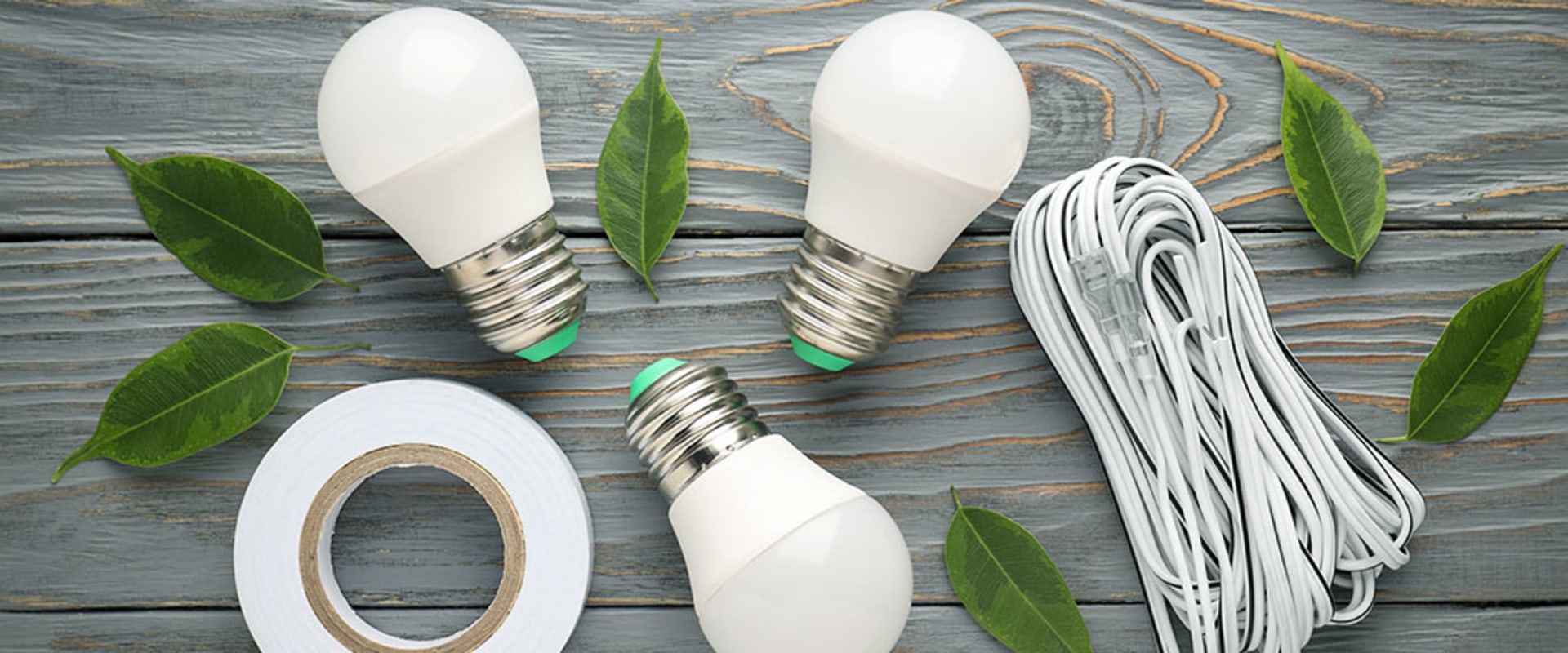
In recent years, LED light bulbs have emerged as a revolutionary alternative to traditional incandescent and fluorescent lighting. But what exactly are LED light bulbs? LED stands for Light Emitting Diode, a technology that produces light more efficiently than conventional bulbs. Unlike incandescent bulbs that generate light through heat, LEDs convert electricity directly into light, resulting in significantly lower energy consumption. The benefits of LED lighting extend beyond just energy savings. These bulbs have a longer lifespan, often lasting up to 25,000 hours or more, compared to the mere 1,000 hours of an incandescent bulb.
This longevity not only reduces the frequency of replacements but also minimizes waste, making LEDs a more sustainable choice for eco-conscious consumers. Additionally, LED bulbs emit less heat, which can contribute to lower cooling costs in warmer months. Understanding how LED bulbs work is key to appreciating their advantages. When electricity passes through the semiconductor material in an LED, it excites the atoms and causes them to emit photons—this is the light we see. This efficient process means that less energy is wasted as heat, making LEDs one of the most energy-efficient lighting options available today.
As we delve deeper into the topic of energy savings and eco-friendly living, it becomes clear that switching to LED lighting is not just a trend; it's a smart choice for both your wallet and the planet.
Energy Efficiency of LED Light Bulbs
When it comes to energy efficiency, LED light bulbs stand out as a superior choice compared to traditional incandescent and compact fluorescent lamps (CFLs). The primary advantage of LEDs lies in their ability to convert a higher percentage of energy into light rather than heat, which is a common drawback of incandescent bulbs.How much energy do LED bulbs save?
On average, LED bulbs use about 75% less energy than incandescent bulbs. For instance, a typical 60-watt incandescent bulb can be replaced with a 10-watt LED bulb, providing the same amount of light while significantly reducing energy consumption. This translates to substantial savings on electricity bills over time.To illustrate the energy efficiency of LED bulbs further, consider the following comparison:- Incandescent Bulbs: Consume 60 watts for 800 lumens of light output.
- CFL Bulbs: Consume about 13-15 watts for the same 800 lumens.
- LED Bulbs: Consume only 8-12 watts for 800 lumens.
Additionally, LEDs have a longer lifespan, lasting up to 25,000 hours compared to just 1,000 hours for incandescent bulbs and around 10,000 hours for CFLs. This longevity means fewer replacements and less waste, making LEDs an even more eco-friendly option.In summary, switching to LED light bulbs is a smart choice for anyone looking to embrace eco-friendly living. By reducing energy consumption and extending bulb life, LEDs contribute significantly to lower energy costs and a smaller carbon footprint.
Longer Lifespan and Cost Savings
One of the most compelling reasons to switch to LED light bulbs is their longer lifespan. Unlike traditional incandescent or fluorescent bulbs, which typically last around 1,000 hours, LED bulbs can last up to 25,000 hours or more.This remarkable longevity means that you will not only replace bulbs less frequently but also enjoy consistent lighting quality over time.When considering the cost savings associated with LED lighting, it’s essential to look beyond the initial purchase price. While LED bulbs may have a higher upfront cost compared to their incandescent counterparts, the long-term benefits far outweigh this initial investment. Here are some key points to consider:
- Reduced Replacement Costs: With a lifespan of up to 25 times longer than traditional bulbs, you will spend significantly less on replacements. This is particularly beneficial in hard-to-reach fixtures where changing a bulb can be inconvenient and costly.
- Lower Energy Bills: LEDs consume up to 80% less energy than incandescent bulbs.
This reduction in energy consumption translates directly into lower electricity bills, providing ongoing savings month after month.
- Less Waste: Fewer burned-out bulbs mean less waste in landfills. By choosing LEDs, you contribute to a more sustainable environment, aligning with the principles of eco-friendly living.
Environmental Impact of Switching to LEDs
Switching to LED light bulbs offers significant environmental benefits that contribute to a more sustainable future.One of the most notable advantages is the reduction in carbon emissions. Traditional incandescent bulbs consume more energy, leading to higher electricity demand, which often relies on fossil fuels. In contrast, LEDs use up to 80% less energy, resulting in a substantial decrease in greenhouse gas emissions.Moreover, the longevity of LED bulbs plays a crucial role in minimizing waste. An average LED bulb lasts approximately 25,000 hours compared to just 1,000 hours for incandescent bulbs.
This extended lifespan means fewer bulbs are disposed of over time, significantly reducing the amount of waste sent to landfills. By choosing LEDs, consumers can help mitigate the environmental impact associated with manufacturing and disposing of lighting products.In addition to reducing carbon footprints and waste, LED lighting also promotes eco-friendly living by offering versatile options that cater to various needs. For instance, many LEDs are designed to be dimmable and come in a range of color temperatures, allowing users to create the desired ambiance while still being energy-efficient.
- Lower Energy Consumption: LEDs consume significantly less power than traditional bulbs.
- Reduced Carbon Footprint: Less energy usage translates to lower carbon emissions.
- Less Waste: Longer lifespan means fewer replacements and less landfill waste.
- Diverse Options: Available in various styles and colors for different applications.
How to Choose the Right LED Bulbs for Your Home
Choosing the right LED bulbs for your home can significantly enhance your energy efficiency while providing the perfect ambiance.Here are some key factors to consider:
Types of LED Light Bulbs
LED bulbs come in various types, each designed for specific applications:- A19 Bulbs: These are the most common household bulbs, ideal for general lighting.
- PAR Bulbs: Perfect for recessed lighting and track lighting, offering focused light.
- Candelabra Bulbs: Great for decorative fixtures, providing a stylish touch.
- Smart LED Bulbs: These can be controlled via smartphone apps, allowing for customizable lighting options.
Brightness and Color Temperature
When selecting LED bulbs, understanding brightness and color temperature is crucial:- Brightness: Measured in lumens, higher lumens mean brighter light. For example, a standard 60-watt incandescent bulb typically emits about 800 lumens. When choosing LED bulbs, look for those that provide similar lumens to ensure adequate lighting.
- Color Temperature: This is measured in Kelvin (K) and affects the mood of your space. A lower Kelvin (2700K-3000K) produces a warm, cozy light, while a higher Kelvin (4000K-5000K) offers a cooler, more energizing light.
Consider the purpose of the room when selecting the color temperature; warmer tones are often preferred in living areas, while cooler tones work well in kitchens and workspaces.
Common Myths About LED Light Bulbs
When considering a switch to LED light bulbs, many people encounter common myths that can create confusion and hesitation. Here, we address some of these misconceptions to help you make an informed decision.Myth 1: LED Bulbs Are Too Expensive
One of the most prevalent myths is that LED bulbs are prohibitively expensive. While the initial cost of LED bulbs may be higher than traditional incandescent or CFL bulbs, they last significantly longer—up to 25,000 hours compared to just 1,000 hours for incandescents.This longevity means fewer replacements and lower overall costs in the long run.
Myth 2: LEDs Emit Harsh Light
Another misconception is that LED lighting produces a harsh, unflattering light. In reality, LED technology has advanced considerably, offering a wide range of color temperatures and brightness levels. You can find LEDs that emit warm, soft light similar to traditional bulbs, making them suitable for any room in your home.Myth 3: LEDs Are Not Dimmable
Many believe that all LED bulbs are incompatible with dimmer switches. However, there are numerous dimmable LED options available on the market today.It’s essential to check the packaging for compatibility with your existing dimmer system to ensure optimal performance.
Myth 4: LEDs Are Bad for the Environment
Some people think that the production of LED bulbs is harmful to the environment. In fact, LEDs are more energy-efficient and have a lower carbon footprint over their lifespan compared to traditional lighting options. Additionally, they contain no hazardous materials like mercury, making them a safer choice for both your home and the planet.Myth 5: All LEDs Are Created Equal
Not all LED bulbs are made the same; quality can vary significantly between brands. It’s important to choose reputable manufacturers that adhere to industry standards for performance and safety.Look for certifications such as ENERGY STAR to ensure you’re getting a reliable product. By debunking these myths about LED lighting, we hope to encourage more individuals to embrace this energy-efficient option as part of their eco-friendly living journey.
FAQs About Energy Savings with LEDs
Switching to LED light bulbs raises many questions, especially regarding energy savings. Here are some frequently asked questions that can help clarify the benefits of making the switch.How much energy do LED bulbs save compared to traditional bulbs?
LED bulbs are known for their energy efficiency. They use up to 80% less energy than incandescent bulbs and about 50% less than compact fluorescent lamps (CFLs). This significant reduction in energy consumption translates into lower electricity bills.What is the average lifespan of an LED bulb?
One of the most appealing features of LED bulbs is their longevity.On average, an LED bulb can last between 15,000 to 50,000 hours, depending on usage and quality. In contrast, incandescent bulbs typically last only about 1,000 hours. This means fewer replacements and even more savings over time.
How much can I save by switching to LEDs?
The savings from switching to LED bulbs can be substantial. For example, if you replace a 60-watt incandescent bulb with a 10-watt LED bulb, you could save approximately $55 over the lifetime of the LED bulb, assuming an average usage of 3 hours per day and an electricity cost of $0.11 per kWh.Multiply this by the number of bulbs in your home, and the savings can add up quickly!
Are there any environmental benefits to using LEDs?
Yes! By using less energy, LED bulbs contribute to a reduction in greenhouse gas emissions. Additionally, they contain no hazardous materials like mercury, which is found in some other types of bulbs. This makes them a safer choice for both your home and the environment.Do LED bulbs work with dimmer switches?
Many modern LED bulbs are compatible with dimmer switches; however, it’s essential to check for compatibility before purchasing. Using a dimmable LED bulb with a compatible dimmer can enhance your energy savings even further by allowing you to adjust brightness according to your needs.In summary, switching to LED light bulbs not only saves energy but also reduces costs and environmental impact.If you have more questions about LEDs or energy savings, feel free to reach out!
Conclusion: Embracing Eco-Friendly Living with LEDs
In conclusion, switching to LED light bulbs is a significant step towards eco-friendly living. Throughout this article, we have explored the numerous benefits that LEDs offer, not only in terms of energy savings but also in their positive impact on the environment. By replacing traditional incandescent and fluorescent bulbs with LEDs, households can reduce their energy consumption by up to 80%. This reduction not only translates to lower electricity bills but also decreases the demand for energy production, which is often reliant on fossil fuels. As a result, making the switch contributes to a decrease in greenhouse gas emissions, helping combat climate change. Moreover, LEDs have a significantly longer lifespan compared to conventional bulbs.With an average lifespan of 15,000 to 25,000 hours, they require less frequent replacements. This longevity means fewer bulbs end up in landfills, further supporting sustainable waste management practices. Additionally, the versatility of LED technology allows for a wide range of applications—from residential lighting to commercial and industrial uses. Their ability to produce various colors and intensities makes them suitable for any setting while enhancing aesthetic appeal. Ultimately, embracing LED technology is not just about saving money; it’s about making a conscious choice for our planet. By choosing eco-friendly lighting solutions, we can all play a part in fostering a more sustainable future.
As consumers become more aware of their environmental impact, the shift towards LEDs represents a practical and effective way to contribute to a healthier planet. In summary, the transition to LED light bulbs is an essential component of eco-friendly living. It empowers individuals and communities to make choices that benefit both their wallets and the environment. Let us all commit to this change and inspire others to follow suit.