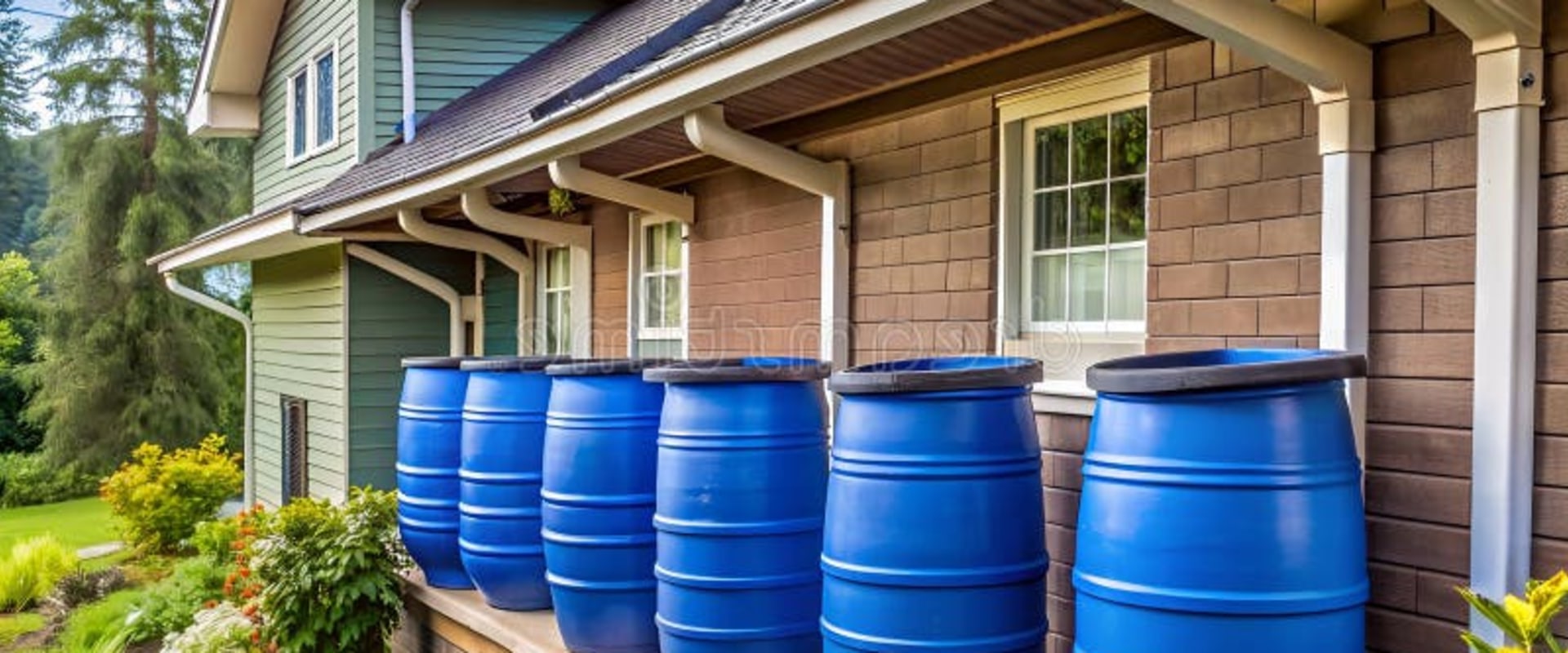
In an era where water scarcity is becoming increasingly prevalent, the importance of sustainable practices cannot be overstated. One effective method of conserving water is through the use of rain barrels. These simple yet ingenious devices collect and store rainwater from rooftops, providing a valuable resource for various household and garden needs. By understanding what a rain barrel is and its purpose, we can appreciate its role in promoting eco-friendly living.A rain barrel is typically a large container, often made from durable plastic or wood, designed to capture runoff from gutters.
When it rains, water flows into the barrel instead of being wasted as it drains away. The primary purpose of rain barrels is to provide an alternative water source for irrigation, reducing reliance on municipal water systems and helping to alleviate the strain on local water supplies. This practice not only conserves water but also minimizes stormwater runoff, which can lead to erosion and pollution in nearby waterways. The benefits of using rain barrels extend beyond mere water conservation. By utilizing collected rainwater for gardening and landscaping, homeowners can significantly lower their water bills while nurturing their plants with natural, untreated water.
Additionally, rain barrels can help mitigate flooding during heavy rains by capturing excess water that would otherwise contribute to drainage issues. In essence, incorporating rain barrels into our daily lives is a practical step towards a more sustainable future, aligning perfectly with the principles of Additionally, rain barrels can help mitigate flooding during heavy rains by capturing excess water that would otherwise contribute to drainage issues. In essence, incorporating rain barrels into our daily lives is a practical step towards a more sustainable future, aligning perfectly with the principles of eco-friendly living.
The Environmental Impact of Water Conservation
Conserving water is not just a personal responsibility; it has profound environmental benefits that contribute to a more sustainable future. By utilizing methods such as rain barrels, individuals can significantly reduce their water consumption, which in turn lessens the strain on local water supplies and ecosystems.One of the most pressing issues related to water usage is the impact on natural habitats. Excessive water extraction from rivers, lakes, and aquifers can lead to habitat destruction and loss of biodiversity.When communities adopt water conservation practices, they help maintain the delicate balance of these ecosystems. This is particularly important in areas prone to drought, where every drop counts.Moreover, conserving water reduces the energy required for water treatment and distribution. The process of treating water for consumption involves significant energy use, which often comes from fossil fuels. By decreasing water demand through conservation efforts like rain barrels, we can also lower our carbon footprint and contribute to eco-friendly living.
- Reduced Water Pollution: Less water usage means less runoff that can carry pollutants into local waterways.
- Lower Energy Consumption: Saving water reduces the energy needed for pumping and treating water.
- Biodiversity Preservation: Conserving water helps protect aquatic ecosystems and the species that depend on them.
It plays a crucial role in promoting sustainability, protecting natural resources, and fostering a healthier planet. By embracing eco-friendly practices like using rain barrels, we can all contribute to a more sustainable future.
How Rain Barrels Work: A Simple Guide
Understanding how rain barrels work is essential for anyone interested in eco-friendly living. These systems are designed to collect and store rainwater, providing a sustainable water source for various uses.How Rain Barrels Collect Water
- Gutter System: Rain barrels are typically connected to your home’s gutter system. When it rains, water flows from the roof into the gutters and down the downspouts.
- Overflow Mechanism: Most rain barrels come equipped with an overflow outlet.
This feature ensures that excess water can escape without causing damage to the barrel or surrounding area.
- Screened Inlet: To prevent debris and insects from entering the barrel, a screened inlet is often installed. This keeps the collected water clean and safe for use.
Storing Rainwater
Once collected, rainwater is stored in the barrel until needed. The capacity of rain barrels can vary, typically ranging from 50 to 100 gallons. This stored water can be used for:
- Irrigation: Watering gardens, lawns, and plants.
- Cleaning: Washing cars or outdoor furniture.
- Flushing Toilets: Some homeowners even use rainwater for toilet flushing, significantly reducing their municipal water usage.
Maintenance Tips
To ensure your rain barrel functions effectively, regular maintenance is key.
Here are some tips:
- Check for clogs in the gutter and downspout regularly.
- Clean the barrel at least once a year to prevent algae growth.
- Inspect the screen for tears or holes to keep pests out.
Benefits of Using a Rain Barrel for Homeowners
Using a rain barrel offers numerous benefits for homeowners looking to embrace eco-friendly living while conserving water. One of the most significant advantages is the potential for cost savings. By collecting rainwater, homeowners can reduce their reliance on municipal water supplies, leading to lower water bills, especially during dry seasons when outdoor watering is essential.Additionally, rain barrels help mitigate the impact of stormwater runoff.When it rains, excess water can overwhelm drainage systems, leading to flooding and erosion. By capturing this water, homeowners not only protect their property but also contribute to a healthier local ecosystem.
- Water Quality: Rainwater is naturally soft and free from the chemicals often found in tap water, making it ideal for watering gardens and plants.
- Plant Health: Using collected rainwater can promote healthier plant growth, as it is free from chlorine and other additives that can harm sensitive plants.
- Environmental Impact: By utilizing rain barrels, homeowners play a crucial role in reducing the demand on local water supplies and minimizing their environmental footprint.
They provide an effective solution for homeowner water conservation, promote environmental sustainability, and support healthier gardens and landscapes. Embracing this simple yet impactful practice can lead to significant benefits for both homeowners and the planet.
Choosing the Right Rain Barrel for Your Needs
When it comes to choosing the right rain barrel, several factors should be considered to ensure it meets your specific needs. Understanding the different types of rain barrels available can help you make an informed decision.- Material: Rain barrels are typically made from plastic, wood, or metal. Plastic barrels are lightweight and resistant to rust, while wooden barrels offer a more aesthetic appeal but may require more maintenance.
Metal barrels are durable but can be prone to rust if not properly coated.
- Size: The size of the rain barrel is crucial. Smaller barrels (around 50 gallons) are suitable for limited space, while larger options (up to 100 gallons or more) are ideal for those with extensive garden areas. Consider your average rainfall and how much water you will need for irrigation.
- Design: Look for features such as a spigot for easy access, a screen to keep debris and insects out, and a sturdy lid. Some barrels come with built-in overflow systems to prevent water from spilling over during heavy rains.
- Portability: If you plan to move your rain barrel around your yard, consider a model with wheels or one that is lightweight.
Additionally, read reviews and compare prices from various retailers to ensure you get the best value for your investment.Ultimately, selecting the right rain barrel involves balancing functionality with aesthetics. A well-chosen rain barrel not only helps conserve water but also enhances your garden's overall look, making it a valuable addition to your eco-friendly living efforts.
Installation and Maintenance Tips for Rain Barrels
Installing a rain barrel is a straightforward process that can significantly contribute to eco-friendly living. To begin, select a suitable location near your downspout where the barrel can collect rainwater efficiently. Ensure the area is level and stable to support the weight of the filled barrel.Installation Steps:
- Gather necessary materials: a rain barrel, a diverter kit (if applicable), and tools like a drill and wrench.
- Prepare the downspout by cutting it to fit the diverter, which will redirect water into the barrel.
- Connect the diverter to the downspout and attach it to the rain barrel’s inlet.
Make sure all connections are secure to prevent leaks.
- Position the rain barrel on a raised platform or stand to facilitate gravity flow when using the water.
- Clean the Barrel: At least once a year, empty and clean your rain barrel to remove debris and algae. Use a mixture of water and vinegar for effective cleaning.
- Check for Leaks: Regularly inspect all connections and seals for leaks. Tighten or replace any faulty components as needed.
- Screen Maintenance: Ensure that the screen at the top of the barrel is free from leaves and insects.
This prevents contamination of your stored water.
- Winter Preparation: In colder climates, drain your rain barrel before winter to prevent freezing and cracking. Store it in a sheltered location if possible.
Common Myths About Rain Barrels Debunked
Despite the growing popularity of rain barrels, several myths and misconceptions persist that may deter individuals from adopting this eco-friendly practice. Understanding the facts can help dispel these myths and encourage more people to embrace rainwater harvesting.- Myth 1: Rainwater is unsafe to use. Many believe that rainwater is contaminated and unsafe for any use. In reality, rainwater is often cleaner than tap water, especially when collected properly.
It can be used for watering plants, washing cars, and even for non-potable household uses.
- Myth 2: Rain barrels attract mosquitoes. While standing water can attract mosquitoes, a properly maintained rain barrel with a secure lid will prevent them from breeding. Additionally, using screens or mesh covers can further reduce the risk.
- Myth 3: Rain barrels are too expensive to install. The initial cost of purchasing and installing a rain barrel may seem high, but many local governments offer rebates or incentives. Over time, the savings on water bills can offset the initial investment.
- Myth 4: Rain barrels are only useful in rainy climates. Even in drier regions, rain barrels can collect significant amounts of water during storms. This water can be stored and used during dry spells, making them beneficial in various climates.
- Myth 5: Using a rain barrel is complicated. Many people think that setting up a rain barrel requires extensive plumbing knowledge.
In reality, most systems are simple to install and require minimal maintenance.
Integrating Rain Barrels into Your Eco-Friendly Lifestyle
Integrating rain barrels into your eco-friendly lifestyle is a practical step towards sustainability that can significantly reduce your water consumption. By collecting and utilizing rainwater, you not only conserve precious resources but also enhance your gardening efforts.1.Choosing the Right Location
To maximize the benefits of your rain barrel, place it under a downspout where it can easily collect runoff from your roof. Ensure that the area is accessible for easy filling of watering cans or connecting hoses for garden use.
2.Selecting the Right Barrel
When choosing a rain barrel, look for one that is made from recycled materials and has a capacity that suits your needs.
A typical barrel holds between 50 to 100 gallons, which can provide ample water for small to medium-sized gardens.
3.Using Rainwater in Gardening
Rainwater is naturally soft and free of the chemicals found in municipal water supplies, making it ideal for watering plants. Here are some tips on how to effectively use rainwater in your garden:
- Watering Schedule: Use rainwater during the early morning or late afternoon to minimize evaporation.
- Soil Health: Incorporate rainwater into your soil management practices to promote healthier plant growth.
- Irrigation Systems: Consider connecting your rain barrel to a drip irrigation system for efficient watering.
4.Additional Eco-Friendly Practices
Integrating rain barrels into your home is just one aspect of an eco-friendly lifestyle. Here are some additional tips:
- Composting: Create a compost bin to recycle kitchen scraps and yard waste, enriching your garden soil.
- Native Plants: Choose native plants that require less water and are more resilient to local climate conditions.
- Energy Efficiency: Implement energy-saving appliances and practices to further reduce your environmental footprint.
Conclusion: The Future of Water Conservation with Rain Barrels
In conclusion, the integration of rain barrels into our daily lives represents a significant step towards sustainable water management and eco-friendly living.By capturing and utilizing rainwater, we not only reduce our dependence on municipal water supplies but also contribute to the preservation of our precious natural resources.Throughout this article, we have explored various benefits of using rain barrels:
- Water Conservation: Rain barrels can significantly decrease the amount of potable water used for irrigation, helping to conserve this vital resource.
- Cost Savings: By using collected rainwater for gardening and other outdoor activities, homeowners can lower their water bills.
- Environmental Impact: Utilizing rainwater helps reduce stormwater runoff, which can lead to erosion and pollution in local waterways.
- Plant Health: Rainwater is often free of the chemicals found in tap water, making it a healthier option for plants.
Together, we can pave the way for a more sustainable future where water conservation is prioritized and celebrated.