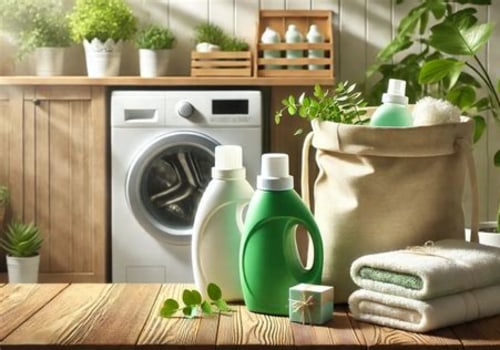
In today's world, where environmental concerns are at the forefront of public consciousness, understanding energy consumption in laundry is crucial for anyone looking to adopt a more eco-friendly living approach. The laundry process, often seen as a mundane household chore, can significantly impact both your energy bills and the planet. From washing to drying, the energy used in these tasks contributes to a larger carbon footprint, making it essential to explore ways to enhance laundry energy efficiency and realize the environmental benefits.Many households overlook the fact that traditional laundry practices can be wasteful. For instance, using hot water for washing clothes not only consumes more energy but also can lead to increased wear and tear on fabrics. In today's world, where environmental concerns are at the forefront of public consciousness, understanding energy consumption in laundry is crucial for anyone looking to adopt a more eco-friendly living approach. The laundry process, often seen as a mundane household chore, can significantly impact both your energy bills and the planet. From washing to drying, the energy used in these tasks contributes to a larger carbon footprint, making it essential to explore ways to enhance laundry energy efficiency and realize the environmental benefits. Many households overlook the fact that traditional laundry practices can be wasteful. For instance, using hot water for washing clothes not only consumes more energy but also can lead to increased wear and tear on fabrics.
By understanding how different factors influence energy use, such as water temperature, load size, and drying methods, you can make informed decisions that align with your eco-friendly goals. This section will delve into practical solutions and eco-friendly laundry tips that can help you reduce your energy consumption while still achieving clean and fresh laundry. By implementing these strategies, you not only contribute to a healthier environment but also enjoy the benefits of lower utility bills and extended lifespan for your clothing. Join us as we explore effective methods to transform your laundry routine into a more sustainable practice.
Choosing Energy-Efficient Appliances
When it comes to reducing energy consumption during laundry, one of the most impactful decisions you can make is selecting energy-efficient appliances. These machines are designed to use less water and electricity, which not only benefits the environment but also lowers your utility bills.Why Choose Energy-Efficient Washing Machines?
Energy-efficient washing machines are typically rated by the Energy Star program, which identifies appliances that meet strict energy efficiency guidelines.
By opting for an Energy Star-rated washing machine, you can save up to 50% more energy compared to standard models. This is particularly important as washing machines account for a significant portion of household energy use.
Features to Look For:
- Load Sensing Technology: This feature automatically adjusts the water level based on the size of the load, ensuring that you’re not wasting water or energy.
- High Spin Speeds: Machines with higher spin speeds extract more water from clothes, reducing drying time and energy consumption in the dryer.
- Multiple Wash Settings: Look for machines that offer various wash cycles tailored for different fabric types and soil levels, allowing you to optimize energy use.
- Front-Loading Models: Generally, front-loading washers are more efficient than top-loading ones, using less water and energy per load.
The Best Washing Machines for Energy Savings:
Some of the top-rated energy-efficient washing machines include brands like LG, Samsung, and Whirlpool. These manufacturers consistently produce models that not only save energy but also provide excellent cleaning performance. When shopping, consider reading reviews and checking the Energy Guide label, which provides information on estimated yearly operating costs.In conclusion, investing in eco-friendly appliances, particularly energy-efficient washing machines, is a crucial step towards sustainable living.
Not only do these appliances help reduce your carbon footprint, but they also contribute to significant savings over time. By making informed choices, you can enjoy cleaner clothes while being kinder to the planet.
Optimizing Laundry Loads
One of the most effective ways to reduce energy consumption while doing laundry is by optimizing laundry loads. This means making sure you are washing full loads whenever possible. Not only does this practice save energy, but it also conserves water, making it a key component of eco-friendly living.When you wash a full load, you maximize the efficiency of your washing machine.Here are some benefits of washing full loads:
- Energy Savings: Washing machines consume a significant amount of energy per cycle. By filling the machine to its capacity, you reduce the number of cycles needed, which directly lowers your energy usage.
- Water Conservation: Each wash cycle uses a set amount of water. By washing full loads, you minimize the total number of cycles and thus decrease your overall water consumption.
- Detergent Efficiency: Using the right amount of detergent for a full load ensures that your clothes are cleaned effectively without wasting detergent on smaller loads.
- Sort Wisely: Group similar items together to create full loads. This not only optimizes space but also ensures that different fabrics are washed under appropriate settings.
- Use High-Efficiency Machines: If possible, invest in high-efficiency washers that are designed to use less water and energy while still providing excellent cleaning performance.
- Avoid Half Loads: Resist the temptation to wash smaller loads.
Instead, wait until you have enough laundry to fill the machine.
Using Cold Water for Washing
One of the simplest yet most effective eco-friendly laundry practices is to wash your clothes in cold water. This method not only conserves energy but also offers several benefits for your garments and the environment.Benefits of Cold Water Washing
- Energy Savings: Heating water accounts for a significant portion of energy consumption in laundry. By switching to cold water, you can reduce your energy usage by up to 90%, leading to lower utility bills and a smaller carbon footprint.
- Fabric Care: Cold water is gentler on fabrics, helping to preserve colors and prevent shrinkage.
This means your clothes will last longer, reducing the need for replacements and further minimizing waste.
- Effective Cleaning: Modern detergents are formulated to work effectively in cold water, breaking down stains and dirt without the need for hot temperatures. This ensures that your laundry comes out clean while still being energy-efficient.
Tips for Effective Cold Washing
- Choose the Right Detergent: Opt for a detergent specifically designed for cold water washing. These products are optimized to perform well at lower temperatures.
- Sort Your Laundry: Just as with hot washing, sorting your laundry by color and fabric type is essential. This helps prevent color bleeding and ensures that each item is cleaned appropriately.
- Use the Right Cycle: Select a cycle that matches the load size and soil level.
Many washing machines have specific settings for cold water washes that optimize cleaning performance.
Drying Techniques to Save Energy
When it comes to reducing energy consumption during laundry, drying techniques play a crucial role. By opting for more energy-efficient drying methods, you can significantly lower your carbon footprint while still enjoying fresh, clean clothes.Air Drying Clothes
One of the most effective ways to save energy is by air drying clothes. This method not only eliminates the need for a dryer but also helps preserve the quality of your garments.Here are some benefits of air drying:
- Cost-effective: Reduces electricity bills since you’re not using a dryer.
- Gentle on fabrics: Helps maintain the integrity of your clothes, preventing wear and tear.
- Environmentally friendly: Reduces greenhouse gas emissions associated with electricity production.
Dryer Alternatives
If air drying isn’t feasible due to weather or space constraints, there are several dryer alternatives that can help save energy:- Dryer balls: These help separate clothes in the dryer, allowing for better airflow and reducing drying time by up to 25%.
- Spin cycle: Use an extra spin cycle in your washing machine to remove more water from clothes before transferring them to the dryer.
- Low-heat settings: If you must use a dryer, opt for low-heat settings or moisture-sensing features that automatically stop the dryer when clothes are dry.
Laundry Scheduling for Efficiency
To effectively reduce energy consumption while doing laundry, timing is crucial. Understanding when to do laundry can help you take advantage of lower energy rates and avoid peak hours when electricity demand is highest.Best Time to Do Laundry
- Off-Peak Hours: Many utility companies offer lower rates during off-peak hours, typically late at night or early in the morning.
Check with your local provider to find out the specific times that qualify as off-peak.
- Weekends: Some households find that weekends may also have lower energy rates, especially if they coincide with off-peak hours. This can be an ideal time to tackle larger loads.
Avoiding Peak Energy Hours
- Weekday Evenings: Generally, weekday evenings are peak times for energy usage as many people return home from work and use appliances simultaneously. Try to avoid doing laundry during these hours.
- Holiday Periods: Be mindful of holidays when many people are home and using appliances. This can lead to increased energy consumption across the board.
Laundry Scheduling Tips
- Create a Schedule: Plan your laundry days in advance.
By designating specific days for laundry, you can ensure that you are consistently using energy during off-peak times.
- Batch Loads: Instead of doing small loads frequently, try to batch your laundry into larger loads. This not only saves water but also maximizes the efficiency of your washing machine.
- Use Timers: If your washing machine has a delay start feature, use it to run your laundry during off-peak hours automatically.
Eco-Friendly Detergents and Additives
When it comes to reducing energy consumption while doing laundry, one of the most impactful changes you can make is to switch to eco-friendly detergents and additives. Traditional laundry products often contain harsh chemicals that not only harm the environment but can also be less effective in cleaning your clothes.Why Choose Eco-Friendly Detergents?
- Biodegradable Ingredients: Eco-friendly detergents are made from natural, biodegradable ingredients that break down more easily in the environment, reducing pollution.
- Less Water Pollution: Many conventional detergents contain phosphates and other harmful substances that can contaminate waterways. Eco-friendly options help protect aquatic life.
- Energy Efficiency: These detergents are often formulated to work effectively in cold water, allowing you to wash your clothes at lower temperatures and save energy.
Natural Laundry Additives
In addition to eco-friendly detergents, consider using natural laundry additives that enhance cleaning power without compromising environmental integrity.
Some popular options include:
- Baking Soda: A natural deodorizer and stain remover that can boost the effectiveness of your detergent.
- White Vinegar: Acts as a fabric softener and helps remove odors while being gentle on fabrics.
- Essential Oils: Adding a few drops of essential oils like lavender or tea tree can provide a pleasant scent and add antibacterial properties.
Sustainable Cleaning Products
When selecting laundry products, look for certifications such as EPA Safer Choice, which indicates that the product meets stringent safety standards for human health and the environment. By choosing sustainable cleaning products, you not only contribute to a healthier planet but also support companies committed to eco-friendly practices.In conclusion, making the switch to eco-friendly detergents and natural additives is a simple yet effective way to reduce your energy consumption during laundry. Not only do these products help protect the environment, but they also ensure that your clothes are cleaned safely and effectively.
Maintaining Your Laundry Appliances for Efficiency
To achieve eco-friendly living and reduce energy consumption while doing laundry, it is essential to focus on the maintenance of your laundry appliances. Regular upkeep not only enhances the efficiency of your washing machine but also prolongs its lifespan, ultimately saving you money and energy.1.Clean the Lint Filter:
For dryers, regularly cleaning the lint filter is crucial.
A clogged filter can restrict airflow, causing the dryer to work harder and consume more energy. Make it a habit to check and clean the lint filter before every load.
2.Inspect Hoses and Connections:
Check the hoses connected to your washing machine for any signs of wear or leaks. Damaged hoses can lead to water waste and inefficient operation. Replace any worn-out hoses promptly to maintain optimal performance.
3.Level Your Washer:
An unlevel washing machine can cause excessive vibration and noise, leading to inefficient operation.
Use a level tool to ensure your washer is properly aligned, which will help it run smoothly and use less energy.
4.Run Full Loads:
Always aim to run full loads in both your washer and dryer. This practice maximizes energy efficiency by reducing the number of cycles needed, thus conserving water and electricity.
5.Regularly Descale Your Appliances:
Hard water can lead to mineral buildup in your washing machine and dryer, affecting their efficiency. Use a descaling solution periodically to remove these deposits and keep your appliances running smoothly.
6.Schedule Professional Maintenance:
Consider having a professional technician inspect your appliances annually. They can identify potential issues before they become significant problems, ensuring that your machines operate at peak efficiency.By implementing these maintenance tips, you can significantly enhance the efficiency of your laundry appliances, contributing to a more sustainable lifestyle while enjoying lower utility bills.
Frequently Asked Questions about Energy Consumption in Laundry
When it comes to reducing energy consumption during laundry, many people have questions about the best practices and tips.Here are some frequently asked questions that can help you make more eco-friendly choices:
What is the most energy-efficient way to do laundry?
The most energy-efficient way to do laundry is to wash full loads in cold water. Using cold water can save a significant amount of energy compared to hot water, as heating water accounts for a large portion of energy use in washing machines. Additionally, consider using a high-efficiency washing machine, which uses less water and energy.How can I reduce drying time?
To reduce drying time and energy consumption, try the following tips:- Use dryer balls: These help separate clothes in the dryer, allowing for better air circulation and faster drying.
- Clean the lint filter: A clean lint filter improves airflow and efficiency.
- Opt for air drying: Whenever possible, hang your clothes to dry outside or use a drying rack indoors.
Are there specific laundry detergents that are more eco-friendly?
Yes, many brands offer eco-friendly laundry detergents that are biodegradable and free from harsh chemicals. Look for products labeled as phosphate-free, non-toxic, and plant-based.These options not only reduce your environmental impact but can also be gentler on your clothes.
Can I save energy by washing clothes less frequently?
Absolutely! Washing clothes less frequently can significantly reduce your overall energy consumption. Consider wearing clothes more than once before washing them, especially items like jeans or sweaters that don’t get dirty quickly. This simple habit can lead to fewer loads of laundry and lower energy bills.By implementing these strategies, you can effectively reduce your laundry's energy consumption while contributing to a more sustainable lifestyle.Conclusion: Embracing Eco-Friendly Laundry Practices
In conclusion, adopting eco-friendly laundry practices is not only beneficial for the environment but also for your wallet. By implementing the strategies discussed, you can significantly reduce your energy consumption and water usage while maintaining clean and fresh laundry. To recap, here are some key points to consider:- Wash in cold water: Most of the energy used in washing clothes comes from heating water.
Switching to cold water can save a substantial amount of energy.
- Full loads only: Always wait until you have a full load before running your washing machine. This maximizes efficiency and minimizes the number of cycles needed.
- Air dry when possible: Utilizing a clothesline or drying rack can drastically cut down on energy use compared to using a dryer.
- Choose energy-efficient appliances: If you're in the market for new laundry machines, look for those with the Energy Star label, which indicates they meet strict energy efficiency guidelines.
- Use eco-friendly detergents: Opt for biodegradable and phosphate-free detergents that are less harmful to the environment.