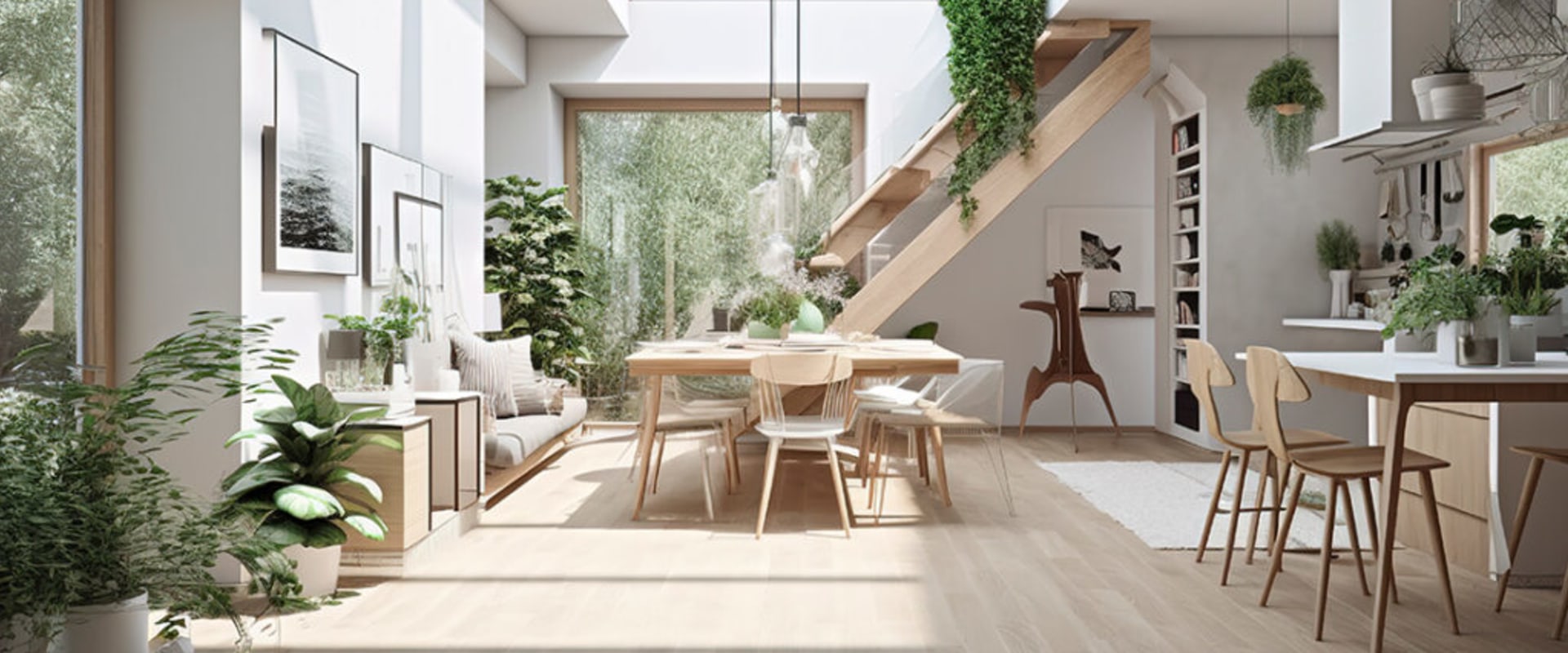
In the quest for eco-friendly living, understanding the significance of energy efficiency is paramount. As we face the growing challenges of climate change and resource depletion, adopting practices that minimize our energy consumption becomes essential. One of the most effective ways to enhance energy efficiency in our homes and workplaces is by harnessing the power of natural light. This not only reduces reliance on artificial lighting but also contributes to a more sustainable lifestyle. Utilizing natural light can dramatically lower energy costs while simultaneously improving our well-being.
Studies have shown that exposure to natural light can boost mood, enhance productivity, and even improve sleep patterns. By allowing sunlight to illuminate our spaces, we create environments that are not only more inviting but also healthier. This shift towards using natural light aligns perfectly with the principles of eco-friendly living, where every small change contributes to a larger impact. Moreover, embracing natural light is a simple yet effective strategy for reducing our carbon footprint. Artificial lighting accounts for a significant portion of energy consumption in residential and commercial buildings.
By maximizing daylight usage, we can significantly cut down on electricity usage, leading to lower greenhouse gas emissions. In this way, the benefits of natural light extend beyond mere aesthetics; they play a crucial role in fostering a sustainable future.
Understanding Natural Light vs. Artificial Lighting
When considering eco-friendly living, understanding the differences between natural light and artificial lighting is crucial. Natural light, which comes from the sun, offers numerous benefits that artificial lighting simply cannot match.Benefits of Natural Light
- Energy Efficiency: Utilizing natural light reduces the need for electricity during daylight hours, significantly lowering energy consumption.
- Health Benefits: Exposure to natural light has been linked to improved mood and productivity, as well as better sleep patterns.
- Environmental Impact: By relying on sunlight, we decrease our carbon footprint, contributing to a healthier planet.
- Higher Energy Consumption: Artificial lights require electricity, which often comes from non-renewable sources, leading to increased greenhouse gas emissions.
- Shorter Lifespan: Many artificial lighting options, such as incandescent bulbs, have a shorter lifespan compared to natural light, resulting in more waste.
- Light Pollution: Excessive use of artificial lighting contributes to light pollution, disrupting ecosystems and affecting wildlife.
Energy Consumption Comparison
A comparison of energy consumption reveals stark differences.
For instance, a typical household can save up to 30% on energy bills by maximizing the use of natural light. This not only translates to financial savings but also promotes a sustainable lifestyle. By designing spaces that prioritize natural light—such as using larger windows or skylights—homeowners can significantly reduce their reliance on artificial lighting.In conclusion, embracing natural light over artificial lighting is a vital step towards achieving a more sustainable and eco-friendly living. By understanding the benefits of natural light and the drawbacks of artificial options, individuals can make informed choices that positively impact both their lives and the environment.
How Natural Light Saves Energy
Utilizing natural light in our homes and workplaces can lead to significant energy savings and a reduction in electricity bills.By strategically designing spaces to maximize daylight, we can decrease our reliance on artificial lighting, which is one of the largest contributors to energy consumption in buildings.One of the primary benefits of daylighting is its ability to illuminate spaces without the need for electric lights. According to a study by the U.S. Department of Energy, buildings that incorporate natural light can reduce lighting energy use by up to 75%. This not only lowers energy costs but also decreases the overall carbon footprint of a building.In addition to financial savings, natural light has been shown to improve productivity and well-being.
A case study conducted by Harvard University found that employees working in environments with ample natural light reported higher levels of satisfaction and productivity. This can lead to further economic benefits for businesses through increased employee performance.To effectively harness natural light, consider the following strategies:
- Window Placement: Position windows to capture sunlight throughout the day, especially in workspaces.
- Skylights: Install skylights in areas where wall space for windows is limited.
- Light Shelves: Use light shelves to reflect sunlight deeper into a room, enhancing illumination without additional energy use.
- Reflective Surfaces: Incorporate reflective materials in your decor to amplify natural light.
Designing Spaces for Maximum Natural Light
Maximizing natural light in your home not only enhances the aesthetic appeal but also contributes significantly to eco-friendly living. Here are some practical tips and architectural strategies to help you design spaces that harness the power of daylight.- Choose the Right Windows: Opt for larger windows or strategically placed skylights to allow more sunlight into your home.
Consider using energy-efficient windows that minimize heat loss while maximizing light entry.
- Open Floor Plans: An open floor plan can facilitate the flow of natural light throughout your home. By removing unnecessary walls, you can create a brighter, more inviting space.
- Reflective Surfaces: Incorporate light-colored walls and reflective surfaces such as mirrors and glossy finishes. These elements can bounce light around the room, enhancing brightness without additional energy consumption.
- Strategic Landscaping: Be mindful of trees and shrubs outside your home. While they provide shade, they can also block valuable sunlight.
Prune or position plants to allow for optimal light exposure.
- Use Transom Windows: Installing transom windows above doors or larger windows can help capture additional daylight, especially in areas that might otherwise be shadowed.
- Consider Orientation: When designing a new home or renovating, consider the orientation of your building. South-facing windows typically receive the most sunlight throughout the day, making them ideal for maximizing natural light.
The Role of Window Treatments in Energy Efficiency
When it comes to maximizing energy efficiency in your home, the choice of window treatments plays a crucial role. Different types of window coverings can significantly influence the amount of natural light that enters a space, which in turn affects your reliance on artificial lighting.Blinds vs.
Curtains
- Blinds: These are often adjustable, allowing you to control the amount of light entering a room. By tilting the slats, you can direct sunlight where you want it, reducing the need for electric lights during the day.
- Curtains: While they can block out light completely, sheer curtains can be an excellent option for letting in natural light while still providing some privacy. Choosing lighter colors can also help reflect sunlight and keep your space bright.
- Choose Light-Reflective Materials: Opt for window treatments made from materials that reflect light rather than absorb it. This can enhance the brightness of your rooms without additional energy costs.
- Utilize Layering Techniques: Combining sheer curtains with heavier drapes allows for flexibility.
You can draw back the heavier drapes during sunny days to let in maximum light while still having the option to close them at night for insulation.
- Install Window Films: These can reduce glare and heat gain while still allowing natural light to filter through, making them an excellent choice for energy efficiency.
Common Myths About Natural Light and Energy Savings
When it comes to utilizing natural light for energy savings, several myths and misconceptions can cloud our understanding. Addressing these myths is crucial for anyone looking to embrace eco-friendly living.- Myth 1: Natural Light is Only Effective on Sunny Days
Many believe that natural light can only be harnessed effectively during bright, sunny days. In reality, even on overcast days, natural light can significantly illuminate spaces.Utilizing large windows or skylights can help capture this light, reducing the need for artificial lighting.
- Myth 2: Natural Light Doesn’t Provide Enough Illumination
Another common misconception is that natural light is insufficient for daily activities. Studies have shown that well-designed spaces that maximize daylight can provide adequate illumination for various tasks, often surpassing the effectiveness of artificial lighting. - Myth 3: Switching to Natural Light is Too Expensive
While some may think that retrofitting a home to utilize more natural light is costly, the long-term savings on energy bills often outweigh the initial investment. Simple changes like adding reflective surfaces or using lighter paint colors can enhance the effectiveness of natural light without breaking the bank. - Myth 4: Natural Light Cannot Be Controlled
Many assume that once you rely on natural light, you lose control over your lighting environment. However, with the right window treatments and architectural designs, you can effectively manage the amount of natural light entering your space, allowing for flexibility in different conditions.
Embracing these facts not only supports eco-friendly living but also contributes to a healthier lifestyle.
Real-Life Examples of Energy Savings Through Natural Light
Many individuals and businesses have successfully harnessed the power of natural light to reduce their energy consumption, leading to significant savings and a smaller carbon footprint. Here are some compelling case studies that illustrate the effectiveness of this eco-friendly approach.Case Study: The Bullitt Center
Located in Seattle, Washington, the Bullitt Center is often referred to as the greenest commercial building in the world. This six-story office building utilizes extensive daylighting strategies, including large windows and skylights, to maximize natural light. As a result, the building has achieved a remarkable 82% reduction in energy use compared to typical office buildings.The design not only enhances employee well-being but also significantly lowers operational costs.
Success Story: IKEA
IKEA has made substantial investments in natural lighting across its stores worldwide. By incorporating large glass facades and strategically placed skylights, IKEA has reduced its reliance on artificial lighting during daylight hours. This initiative has led to an estimated annual energy savings of over 30% in their stores, demonstrating how retail environments can benefit from natural light.Residential Example: The Smith Family Home
A family in Austin, Texas, undertook a renovation of their home with a focus on maximizing natural light. By installing larger windows and using reflective surfaces, they were able to reduce their electricity bill by 40%.The increased daylight not only brightened their living spaces but also improved their overall quality of life.These examples highlight that whether in commercial or residential settings, utilizing natural light can lead to significant energy savings. By adopting similar strategies, more individuals and businesses can contribute to a more sustainable future while enjoying the benefits of reduced energy costs.
Future Trends in Natural Lighting Solutions
As we move towards a more sustainable future, the future of natural lighting is becoming increasingly promising. Innovations in daylighting technology are paving the way for more efficient and eco-friendly living spaces. These advancements not only enhance the aesthetic appeal of buildings but also significantly reduce energy consumption.One of the most exciting trends is the integration of smart glass technology.This innovative material can adjust its transparency based on sunlight intensity, allowing for optimal natural light while minimizing heat gain. By using smart glass, buildings can maintain comfortable indoor temperatures without relying heavily on artificial lighting or air conditioning.Another emerging trend is the use of light tubes, which channel natural light from rooftops into interior spaces. These tubes can illuminate areas that typically rely on artificial lighting, such as basements and interior rooms, thus reducing overall energy usage. The implementation of light tubes not only enhances energy efficiency but also improves the well-being of occupants by providing a connection to the outdoors.Moreover, architects and designers are increasingly adopting sustainable design trends that prioritize natural light.
Features such as large windows, skylights, and open floor plans are becoming standard in new constructions. These elements not only maximize daylight exposure but also create a more inviting atmosphere, promoting mental health and productivity.In addition to these technologies, there is a growing emphasis on biophilic design, which seeks to connect people with nature through natural light and greenery. This approach not only enhances aesthetic appeal but also contributes to energy savings by reducing reliance on artificial lighting.As we look to the future, it is clear that advancements in natural lighting solutions will play a crucial role in achieving eco-friendly living. By embracing these innovations, we can create spaces that are not only beautiful and functional but also sustainable and energy-efficient.
Conclusion: Embracing Natural Light for a Sustainable Future
In conclusion, harnessing natural light is not just a trend; it is a vital step towards achieving a more sustainable future.Throughout this article, we have explored how utilizing sunlight can significantly reduce our reliance on artificial lighting, leading to substantial energy savings and a lower carbon footprint.By integrating natural light into our living and working spaces, we can:
- Decrease energy consumption: Natural light reduces the need for electric lighting during the day, which can lead to lower utility bills.
- Enhance well-being: Exposure to natural light has been shown to improve mood and productivity, making it beneficial for both home and office environments.
- Minimize environmental impact: Using less electricity means fewer fossil fuels burned, contributing to a healthier planet.