Plastic bags have become a ubiquitous part of modern life, offering convenience for shopping and carrying goods. However, their impact on the environment is profound and troubling. Each year, millions of plastic bags are used, and a significant portion ends up in landfills, oceans, and other natural habitats. This contributes to the growing crisis of plastic pollution, which poses serious threats to wildlife and ecosystems.
Marine animals often mistake plastic for food, leading to ingestion that can be fatal. Furthermore, the decomposition of plastic bags can take hundreds of years, during which they break down into microplastics that infiltrate our soil and water systems. The environmental effects of plastic bags extend beyond just wildlife. The production process itself is resource-intensive, requiring fossil fuels that contribute to greenhouse gas emissions. As we grapple with climate change and environmental degradation, the need for sustainable practices becomes increasingly urgent.
Understanding the full scope of the environmental issues caused by plastic bags is essential for motivating change and seeking out eco-friendly alternatives.As consumers become more aware of these challenges, there is a growing demand for solutions that align with eco-friendly living. By exploring alternatives to plastic bags, we can take meaningful steps toward reducing our ecological footprint and fostering a healthier planet. This article will delve into various eco-friendly options that not only mitigate the negative impacts of plastic but also promote sustainable habits in our daily lives.
Why Choose Eco-Friendly Alternatives?
Choosing eco-friendly alternatives to plastic bags is not just a trend; it’s a necessary shift towards a more sustainable future. The benefits of making this switch are numerous and impactful, affecting not only the environment but also our health and economy.Environmental Benefits
Plastic bags contribute significantly to pollution and wildlife harm.By opting for eco-friendly bags, such as those made from organic cotton, jute, or recycled materials, you help reduce the amount of plastic waste that ends up in landfills and oceans. These alternatives are biodegradable or recyclable, which means they break down naturally or can be repurposed, minimizing their environmental footprint.
Health Considerations
Many plastic bags contain harmful chemicals that can leach into food products. In contrast, eco-friendly bags are often made from safe, non-toxic materials. This not only protects your health but also promotes a cleaner environment for future generations.Economic Advantages
While the initial cost of eco-friendly bags may be higher than that of single-use plastic bags, they are designed for durability and longevity.Investing in reusable bags can lead to significant savings over time as many retailers offer discounts for bringing your own bags. Additionally, reducing plastic waste can lower municipal costs associated with waste management.
Social Responsibility
By choosing eco-friendly options, you also support companies that prioritize sustainability and ethical practices. This choice fosters a culture of environmental awareness and encourages others to follow suit, amplifying the positive impact on our planet.In summary, switching to eco-friendly alternatives is a powerful way to contribute to a healthier planet while also benefiting your health and finances. The transition may seem small, but collectively, these choices can lead to significant change.Types of Eco-Friendly Alternatives to Plastic Bags
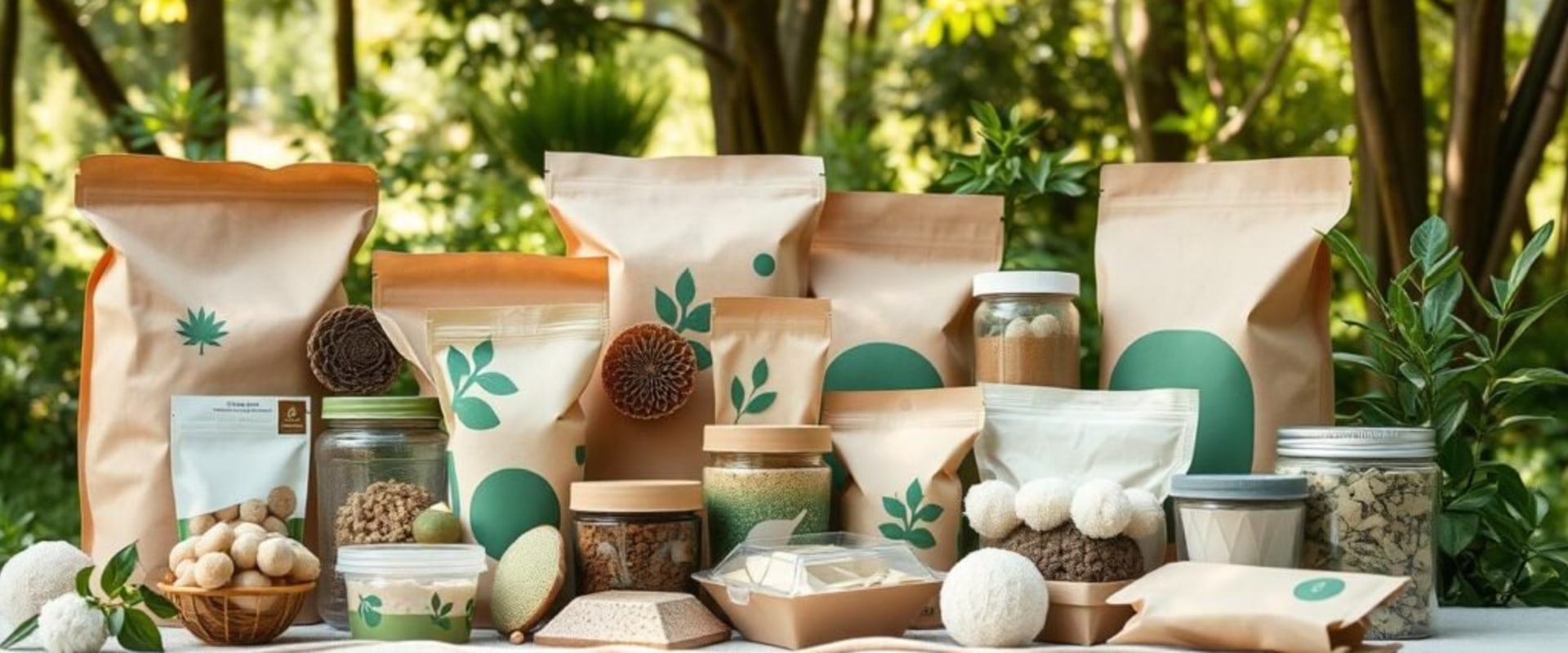
As the world increasingly shifts towards eco-friendly living, various alternatives to traditional plastic bags have emerged, catering to different needs and preferences.Here’s a detailed overview of some popular options:
- Reusable Cloth Bags: These bags are made from durable materials such as cotton, jute, or hemp. They are designed for multiple uses, making them a sustainable choice for shopping. Many reusable cloth bags are foldable and lightweight, allowing for easy storage in your car or purse.
- Biodegradable Bags: Made from natural materials like cornstarch or potato starch, biodegradable bags break down more quickly than plastic when exposed to environmental conditions. They are an excellent option for those looking to minimize their ecological footprint.
- Canvas Tote Bags: Sturdy and stylish, canvas tote bags are perfect for grocery shopping or carrying everyday items.
They can be customized with designs or logos, making them a popular choice for businesses aiming to promote sustainability.
- Recycled Plastic Bags: Some companies produce bags made from recycled plastics, which help reduce waste while providing a functional alternative. These bags often have a similar feel to traditional plastic but come with the added benefit of being environmentally friendly.
- Compostable Bags: Unlike traditional plastic, compostable bags are designed to break down in composting environments. They are made from organic materials and can be added to compost bins, contributing to soil health.
Reusable Cloth Bags: A Popular Choice
Reusable cloth bags have emerged as a popular choice for eco-conscious consumers looking to reduce their reliance on single-use plastic bags.Made from a variety of materials such as cotton, jute, and recycled polyester, these bags offer a sustainable alternative that is both durable and versatile.
Benefits of Cloth Bags
- Durability: Unlike plastic bags that can tear easily, cloth bags are designed to withstand heavy loads, making them ideal for grocery shopping and other errands.
- Reusability: Cloth bags can be used repeatedly, significantly reducing waste and the environmental impact associated with disposable plastic.
- Biodegradability: Many cloth bags are made from natural fibers, which means they can decompose over time, unlike their plastic counterparts.
- Variety of Designs: Available in numerous colors and patterns, cloth bags can be a stylish accessory while promoting eco-friendly living.
How to Use Cloth Bags Effectively
- Keep Them Handy: Always have a few cloth bags in your car or by the door to ensure you remember to take them when shopping.
- Designate Specific Uses: Consider using different bags for different purposes, such as one for groceries and another for laundry or beach outings.
- Wash Regularly: To maintain hygiene, especially when carrying food items, wash your cloth bags regularly according to the manufacturer's instructions.
- Encourage Others: Share the benefits of using cloth bags with friends and family to promote a collective shift towards more sustainable practices.
Compostable Bags: An Eco-Friendly Solution
Compostable bags are an innovative alternative to traditional plastic bags, designed to break down into natural elements in a compost environment. Unlike standard plastic bags, which can take hundreds of years to decompose, compostable bags are made from renewable resources such as cornstarch, potato starch, or other plant-based materials. This means they can decompose within a few months when exposed to the right conditions, making them a more sustainable option for eco-conscious consumers.It’s important to understand the differences between compostable and biodegradable materials.While both types of products can break down over time, the key distinction lies in the process and end result. Biodegradable bags may break down into smaller pieces but can leave behind harmful residues or microplastics. In contrast, compostable bags are specifically designed to decompose into non-toxic components that enrich the soil, contributing positively to the environment.
Benefits of Compostable Bags
- Environmental Impact: Compostable bags significantly reduce landfill waste and pollution, as they break down naturally.
- Soil Enrichment: When composted properly, these bags contribute nutrients back into the soil, promoting healthy plant growth.
- Versatility: They can be used for various purposes, from grocery shopping to waste collection, making them a practical choice for everyday use.
- Consumer Awareness: Using compostable bags raises awareness about sustainability and encourages others to consider eco-friendly alternatives.
Other Innovative Alternatives to Plastic Bags
As the movement towards eco-friendly living gains momentum, many individuals are seeking out innovative bag alternatives that reduce reliance on plastic.Beyond traditional reusable bags, there are several creative options that not only serve practical purposes but also contribute to sustainability.
Beeswax Wraps
One of the most popular alternatives is beeswax wraps. These wraps are made from organic cotton infused with beeswax, jojoba oil, and tree resin, making them a natural and biodegradable option for food storage. They can be used to cover bowls, wrap sandwiches, or store fruits and vegetables. After use, simply wash them with cold water and mild soap, and they can last for up to a year with proper care.Upcycled Materials
Another innovative solution is the use of upcycled materials.Many companies are now creating bags from repurposed items such as old clothing, fabric scraps, or even discarded plastic bottles. These bags not only help reduce waste but also often come with unique designs that tell a story. By choosing upcycled products, consumers can support sustainable practices while enjoying one-of-a-kind items.
Compostable Bags
Compostable bags are another excellent alternative. Made from plant-based materials like cornstarch or potato starch, these bags break down naturally in composting environments.They provide a similar convenience to plastic bags but without the long-lasting environmental impact. When shopping for compostable options, look for certifications that ensure they meet industry standards for biodegradability.
Fabric Tote Bags
Fabric tote bags, often made from cotton or hemp, are durable and versatile. They can be used repeatedly for grocery shopping, beach outings, or everyday errands. Many brands offer stylish designs that make them a fashionable choice as well as an eco-friendly one.Incorporating these sustainable packaging options into your daily routine not only helps reduce plastic waste but also promotes a more conscious approach to consumption.By exploring these eco-friendly shopping solutions, you can make a significant impact on the environment while enjoying practical and stylish alternatives to plastic bags.
How to Transition to Eco-Friendly Bags in Daily Life
Transitioning to eco-friendly bags in your daily life can seem daunting, but with a few practical tips, it can become a seamless part of your routine. Here are some effective strategies to help you make the switch:- Start Small: Begin by replacing one type of plastic bag at a time. For instance, if you frequently use plastic grocery bags, invest in a set of reusable shopping bags.
- Keep Bags Accessible: Store your reusable bags in places where you’ll remember to grab them, such as your car or near your front door. This will help you avoid the last-minute rush to find a bag when heading out.
- Set Reminders: Use your phone or sticky notes as reminders to bring your reusable bags when shopping.
Over time, this will help change your habits.
- Choose Versatile Options: Opt for bags that can serve multiple purposes. For example, a sturdy tote can be used for groceries, beach trips, or even as a gym bag.
- Involve Your Family: Encourage family members to participate in the transition. Make it a fun challenge to see who can remember their bags the most often.
- Wash Regularly: Keep your reusable bags clean by washing them regularly, especially if they are used for food items.
- Avoid Single-Use Items: When possible, choose products that come without packaging or in bulk to further reduce waste.
- Educate Others: Share your journey towards eco-friendly living with friends and family. The more people who understand the importance of reducing plastic use, the greater the impact.
Remember, every small change contributes to a larger movement towards sustainability and eco-friendly living.
Frequently Asked Questions About Eco-Friendly Bags
As more people embrace eco-friendly living, questions about the effectiveness and practicality of eco-friendly bags often arise. Here are some common queries and misconceptions regarding these sustainable alternatives.What are the benefits of using reusable bags?
Reusable bags significantly reduce the amount of plastic waste generated. They are typically made from durable materials, allowing them to be used multiple times, which not only helps the environment but also saves money in the long run. Additionally, many reusable bags are designed to be stylish and functional, making them a practical choice for everyday use.Are biodegradable bags truly eco-friendly?
While biodegradable bags break down more quickly than traditional plastic bags, they still require specific conditions to decompose effectively.Many biodegradable options end up in landfills where they may not break down as intended. It's essential to check for certifications and understand the disposal methods required for these bags to ensure they fulfill their eco-friendly promise.
Can I wash my reusable bags?
Yes! In fact, it is recommended to wash your reusable bags regularly, especially if they have been used for food items. Most fabric reusable bags can be machine washed, while others may require hand washing. Always check the care instructions provided by the manufacturer to maintain their longevity.What materials are eco-friendly bags made from?
- Cotton: A natural fiber that is biodegradable and durable.
- Jute: A strong plant fiber that is also biodegradable and compostable.
- Recycled materials: Some bags are made from recycled plastics or other materials, reducing waste.
Conclusion: Embracing a Plastic-Free Future
As we conclude our exploration of eco-friendly alternatives to plastic bags, it becomes clear that the shift towards a more sustainable lifestyle is not only necessary but also achievable.By embracing these alternatives, we can significantly reduce our environmental footprint and contribute to a healthier planet.Throughout this article, we have discussed various options such as reusable cloth bags, biodegradable bags, and even innovative solutions like compostable bags. Each of these alternatives offers unique benefits, from reducing waste in landfills to minimizing the pollution that plastic bags cause in our oceans.Making the switch to eco-friendly options is not just about personal choice; it’s about fostering a collective movement towards sustainability. Here are some key takeaways:
- Reusable Bags: Investing in high-quality reusable bags can drastically cut down on single-use plastic consumption.
- Biodegradable Options: These bags break down more quickly than traditional plastics, making them a better choice for the environment.
- Community Involvement: Encourage local businesses to adopt eco-friendly practices and support initiatives that promote sustainability.
The journey towards eco-friendly living starts with each of us, and it’s time to take action for the sake of our planet and future generations.