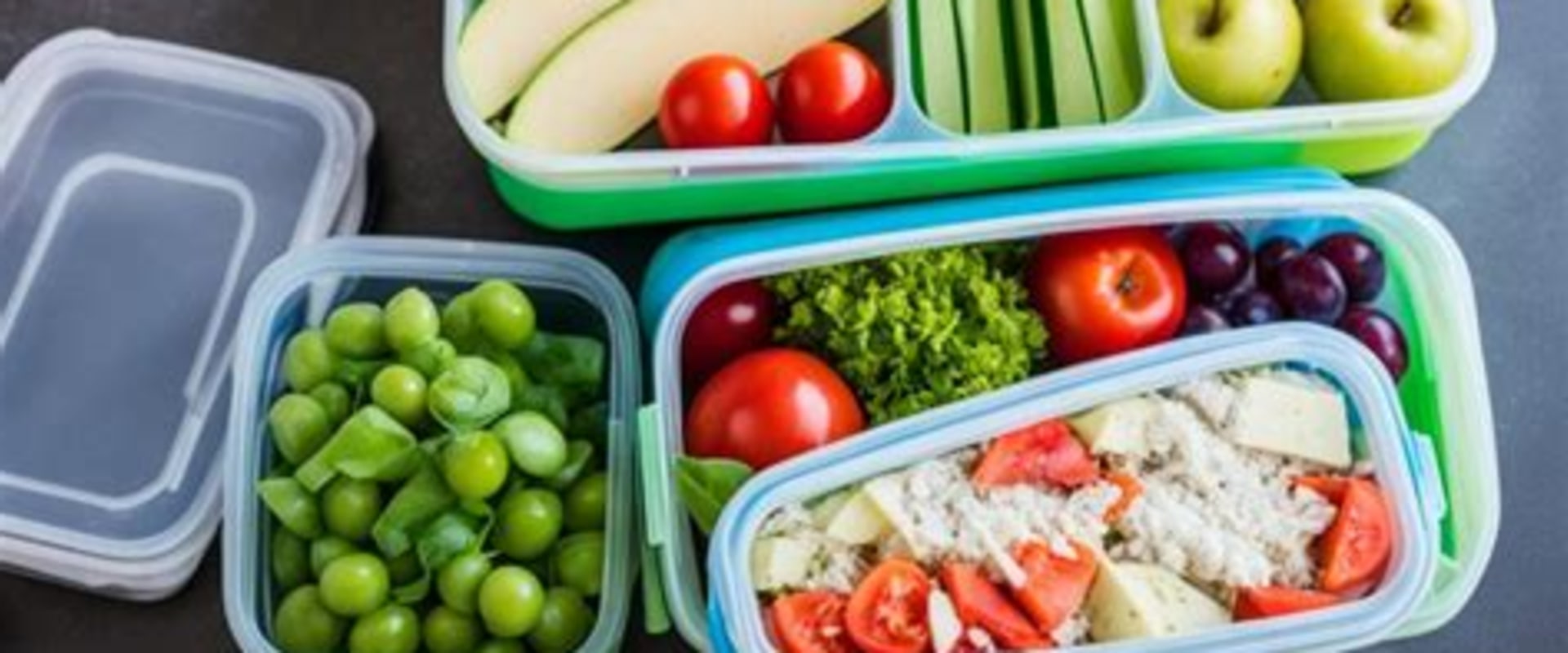
In today's fast-paced world, the convenience of packing lunches often comes at a significant environmental cost. Every year, millions of single-use plastics and non-biodegradable materials end up in landfills, contributing to the growing waste crisis. Understanding the importance of reducing waste when packing lunches is crucial for anyone looking to embrace eco-friendly living. By making conscious choices about how we prepare and pack our meals, we can significantly lessen our ecological footprint. Reducing waste in lunch packing not only benefits the environment but also promotes healthier eating habits.
When we opt for reusable containers and sustainable materials, we are more likely to prepare fresh, wholesome meals rather than relying on pre-packaged options that often come with excessive packaging. This shift not only minimizes waste but also encourages creativity in meal preparation, allowing individuals and families to explore new recipes and ingredients. Moreover, adopting eco-friendly practices in our daily routines fosters a sense of responsibility towards our planet. It sets a positive example for children and peers, demonstrating that small changes can lead to significant impacts. As we delve deeper into practical solutions for reducing waste in lunch packing, it becomes clear that every effort counts in the larger movement towards sustainable living.
Choosing Sustainable Lunch Containers
When it comes to packing lunches, choosing the right containers is crucial for promoting eco-friendly living and reducing waste.Sustainable lunch containers not only help minimize environmental impact but also ensure that your meals stay fresh and safe. Here are some popular options:
- Glass Containers: Glass lunch containers are a fantastic choice for those looking to reduce plastic use. They are durable, microwave-safe, and do not leach harmful chemicals into food. Additionally, glass is recyclable, making it an excellent option for sustainable living.
- Stainless Steel Containers: Another great alternative is stainless steel.
These containers are lightweight, resistant to rust, and can last for years with proper care. They are perfect for both hot and cold meals and are often designed to be leak-proof, making them ideal for soups or salads.
- BPA-Free Plastic Containers: If you prefer plastic, opt for BPA-free options. These containers are made without harmful chemicals and can be reused multiple times. Look for brands that emphasize sustainability in their manufacturing processes.
Reusable lunch boxes with compartments can help keep different food items separate, reducing the need for additional packaging like plastic wrap or single-use bags. Some containers even come with built-in utensils, further minimizing waste.By investing in sustainable lunch containers, you not only contribute to a healthier planet but also encourage a lifestyle that values eco-friendly practices. Making small changes in your lunch packing routine can lead to significant reductions in waste over time.
Opting for Reusable Utensils and Napkins
In the quest for eco-friendly living, one of the most impactful changes you can make is to opt for reusable utensils and cloth napkins instead of their disposable counterparts. This simple switch not only reduces waste but also promotes a more sustainable lifestyle.Choosing Reusable Utensils
- When selecting reusable utensils, consider materials that are durable and easy to clean, such as stainless steel, bamboo, or silicone.
These materials are not only long-lasting but also free from harmful chemicals.
- Look for utensil sets that come with a carrying case, making it convenient to pack them in your lunch bag without worrying about cleanliness.
- Encourage children to participate in the selection process by letting them choose their favorite colors or designs. This can make them more excited about using their reusable items.
Eco-Friendly Napkins
- Cloth napkins are a fantastic alternative to paper napkins. They can be washed and reused multiple times, significantly cutting down on waste.
- Select napkins made from organic cotton or linen for a more sustainable option. These materials are biodegradable and often produced with less environmental impact.
- To make the transition easier, keep a set of cloth napkins in your lunch packing area.
This way, they are always accessible when preparing meals.
Maintaining Your Reusable Items
- Regularly wash your utensils and napkins to maintain hygiene. Most reusable items can be safely cleaned in the dishwasher or washing machine.
- Set a reminder to check your supplies weekly. This ensures you always have clean utensils and napkins ready for your next lunch packing session.
Planning Meals to Minimize Food Waste
Effective meal planning is a cornerstone of reducing food waste, especially when it comes to packing lunches. By taking the time to plan your meals, you can ensure that you use ingredients efficiently and minimize leftovers that might go uneaten.Here are some strategies to help you plan meals that not only satisfy your taste buds but also contribute to eco-friendly living:- Assess Your Needs: Before you start planning, consider how many lunches you need for the week.
This will help you avoid over-purchasing ingredients that may spoil before you can use them.
- Create a Menu: Draft a weekly menu that includes a variety of meals. Incorporate ingredients that can be used across multiple dishes to maximize their use and reduce waste.
- Portion Control: Be mindful of portion sizes when preparing meals. Packing appropriate portions not only helps in managing food waste but also promotes healthier eating habits.
- Utilize Leftovers: Get creative with leftovers! If you have extra roasted vegetables from dinner, toss them into a salad or wrap for lunch. This not only reduces waste but also adds flavor and nutrition to your meals.
- Batch Cooking: Consider batch cooking staple items like grains or proteins at the beginning of the week.
This allows for quick assembly of lunches throughout the week without the need for additional cooking.
Incorporating Bulk Buying and Local Produce
One effective way to embrace eco-friendly living is by incorporating bulk buying and selecting local produce when packing lunches. These practices not only help reduce packaging waste but also support sustainable agriculture and local economies.Bulk Buying Benefits
- Minimized Packaging: Purchasing items in bulk often means less packaging waste. Instead of buying individually wrapped snacks or single-serving items, opt for larger containers that can be portioned out at home.
- Cost-Effective: Buying in bulk can save money over time.
Many stores offer discounts for bulk purchases, allowing you to stock up on essentials like grains, nuts, and dried fruits.
- Customizable Portions: When you buy in bulk, you can control the portion sizes that go into your lunch. This not only reduces waste but also helps in managing food intake.
The Importance of Local Produce
- Freshness and Flavor: Local produce is often fresher than items shipped from far away, resulting in better taste and nutritional value.
- Reduced Carbon Footprint: By choosing local fruits and vegetables, you minimize the distance food travels, which significantly lowers greenhouse gas emissions associated with transportation.
- Support for Local Farmers: Purchasing from local farmers markets or co-ops helps sustain local economies and encourages environmentally friendly farming practices.
Creative Ideas for Waste-Free Snacks
When it comes to packing lunches, incorporating waste-free snacks can significantly contribute to an eco-friendly lifestyle. Here are some creative ideas that not only minimize waste but also promote healthy eating.- Homemade Energy Bites: Combine oats, nut butter, honey, and your choice of seeds or dried fruits.
Roll them into bite-sized balls and store them in a reusable container. These snacks are nutritious and can be made in bulk.
- Veggie Sticks with Hummus: Slice up carrots, cucumbers, and bell peppers, and pack them in a reusable snack bag. Pair with a small container of homemade or store-bought hummus for a delicious dip.
- Fruit Leather: Instead of store-bought fruit snacks that come in plastic wrappers, make your own fruit leather by pureeing fresh fruit and drying it out in the oven or a dehydrator. Cut into strips and roll them up in parchment paper.
- Popcorn: Air-popped popcorn is a great snack that can be seasoned with your favorite spices.
Pack it in a reusable container to keep it fresh and crunchy.
- Nuts and Seeds Mix: Create your own trail mix by combining nuts, seeds, and a few dark chocolate chips. This snack is not only filling but also packed with protein and healthy fats.
Educating Kids About Eco-Friendly Lunch Packing
Teaching children about eco-friendly lunch packing is essential for fostering sustainable habits that can last a lifetime. By involving kids in the process, you not only educate them about the importance of reducing waste but also empower them to make environmentally conscious choices.Start with the Basics
- Discuss Waste Reduction: Explain to your children why reducing waste is important.
Use simple language and relatable examples, such as how plastic can harm wildlife and the environment.
- Introduce Reusable Items: Show them the benefits of using reusable containers, utensils, and cloth napkins instead of single-use plastics. Let them choose their favorite designs to make it more engaging.
Involve Them in Planning
- Meal Planning: Encourage your kids to help plan their lunches for the week. This not only teaches them about nutrition but also allows them to think critically about what they consume and how to minimize packaging.
- Grocery Shopping: Take your children grocery shopping and discuss how to select items with minimal packaging. Teach them to look for bulk options or products with eco-friendly packaging.
Make It Fun
- Create a Lunch Packing Game: Turn lunch packing into a fun activity by setting challenges, such as packing a lunch with zero waste or using only items from the pantry.
- Crafting Reusable Bags: Engage in DIY projects where you can create reusable lunch bags together.
This hands-on activity reinforces the concept of sustainability while allowing for creativity.
Frequently Asked Questions About Reducing Waste When Packing Lunches
When it comes to reducing waste while packing lunches, many people have questions about the best practices and materials to use. Here are some common inquiries and their answers:- What are the best materials for eco-friendly lunch packing?
Opt for reusable containers made from stainless steel, glass, or BPA-free plastic. These materials are durable and can significantly cut down on single-use plastics. - How can I avoid using plastic bags?
Instead of plastic bags, consider using reusable silicone bags or beeswax wraps.These alternatives not only reduce waste but also keep your food fresh.
- What types of food are best for sustainable lunches?
Focus on whole foods such as fruits, vegetables, grains, and proteins that require minimal packaging. Buying in bulk can also help reduce waste. - Are there any tips for packing leftovers?
Use airtight containers to store leftovers, which can be a great way to minimize food waste. Labeling containers with dates can help ensure you consume them before they spoil. - How can I encourage my kids to participate in eco-friendly lunch packing?
Involve them in the process by letting them choose their favorite reusable containers and snacks. Teaching them about the importance of reducing waste can foster a sense of responsibility.
Implementing these strategies not only helps the environment but also promotes healthier eating habits.
Conclusion: Embracing Eco-Friendly Lunch Packing Practices
In conclusion, adopting eco-friendly lunch packing practices is not just a trend but a necessary shift towards sustainable living. By making conscious choices about the materials we use and the food we pack, we can significantly reduce our environmental footprint.Throughout this article, we explored various strategies to minimize waste when preparing lunches. Here are some key takeaways:- Opt for reusable containers: Investing in high-quality, durable containers can eliminate the need for single-use plastics, which contribute to landfill waste.
- Choose bulk items: Buying snacks and ingredients in bulk reduces packaging waste and often saves money.
- Plan meals ahead: Meal planning not only helps in reducing food waste but also ensures that you pack nutritious options that are less likely to be discarded.
- Utilize natural wraps: Instead of plastic wrap, consider using beeswax wraps or cloth napkins to cover sandwiches and snacks.
- Encourage composting: Teach children about composting food scraps from their lunches, turning waste into valuable nutrients for gardens.
Let’s commit to making lunch packing a more sustainable practice, one meal at a time.