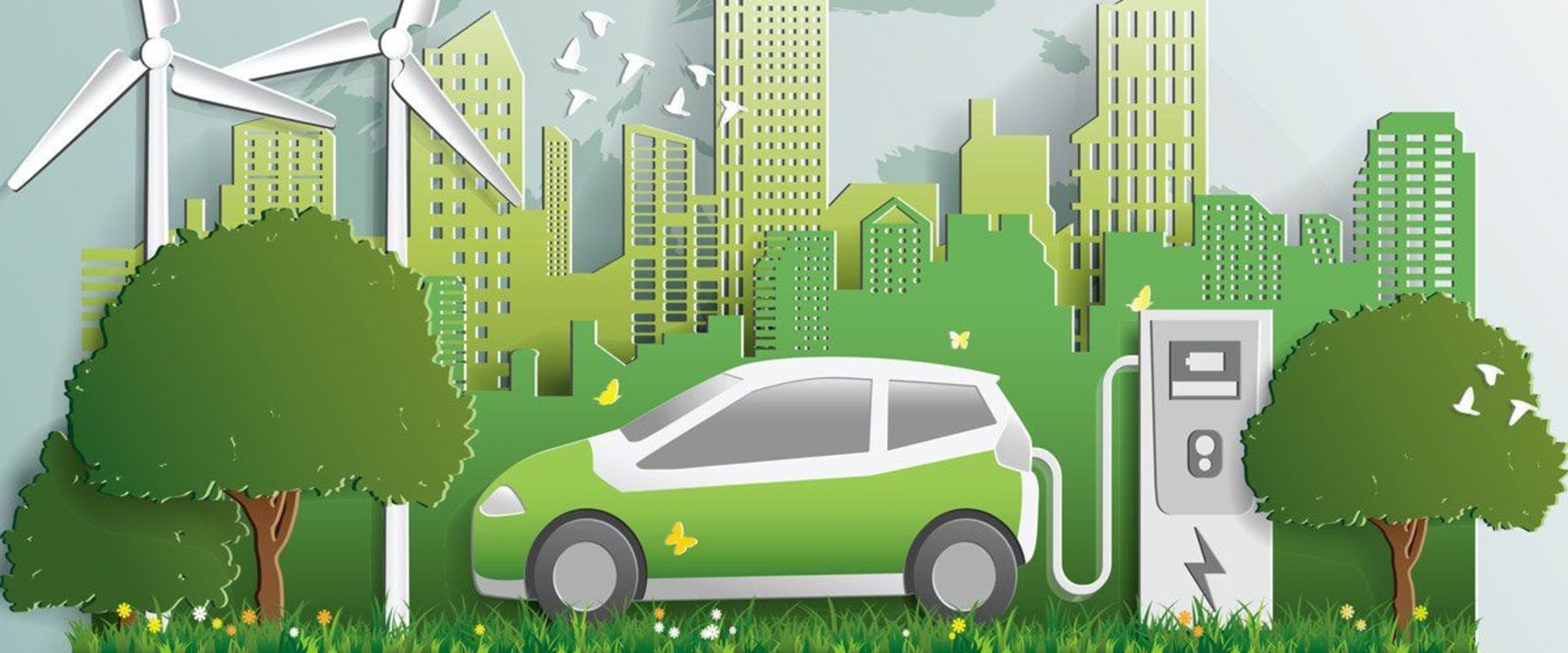
In recent years, the automotive industry has witnessed a significant shift towards eco-friendly vehicles, particularly in the form of hybrid and electric cars. These innovative vehicles are designed to reduce our reliance on fossil fuels and minimize harmful emissions, making them a crucial component of sustainable transportation. Understanding how these cars operate is essential for anyone interested in eco-friendly living and its impact on the environment.
Hybrid cars
combine a traditional internal combustion engine with an electric motor, allowing for improved fuel efficiency and reduced emissions. They can switch between the two power sources or use both simultaneously, depending on driving conditions.This dual approach not only enhances performance but also contributes to lower greenhouse gas emissions compared to conventional vehicles. On the other hand, electric cars run entirely on electricity stored in batteries, producing zero tailpipe emissions. As battery technology advances, electric vehicles (EVs) are becoming more accessible and practical for everyday use. The differences between hybrid and electric cars extend beyond their power sources; they also influence how we think about transportation and its environmental impact. By choosing these vehicles, consumers can play a pivotal role in reducing air pollution and combating climate change.
As we delve deeper into the benefits of hybrid and electric cars, it becomes clear that they are not just alternatives to traditional vehicles but essential tools in our journey towards a more sustainable future.
Reduction of Greenhouse Gas Emissions
One of the most significant benefits of using hybrid and electric cars is their potential to drastically reduce greenhouse gas emissions. Traditional gasoline vehicles are major contributors to carbon emissions, which are a leading cause of climate change. In contrast, hybrid and electric vehicles (EVs) offer a cleaner alternative.Electric cars
produce zero tailpipe emissions, which means they do not emit harmful pollutants such as carbon dioxide (CO2) while driving. According to the U.S.Environmental Protection Agency (EPA), the average electric vehicle can reduce greenhouse gas emissions by up to 50% compared to conventional gasoline vehicles over its lifetime.
Hybrid cars
, while still using gasoline, are designed to optimize fuel efficiency and minimize emissions. They combine an internal combustion engine with an electric motor, allowing for reduced fuel consumption. Studies show that hybrids can achieve a reduction in CO2 emissions by approximately 30% compared to traditional vehicles.
- Carbon Footprint Reduction: By switching to a hybrid or electric vehicle, individuals can significantly lower their personal carbon footprint. For instance, a typical EV can save around 1.5 million grams of CO2 per year compared to a gasoline car.
- Renewable Energy Integration: When charged using renewable energy sources like solar or wind, the emissions associated with electric vehicles can be further minimized, making them even more eco-friendly.
- Long-Term Impact: As more consumers adopt hybrid and electric vehicles, the cumulative effect on reducing greenhouse gas emissions can be substantial, contributing to global efforts against climate change.
By reducing greenhouse gas emissions significantly, these vehicles not only help mitigate climate change but also promote cleaner air and a healthier environment for future generations.
Improved Air Quality in Urban Areas
The transition to hybrid and electric vehicles (EVs) plays a crucial role in enhancing air quality in urban areas, where pollution levels are often alarmingly high. Traditional gasoline and diesel vehicles emit significant amounts of harmful pollutants, including nitrogen oxides (NOx), particulate matter (PM), and volatile organic compounds (VOCs). These emissions contribute to the formation of smog and can lead to serious health issues for city dwellers.By adopting hybrid and electric cars, cities can significantly reduce these harmful emissions.Electric vehicles
, in particular, produce zero tailpipe emissions, which means they do not release pollutants that contribute to urban air quality degradation.This shift not only helps in lowering the concentration of harmful substances in the air but also promotes a healthier environment for residents.
Health Benefits of Improved Air Quality
The health benefits associated with improved air quality are profound. Studies have shown that reduced exposure to air pollutants can lead to:- Lower rates of respiratory diseases: Cleaner air can decrease the incidence of asthma and other chronic respiratory conditions.
- Fewer cardiovascular problems: Air pollution is linked to heart disease; thus, better air quality can lead to improved heart health.
- Enhanced overall well-being: A cleaner environment contributes to better mental health and quality of life.
By improving air quality in urban settings, these vehicles contribute significantly to public health and environmental sustainability.
Energy Efficiency and Renewable Energy Integration
Hybrid and electric vehicles (EVs) are at the forefront of promoting energy efficiency in the transportation sector. Unlike traditional gasoline-powered cars, these vehicles utilize advanced technology to optimize fuel consumption and reduce emissions. By harnessing electric power, they significantly lower the amount of fossil fuels consumed, leading to a decrease in greenhouse gas emissions.One of the most compelling aspects of hybrid and electric cars is their compatibility with renewable energy sources. When charged using solar, wind, or hydroelectric power, these vehicles can operate with a minimal carbon footprint.This integration not only enhances the sustainability of personal transportation but also supports the broader transition to a sustainable energy ecosystem.
Electric Vehicle Charging and Renewable Energy
The charging infrastructure for electric vehicles is increasingly being designed to incorporate sustainable energy sources. Many charging stations are now equipped with solar panels that generate clean energy to power EVs. This means that when you charge your electric car at one of these stations, you are effectively using energy that is both renewable and environmentally friendly.- Solar Charging Stations: These stations utilize solar panels to convert sunlight into electricity, providing a clean source of energy for EVs.
- Wind-Powered Charging: Some charging facilities harness wind energy, further diversifying the renewable energy mix available for electric vehicle charging.
- Grid Integration: As more renewable energy sources are integrated into the grid, EVs can be charged during off-peak hours when renewable generation is high.
Economic Benefits of Eco-Friendly Vehicles
Switching to hybrid or electric vehicles (EVs) not only contributes to a healthier planet but also offers significant economic benefits for drivers.One of the most immediate advantages is the potential for fuel savings. Traditional gasoline vehicles can be costly to operate, especially with fluctuating fuel prices. In contrast, electric cars are typically cheaper to charge than it is to fill up a gas tank, leading to substantial savings over time.Moreover, many states and local governments provide incentives for electric cars, which can further reduce the overall cost of ownership. These incentives may include:
- Tax credits: Federal tax credits can significantly lower the purchase price of an EV, making them more accessible.
- Rebates: Some states offer cash rebates for purchasing or leasing electric vehicles.
- Reduced registration fees: Many regions have lower registration fees for hybrid and electric vehicles.
- Access to carpool lanes: EVs often have the advantage of using carpool lanes, which can save time during commutes.
Electric and hybrid vehicles generally have fewer moving parts than traditional cars, which means less wear and tear and fewer repairs. For instance, they do not require oil changes, and their brake systems tend to last longer due to regenerative braking technology.Overall, the combination of fuel savings, tax incentives, and reduced maintenance costs makes hybrid and electric vehicles a financially savvy choice for eco-conscious consumers. By investing in these vehicles, drivers not only contribute to a sustainable future but also enjoy long-term financial benefits.
Challenges and Misconceptions About Hybrid and Electric Cars
While hybrid and electric vehicles (EVs) are often touted as eco-friendly alternatives to traditional gasoline-powered cars, there are several challenges and misconceptions that can cloud their environmental benefits.Challenges of Electric Cars
One of the primary challenges facing electric cars is the issue of range anxiety. Many potential buyers worry about the distance an EV can travel on a single charge, especially compared to conventional vehicles.Although advancements in battery technology have significantly increased the range of modern electric cars, some consumers still hesitate to make the switch due to fears of running out of power before reaching their destination.
Battery Disposal Issues
Another concern is related to the disposal and recycling of EV batteries. The production of lithium-ion batteries, which power most electric vehicles, involves mining for materials like lithium, cobalt, and nickel. This process can have detrimental effects on the environment if not managed responsibly. Additionally, while many manufacturers are working on recycling programs, the current infrastructure for battery disposal is still developing.This raises questions about the long-term sustainability of battery production and disposal.
Misconceptions About Hybrids
There are also several misconceptions surrounding hybrid vehicles. Some people believe that hybrids do not significantly reduce emissions compared to traditional cars. However, studies show that hybrids can achieve up to 50% better fuel efficiency than their gasoline counterparts, leading to lower greenhouse gas emissions over time. Furthermore, hybrids often utilize regenerative braking systems that capture energy typically lost during braking, enhancing their overall efficiency.In conclusion, while hybrid and electric vehicles present certain challenges and misconceptions, understanding these issues is crucial for making informed decisions about eco-friendly living.By addressing concerns like range anxiety and battery disposal, consumers can better appreciate the potential environmental benefits these vehicles offer.
The Role of Government Policies in Promoting Eco-Friendly Vehicles
Government policies play a crucial role in promoting eco-friendly vehicles, particularly hybrid and electric cars. By implementing various incentives and regulations, governments can significantly influence consumer behavior and encourage the transition to more sustainable transportation options.Incentives for Hybrid and Electric Vehicles
- Tax Credits: Many states and the federal government offer tax credits for purchasing electric or hybrid vehicles. These credits can substantially lower the overall cost, making eco-friendly options more accessible to a broader audience.
- Rebates: Some local governments provide cash rebates for buyers of electric vehicles, further incentivizing the switch from traditional gasoline-powered cars.
- Reduced Registration Fees: Certain states have implemented lower registration fees for hybrid and electric vehicles, which can save owners money over time.
Environmental Regulations
In addition to financial incentives, environmental regulations are essential in promoting the adoption of eco-friendly vehicles. Stricter emissions standards compel manufacturers to innovate and produce cleaner vehicles.
For instance, the Corporate Average Fuel Economy (CAFE) standards require automakers to improve the fuel efficiency of their fleets, which indirectly encourages the development of hybrid and electric models.
The Future of Eco-Friendly Vehicles
Looking ahead, government policies are expected to evolve further to support eco-friendly living. Initiatives such as expanding charging infrastructure, investing in renewable energy sources, and setting ambitious targets for reducing greenhouse gas emissions will likely shape the future landscape of transportation. As these policies gain traction, they will not only promote the use of hybrid and electric cars but also contribute to a broader shift towards sustainable living practices.
Future Trends in Hybrid and Electric Vehicle Technology
The future of hybrid and electric vehicles (EVs) is poised for significant advancements that will further enhance their role in promoting eco-friendly living. As technology evolves, several key trends are emerging that promise to make these vehicles even more sustainable and efficient.- Battery Technology Innovations: One of the most critical areas of development is in battery technology.
New materials, such as solid-state batteries, are being researched to replace traditional lithium-ion batteries. These innovations could lead to faster charging times, longer ranges, and reduced environmental impact during production.
- Increased Charging Infrastructure: The expansion of charging stations is essential for the widespread adoption of EVs. Future trends indicate a shift towards more accessible and faster charging solutions, including ultra-fast chargers that can significantly reduce charging time, making electric vehicles more convenient for everyday use.
- Vehicle-to-Grid (V2G) Technology: This innovative technology allows electric vehicles to not only draw power from the grid but also return it when needed. This bi-directional flow can help stabilize the grid and promote the use of renewable energy sources, further enhancing the sustainability of transportation.
- Smart Mobility Solutions: The integration of smart technology in vehicles is on the rise.
Features such as autonomous driving and connected car technologies can optimize driving patterns, reduce energy consumption, and improve overall efficiency, contributing to a lower carbon footprint.
FAQs About Hybrid and Electric Cars' Environmental Impact
As more people consider the switch to hybrid and electric vehicles, several common questions arise regarding their environmental impact. Here are some frequently asked questions that can help clarify these concerns:1.Do hybrid and electric cars really reduce greenhouse gas emissions?
Yes, both hybrid and electric vehicles (EVs) significantly reduce greenhouse gas emissions compared to traditional gasoline-powered cars. While the production of EVs can generate more emissions initially, their overall lifecycle emissions are lower due to zero tailpipe emissions and higher energy efficiency.2.What about the environmental impact of battery production?
The production of batteries for hybrid and electric cars does have an environmental footprint, primarily due to mining for materials like lithium, cobalt, and nickel.However, advancements in technology are leading to more sustainable mining practices and battery recycling methods that can mitigate these impacts.
3.How do hybrids compare to fully electric vehicles?
Hybrid vehicles combine a traditional internal combustion engine with an electric motor, which allows for better fuel efficiency and lower emissions than conventional cars. Fully electric vehicles, on the other hand, produce no tailpipe emissions at all, making them a more eco-friendly option in urban settings where air quality is a concern.4.Are there any incentives for choosing eco-friendly cars?
Many governments offer incentives for purchasing hybrid and electric vehicles, including tax credits, rebates, and access to carpool lanes. These incentives not only make eco-friendly cars more affordable but also encourage more people to make the switch.5.Can I charge my electric vehicle using renewable energy?
Absolutely! Charging your EV with renewable energy sources such as solar or wind power can further reduce its environmental impact. Many homeowners are installing solar panels to power their vehicles sustainably.In conclusion, while there are valid concerns regarding the environmental impact of hybrid and electric cars, the benefits they offer in reducing emissions and promoting eco-friendly living far outweigh the drawbacks.By addressing these FAQs, we hope to encourage more individuals to consider making the switch.