In our quest for eco-friendly living, understanding the concept of energy vampires is essential. These are devices that continue to draw power even when they are turned off or not in active use. A common example is the charger for your smartphone or laptop. Many people are unaware that these chargers can still consume energy, a phenomenon known as phantom load.
This hidden energy consumption can lead to unnecessary electricity costs and increased carbon footprints. When a charger is plugged into an outlet, it often remains in a state of readiness, waiting for a device to connect. Even if the device is not attached, the charger can still draw a small amount of power. This might seem negligible on an individual basis, but when multiplied across millions of households, the impact becomes significant. According to various studies, energy vampires can account for up to 10% of residential energy use, which is a staggering amount considering the potential savings from simply unplugging devices when they are not in use. By recognizing how chargers and other electronics contribute to phantom load, we can take proactive steps towards reducing our energy consumption.
This awareness is the first step in making informed decisions about our energy use and embracing a more sustainable lifestyle. In the following sections, we will explore practical solutions to combat these energy vampires and promote a greener way of living.
The Impact of Unplugging Chargers on Energy Consumption
Unplugging chargers when they are not in use can lead to significant energy savings and contribute to a more sustainable lifestyle. Many people are unaware that chargers continue to draw power even when they are not actively charging a device. This phenomenon, known as phantom load or vampire energy, can account for up to 10% of a household's energy consumption.According to the U.S.Department of Energy, the average household has about 25 electronic devices that can draw power when plugged in, even if they are turned off. By simply unplugging these chargers, individuals can save an estimated $100 annually on their electricity bills. This not only reduces personal expenses but also lessens the overall demand for energy, which is beneficial for the environment.
Benefits of Unplugging Chargers
- Cost Savings: As mentioned, unplugging chargers can lead to substantial savings on electricity bills.
- Environmental Impact: Reducing energy consumption helps decrease greenhouse gas emissions associated with electricity production.
- Increased Device Lifespan: Keeping chargers plugged in can lead to overheating and potential damage over time.
By making a habit of unplugging chargers after use, families can collectively contribute to a significant reduction in energy consumption.In conclusion, the simple act of unplugging chargers when they are not in use is an effective way to promote eco-friendly living. It not only leads to financial savings but also plays a crucial role in reducing our carbon footprint and conserving energy resources for future generations.
How Much Energy Do Chargers Use When Plugged In?
Many people underestimate the energy consumption of chargers when they are plugged in but not actively charging a device. This phenomenon, often referred to as phantom load or vampire power, can contribute significantly to your energy bill over time.On average, a standard smartphone charger consumes about 0.1 to 0.5 watts when left plugged in without a device connected. While this may seem minimal, consider that if you have multiple chargers for various devices—like tablets, laptops, and smartwatches—the cumulative effect can be substantial.Comparing Charger Types
- Smartphone Chargers: Typically range from 0.1 to 0.5 watts.
- Laptop Chargers: Can draw between 0.5 to 2 watts when idle.
- Tablet Chargers: Generally consume around 0.2 to 1 watt.
- USB Hubs: May use up to 2-5 watts, depending on the number of ports and devices connected.
For instance, if you have five chargers that each consume an average of 0.5 watts, that totals about 2.5 watts. Over a year, this translates to approximately 21.9 kWh, which is enough energy to power a small appliance for several hours.This is why adopting an eco-friendly living help approach by unplugging chargers when not in use is crucial. Not only does it reduce your energy consumption, but it also extends the lifespan of your chargers and devices by preventing overheating and wear from constant power flow.In conclusion, being mindful of how much energy chargers use when they are plugged in can lead to significant savings and contribute positively to your overall energy efficiency efforts.
Practical Tips for Unplugging Chargers
Unplugging chargers when they are not in use is a simple yet effective way to contribute to eco-friendly living and reduce energy consumption. Here are some practical tips to help you incorporate this habit into your daily routine:- Designate a Charging Station: Create a specific area in your home for charging devices.
This can be a small table or a drawer where all chargers are kept. By having a dedicated space, it becomes easier to remember to unplug them after use.
- Use Smart Power Strips: Invest in smart power strips that automatically cut off power when devices are fully charged or not in use. This eliminates the need to manually unplug each charger and ensures that energy is not wasted.
- Set Reminders: Use your smartphone or calendar to set reminders for unplugging chargers at the end of the day. This can help establish a routine and make it easier to remember.
- Educate Family Members: Share the importance of unplugging chargers with your family.
Encourage everyone to participate in this energy-saving practice, making it a collective effort.
- Label Chargers: If you have multiple chargers for different devices, consider labeling them. This will help you quickly identify which ones need to be unplugged, reducing the chances of leaving them plugged in unnecessarily.
The Environmental Benefits of Reducing Energy Consumption
Unplugging chargers when they are not in use is a simple yet effective way to contribute to eco-friendly living. This small action can lead to significant reductions in energy consumption, which in turn has profound environmental benefits.By minimizing the amount of electricity drawn from the grid, we can collectively lower our carbon footprint.When chargers are left plugged in, they continue to draw power even when not actively charging a device. This phenomenon, known as phantom load, contributes to unnecessary energy waste. According to the U.S. Department of Energy, these idle devices can account for up to 10% of residential energy use.
By simply unplugging chargers, households can reduce their energy consumption and decrease the demand for electricity generated from fossil fuels.
Impact on Carbon Emissions
Reducing energy consumption directly correlates with lower carbon emissions. The less electricity we use, the less we rely on power plants that burn fossil fuels, which are major contributors to greenhouse gas emissions. By adopting practices like unplugging chargers, individuals can play a part in combating climate change.Supporting Sustainable Practices
Every effort counts in the larger movement towards sustainability. Unplugging chargers is a straightforward step that aligns with broader eco-friendly practices such as:- Using energy-efficient appliances
- Utilizing renewable energy sources
- Implementing smart home technologies
By making this small change, we can collectively contribute to a healthier environment and a more sustainable future.
FAQs About Unplugging Chargers and Energy Savings
Unplugging chargers when they are not in use is a simple yet effective way to contribute to eco-friendly living. However, many people have questions and misconceptions about this practice. Here are some frequently asked questions that can help clarify the importance of unplugging chargers:- Does unplugging chargers really save energy? Yes, unplugging chargers can save energy. Even when not connected to a device, chargers can draw power, a phenomenon known as phantom load or vampire energy.
By unplugging them, you eliminate this unnecessary energy consumption.
- How much energy can I save by unplugging my chargers? The amount of energy saved varies depending on the charger and how often it is used. On average, a single charger can waste around 0.1 to 0.5 watts when plugged in without a device. Over time, this can add up to significant savings on your electricity bill.
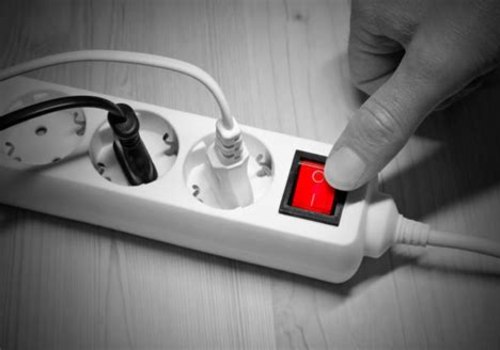
- Are there any downsides to unplugging chargers? The main downside is the inconvenience of having to plug them back in when needed. However, using power strips with switches can make this process easier, allowing you to turn off multiple devices at once.
- What are some common misconceptions about unplugging chargers? One common misconception is that modern chargers do not consume power when not in use.
While many are designed to be more efficient, they still draw some power unless unplugged. Another misconception is that the energy savings are negligible; however, every little bit counts towards reducing your carbon footprint.
- How does this practice fit into broader eco-friendly practices? Unplugging chargers is just one aspect of a larger commitment to sustainable living. It complements other practices such as using energy-efficient appliances, reducing water usage, and recycling.
Conclusion: Small Changes for a Greener Future
In conclusion, the act of unplugging chargers when they are not in use is a small yet impactful step towards achieving a more eco-friendly living.Throughout this article, we have explored how this simple habit can lead to significant energy savings and contribute to a healthier planet.By disconnecting chargers, we not only reduce energy waste but also minimize the carbon footprint associated with electricity generation. This practice helps in:
- Reducing Phantom Load: Many chargers continue to draw power even when devices are not connected, leading to unnecessary energy consumption.
- Lowering Electricity Bills: Unplugging chargers can lead to noticeable savings on monthly energy costs, making it a financially wise decision.
- Extending Device Lifespan: Keeping chargers plugged in can lead to overheating and wear over time, potentially shortening their lifespan.
So, take a moment today to unplug those chargers and contribute to a more sustainable world.