In today's fast-paced world, electronics have become an integral part of our daily lives, from smartphones and laptops to televisions and gaming consoles. However, many people are unaware of the significant energy consumption associated with these devices, even when they are not actively in use. This phenomenon, often referred to as energy waste, occurs when electronics remain plugged in or in standby mode, consuming power without serving any purpose. Understanding this hidden energy drain is crucial for anyone looking to adopt a more eco-friendly living approach. The average household can waste a substantial amount of energy through idle electronics.
According to various studies, devices left on or in standby mode can account for up to 10% of a home's total energy usage. This not only leads to higher electricity bills but also contributes to unnecessary carbon emissions, exacerbating environmental issues. By recognizing the impact of our electronic habits, we can take meaningful steps toward reducing our overall energy footprint. Turning off electronics when they are not in use is a simple yet effective strategy for conserving energy. It not only helps in lowering utility costs but also promotes a sustainable lifestyle that benefits the planet.
As we delve deeper into the topic of energy conservation, it becomes clear that small changes in our daily routines can lead to significant improvements in our energy efficiency and environmental impact.
The Hidden Costs of Standby Power
Many households are unaware of the hidden costs associated with standby power, often referred to as phantom load. This term describes the energy consumed by electronic devices when they are turned off but still plugged in. Common devices such as televisions, computers, and chargers can draw power even in their idle state, leading to unnecessary energy waste.According to the U.S. Department of Energy, standby power can account for up to 10% of a household's total energy consumption.This means that even when you think your devices are not using energy, they might still be contributing to your electricity bill. Over time, these small amounts can add up significantly, resulting in higher monthly expenses.To illustrate the impact of phantom load, consider the following:
- A typical television can consume around 10 watts when in standby mode.
- Chargers left plugged in can waste about 0.1 to 0.5 watts each.
- Home entertainment systems may use up to 20 watts when not actively in use.
- Unplugging devices: Disconnect electronics when not in use.
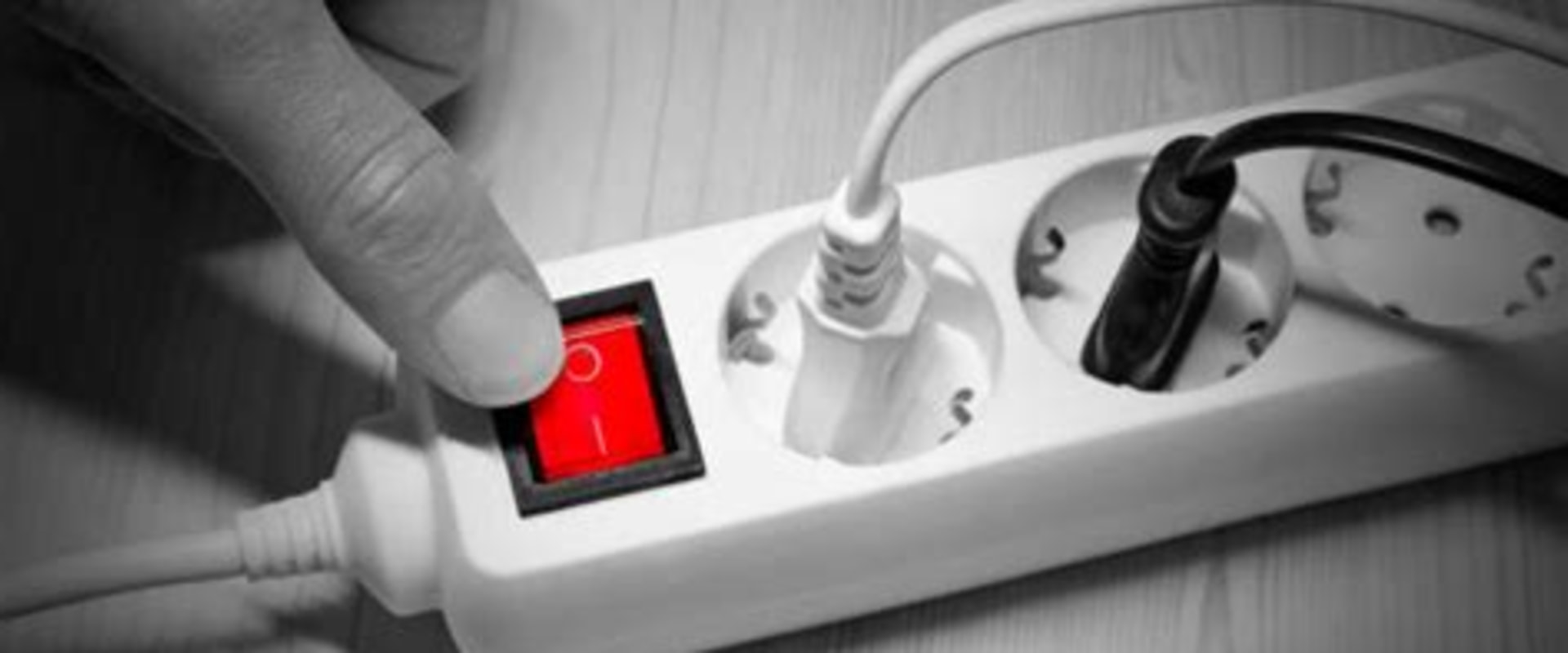
- Using power strips: Turn off multiple devices at once with a single switch.
- Investing in smart plugs: These allow you to control power remotely and schedule on/off times.
How Turning Off Electronics Saves Energy
Turning off electronics when they are not in use is a simple yet effective way to promote energy efficiency and contribute to eco-friendly living. Many people underestimate the amount of energy consumed by devices that remain plugged in, even when they are turned off.This phenomenon, known as phantom load or vampire power, can account for up to 10% of a household's energy consumption.According to the U.S. Department of Energy, if every American household unplugged their unused electronics, it could save over $1 billion in energy costs annually. This statistic highlights the significant impact that small changes can make when it comes to energy savings.Here are some key benefits of turning off electronics:
- Reduced Energy Bills: By simply turning off devices like televisions, computers, and chargers when not in use, households can see a noticeable decrease in their monthly energy bills.
- Extended Lifespan of Devices: Electronics that are frequently left on can experience wear and tear more quickly. Turning them off can help prolong their lifespan.
- Lower Carbon Footprint: Reducing energy consumption directly correlates with lower greenhouse gas emissions, making it a vital practice for those looking to live more sustainably.
Consider using power strips with switches to make it even easier to cut power to multiple devices at once. By adopting these eco-friendly practices, you not only save money but also contribute positively to the environment.
Practical Tips for Reducing Energy Consumption
Reducing energy consumption is a crucial step towards eco-friendly living. One of the simplest yet most effective ways to achieve this is by turning off electronics when they are not in use. Here are some practical tips to help you adopt this habit:- Create a Routine: Establish a daily routine that includes turning off all electronics at a specific time.
For instance, make it a habit to switch off your devices before bedtime.
- Use Power Strips: Plug multiple devices into a power strip and turn it off when not in use. This prevents phantom energy drain from devices that remain in standby mode.
- Set Timers: Utilize timers or smart plugs to automatically turn off devices after a certain period. This is especially useful for items like lights and chargers.
- Unplug Chargers: Many chargers continue to draw power even when not connected to a device. Unplug them when they are not in use to save energy.
- Educate Family Members: Encourage everyone in your household to participate in energy-saving practices.
Discuss the importance of turning off electronics and how it contributes to home energy efficiency.
The Environmental Impact of Energy Conservation
Conserving energy by turning off electronics when they are not in use has significant environmental impacts that contribute to a more sustainable future. One of the most immediate benefits is the reduction of our overall carbon footprint. When we power down devices, we decrease the demand for electricity, which is often generated from fossil fuels.This reduction in energy consumption leads to lower greenhouse gas emissions, helping to combat climate change.Moreover, energy conservation plays a crucial role in promoting sustainable living. By being mindful of our energy usage, we not only save on utility bills but also contribute to a healthier planet. Here are some key points to consider:
- Reduced Resource Extraction: Less energy consumption means less need for extracting and processing natural resources, which can lead to habitat destruction and biodiversity loss.
- Lower Air Pollution: Decreasing reliance on fossil fuels reduces air pollutants that can harm human health and the environment.
- Encouragement of Renewable Energy: As demand for electricity decreases, there is a greater opportunity for renewable energy sources to thrive, promoting a shift towards cleaner energy solutions.
This collective effort can lead to significant changes at local and national levels, influencing policies and practices that prioritize sustainability.Ultimately, the act of turning off electronics when they are not in use is a simple yet powerful step towards reducing our environmental impact. By making this small change in our daily routines, we can collectively work towards a more sustainable future for generations to come.
Frequently Asked Questions About Energy Savings and Electronics
When it comes to energy savings, many people have questions about how turning off electronics can make a difference. Here are some frequently asked questions that can help clarify the impact of our electronic habits on energy consumption.- Does turning off electronics really save energy?
Yes, turning off electronics when they are not in use can significantly reduce energy consumption. Many devices continue to draw power even when they are in standby mode, which is often referred to as "phantom load" or "vampire power." By completely shutting them down, you eliminate this unnecessary energy use. - What types of electronics should I turn off?
It’s beneficial to turn off all non-essential electronics, including televisions, computers, gaming consoles, and chargers.Additionally, unplugging devices that are not frequently used can further enhance your eco-friendly living efforts.
- How much energy can I save by turning off my devices?
The amount of energy saved varies by device and usage patterns. However, studies suggest that households can save anywhere from 5% to 10% on their electricity bills by simply turning off devices when not in use. - Are there any exceptions to turning off electronics?
Some devices, like routers or security systems, may need to remain on for functionality. In such cases, consider using smart power strips that can help manage energy use more effectively. - What are some tips for remembering to turn off electronics?
Setting reminders on your phone or using timers can help. Additionally, creating a routine where you check and turn off devices at the end of the day can instill good habits.
Conclusion: Embracing Eco-Friendly Living Through Simple Actions
In conclusion, embracing eco-friendly living is not just a trend; it is a necessary shift towards a more sustainable future.Throughout this article, we have explored various ways in which simple actions, such as turning off electronics when they are not in use, can significantly contribute to energy conservation and reduce our carbon footprint.By making a conscious effort to power down devices, we can:
- Reduce energy consumption: Many electronics continue to draw power even when turned off, a phenomenon known as phantom load. By unplugging devices or using power strips, we can eliminate this waste.
- Lower utility bills: Turning off electronics not only conserves energy but also leads to lower electricity costs. This financial incentive can motivate households to adopt more sustainable practices.
- Minimize environmental impact: Every kilowatt-hour saved contributes to less demand on power plants, which often rely on fossil fuels. This reduction helps decrease greenhouse gas emissions and combat climate change.
Each time we turn off an electronic device, we are making a choice that aligns with our commitment to sustainable living. It is essential to recognize that every effort counts, no matter how minor it may seem.As we move forward, let us remember that adopting an eco-friendly lifestyle is a journey that begins with simple steps. By incorporating practices like turning off electronics into our daily routines, we not only foster a healthier planet but also inspire others to join in this vital movement towards sustainability.In summary, the path to energy conservation and eco-friendly living is paved with conscious choices. Let us embrace these changes and work together for a greener future.