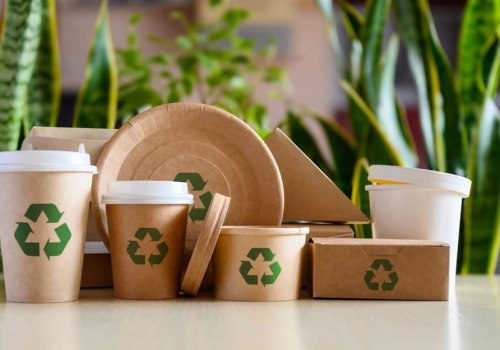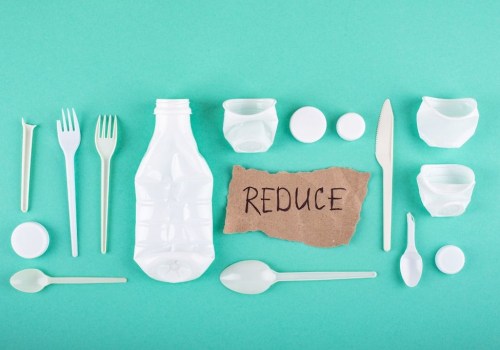
Every day, millions of people indulge in their favorite coffee, often opting for the convenience of disposable coffee cups. However, this seemingly harmless choice contributes significantly to environmental degradation. In fact, it is estimated that over 16 billion disposable coffee cups are used each year in the United States alone. These cups, typically made from a combination of paper and plastic, are not easily recyclable due to their polyethylene lining, which makes them resistant to moisture but also to recycling processes. The environmental impact of these cups extends beyond just waste statistics.
When disposed of improperly, they contribute to pollution in our landfills and oceans. A staggering number of these cups end up in landfills, where they can take up to 30 years to decompose. During this time, they release harmful chemicals into the soil and waterways, further exacerbating the pollution crisis. Moreover, the production of disposable cups requires significant resources, including trees for paper and fossil fuels for plastic production, leading to deforestation and increased carbon emissions. Understanding the full scope of the environmental impact caused by disposable coffee cups is crucial for anyone interested in eco-friendly living.
By recognizing the scale of this issue, we can better appreciate the necessity of transitioning to more sustainable alternatives like reusable coffee cups. This shift not only reduces waste but also promotes a culture of environmental responsibility that can inspire others to make similar changes in their daily habits.
How Reusable Coffee Cups Reduce Waste
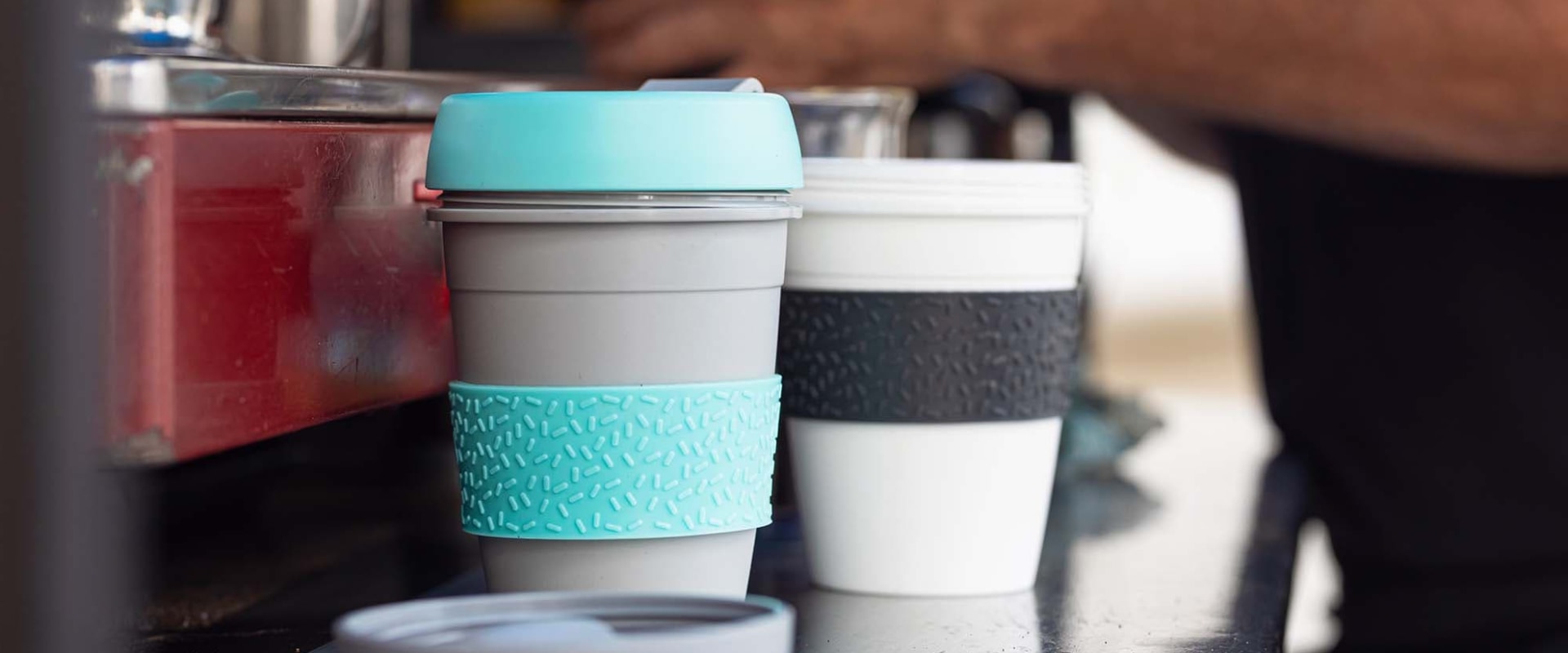
Using reusable coffee cups is a simple yet impactful way to contribute to eco-friendly living and significantly reduce waste. Every year, billions of disposable coffee cups are used, most of which end up in landfills. In fact, statistics show that approximately 16 billion disposable coffee cups are thrown away annually in the United States alone.This staggering number highlights the urgent need for sustainable alternatives.When you choose a reusable coffee cup, you are not just making a personal choice; you are actively participating in a larger movement towards sustainability. Each reusable cup can replace hundreds, if not thousands, of single-use cups over its lifetime. This shift not only decreases the volume of waste sent to landfills but also reduces the demand for resources needed to produce disposable cups.
- Landfill Impact: Disposable coffee cups are often made from materials that take years to decompose. By using a reusable option, you help minimize the amount of waste that contributes to overflowing landfills.
- Resource Conservation: The production of single-use cups requires significant amounts of water, trees, and energy.
Reusable cups help conserve these vital resources.
- Carbon Footprint Reduction: Manufacturing disposable cups generates greenhouse gases. By opting for a reusable cup, you can lower your carbon footprint and promote a healthier planet.
The Role of Reusable Coffee Cups in Lowering Carbon Footprint
In the quest for eco-friendly living, the adoption of reusable coffee cups plays a significant role in reducing an individual's carbon footprint.These cups are often made from materials that are not easily recyclable, contributing to environmental degradation and increased greenhouse gas emissions.By switching to a reusable coffee cup, individuals can make a tangible impact on the environment. Here are some key ways in which these cups help lower carbon emissions:
- Reduction in Waste: Using a reusable cup significantly decreases the amount of waste generated. A single reusable cup can replace hundreds of disposable ones over its lifetime, leading to less trash in landfills.
- Lower Resource Consumption: The production of disposable cups requires substantial resources, including trees, water, and energy. By using a reusable option, we reduce the demand for these resources.
- Decreased Carbon Emissions: The manufacturing process for disposable cups emits carbon dioxide and other greenhouse gases.
Reusable cups, on the other hand, have a much lower carbon footprint over their lifespan.
Choosing the Right Reusable Coffee Cup: Materials and Features
When it comes to embracing eco-friendly living, selecting the right reusable coffee cup is crucial. The materials and features of your cup can significantly impact its sustainability and usability.Here’s a guide to help you make an informed choice.
Materials Matter
Reusable coffee cups come in various materials, each with its own environmental footprint:- Stainless Steel: Durable and long-lasting, stainless steel cups are resistant to rust and can keep your beverages hot or cold for extended periods. They are also 100% recyclable.
- Bamboo: Made from a renewable resource, bamboo cups are biodegradable and often come with silicone lids. However, ensure that the bamboo is sourced sustainably.
- Glass: Glass cups are non-toxic and do not retain flavors or odors. They are recyclable but can be fragile, so consider a protective sleeve.
- Silicone: Flexible and lightweight, silicone cups are great for travel.
They are dishwasher safe and can withstand high temperatures, but check for food-grade quality.
Essential Features
Beyond materials, certain features can enhance your experience:- Insulation: Look for double-walled designs that provide better insulation, keeping your drinks at the desired temperature longer.
- Lid Design: A spill-proof lid is essential for on-the-go lifestyles. Some lids even have a built-in straw or a one-handed opening mechanism for convenience.
- Size and Capacity: Choose a size that fits your daily coffee consumption. A larger capacity may be beneficial for those who prefer multiple refills.
Incentives for Using Reusable Coffee Cups: Discounts and Programs
As more consumers embrace eco-friendly living, coffee shops are stepping up to offer incentives that encourage the use of reusable coffee cups. These programs not only promote sustainability but also provide tangible benefits for customers.Many coffee shops have implemented discount programs for customers who bring their own cups.For instance, a common practice is to offer a 10-20% discount on beverages when customers use a reusable cup. This not only rewards eco-conscious choices but also helps reduce the overall waste generated by single-use cups.
Popular Coffee Shop Programs
- Starbucks: Offers a $0.10 discount for customers who bring their own cup, along with a commitment to reduce waste.
- Dunkin': Provides a 10-cent discount for reusable cups and has launched initiatives to promote sustainability.
- Coffee Bean & Tea Leaf: Offers a 20% discount for using reusable containers, encouraging more customers to participate.
By participating in these initiatives, coffee shops can enhance their brand image while contributing positively to the environment.In conclusion, the incentives offered by coffee shops for using reusable coffee cups serve as an effective way to promote eco-friendly living. By taking advantage of discounts and loyalty programs, consumers can enjoy their favorite beverages while making a positive impact on the planet.
Common Misconceptions About Reusable Coffee Cups
When considering the switch to reusable coffee cups, many people harbor misconceptions that can deter them from making an eco-friendly choice. Addressing these concerns is crucial for promoting sustainable habits.Hygiene Concerns
One of the most prevalent myths is that reusable coffee cups are less hygienic than disposable ones. In reality, reusable cups can be just as clean, if not cleaner, than their single-use counterparts.Most reusable cups are made from materials like stainless steel or BPA-free plastic, which are easy to clean and maintain. Regular washing with soap and water or placing them in the dishwasher ensures they remain sanitary. Additionally, disposable cups often have a plastic lining that can harbor bacteria, making them less hygienic than many believe.
Cost-Effectiveness
Another common misconception is that reusable coffee cups are too expensive. While the initial investment may seem higher than buying a single-use cup, the long-term savings are significant.Many coffee shops offer discounts for customers who bring their own cups, which can quickly offset the purchase price. Over time, using a reusable cup can save you money while also reducing waste.
Environmental Impact
Some individuals think that the environmental impact of producing reusable cups outweighs the benefits. However, studies show that it takes only a few uses of a reusable cup to offset its environmental footprint compared to disposable cups. By choosing to use a reusable coffee cup, you contribute to eco-friendly living and help reduce the staggering number of disposable cups that end up in landfills each year. In conclusion, dispelling these misconceptions about reusable coffee cups is essential for encouraging more people to adopt sustainable practices.By understanding the hygiene standards, cost-effectiveness, and positive environmental impact of these cups, individuals can make informed choices that benefit both their wallets and the planet.
Real-Life Examples: Communities Embracing Reusable Coffee Cups
Across the globe, numerous communities are stepping up to embrace reusable coffee cups, showcasing how collective action can lead to significant environmental benefits. Here are some inspiring case studies and initiatives that highlight the positive impact of these programs.1.The City of San Francisco
San Francisco has long been a leader in sustainability efforts. In 2019, the city launched a Reusable Cup Program aimed at reducing single-use cup waste. Participating coffee shops offer discounts to customers who bring their own cups, encouraging a culture of reuse.As a result, the program has diverted over 1 million disposable cups from landfills in just two years.
2.The UK’s KeepCup Initiative
The KeepCup initiative in the United Kingdom has gained traction as a community-driven effort to promote reusable coffee cups. Local cafes partner with KeepCup to provide discounts and incentives for customers who choose to use their own cups. This initiative not only reduces waste but also fosters a sense of community among environmentally conscious consumers.3.Australia’s Reusable Cup Challenge
In Australia, the Reusable Cup Challenge encourages individuals and businesses to commit to using reusable cups for a month. Participants share their experiences on social media, creating a ripple effect that inspires others to join the movement.This challenge has seen thousands of participants, significantly raising awareness about the environmental impact of disposable cups.
4.Local Universities Leading by Example
Many universities across the United States have implemented their own reusable cup programs. For instance, University X offers students a free reusable cup upon enrollment, along with discounts at campus cafes for using it. This initiative not only reduces waste but also educates students about sustainable practices from an early age.These examples illustrate that when communities come together to promote eco-friendly living, they can create lasting change. By adopting reusable coffee cup programs, cities and organizations not only reduce waste but also inspire individuals to make more sustainable choices in their daily lives.Conclusion: The Collective Impact of Choosing Reusable Coffee Cups
In conclusion, the choice to use a reusable coffee cup is not just a personal preference; it is a significant step towards eco-friendly living that can lead to substantial environmental benefits.By opting for a reusable cup, you are actively participating in the reduction of single-use plastics that contribute to pollution and landfill overflow.Throughout this article, we explored how the production and disposal of disposable coffee cups result in considerable waste and resource depletion. Here are some key takeaways:
- Reduction of Waste: Each reusable coffee cup can replace hundreds, if not thousands, of disposable cups over its lifetime.
- Conservation of Resources: Using a reusable cup helps conserve the raw materials and energy required to produce single-use cups.
- Lower Carbon Footprint: The manufacturing process for disposable cups emits greenhouse gases; by choosing reusables, you help mitigate this impact.
- Encouragement of Sustainable Practices: Your choice can inspire others to adopt similar habits, creating a ripple effect in your community.
Join the movement for eco-friendly living!
Share your commitment on social media, encourage friends and family to make the switch, and support businesses that promote sustainable practices.
Together, we can make a difference.